
AI Photography for Dropship Streetwear & Puffer Jackets · Case Study
WUPT
French streetwear label. AW25 winter puffer collection, shot with MODA AI.
The full AW25 drop, start to finish.
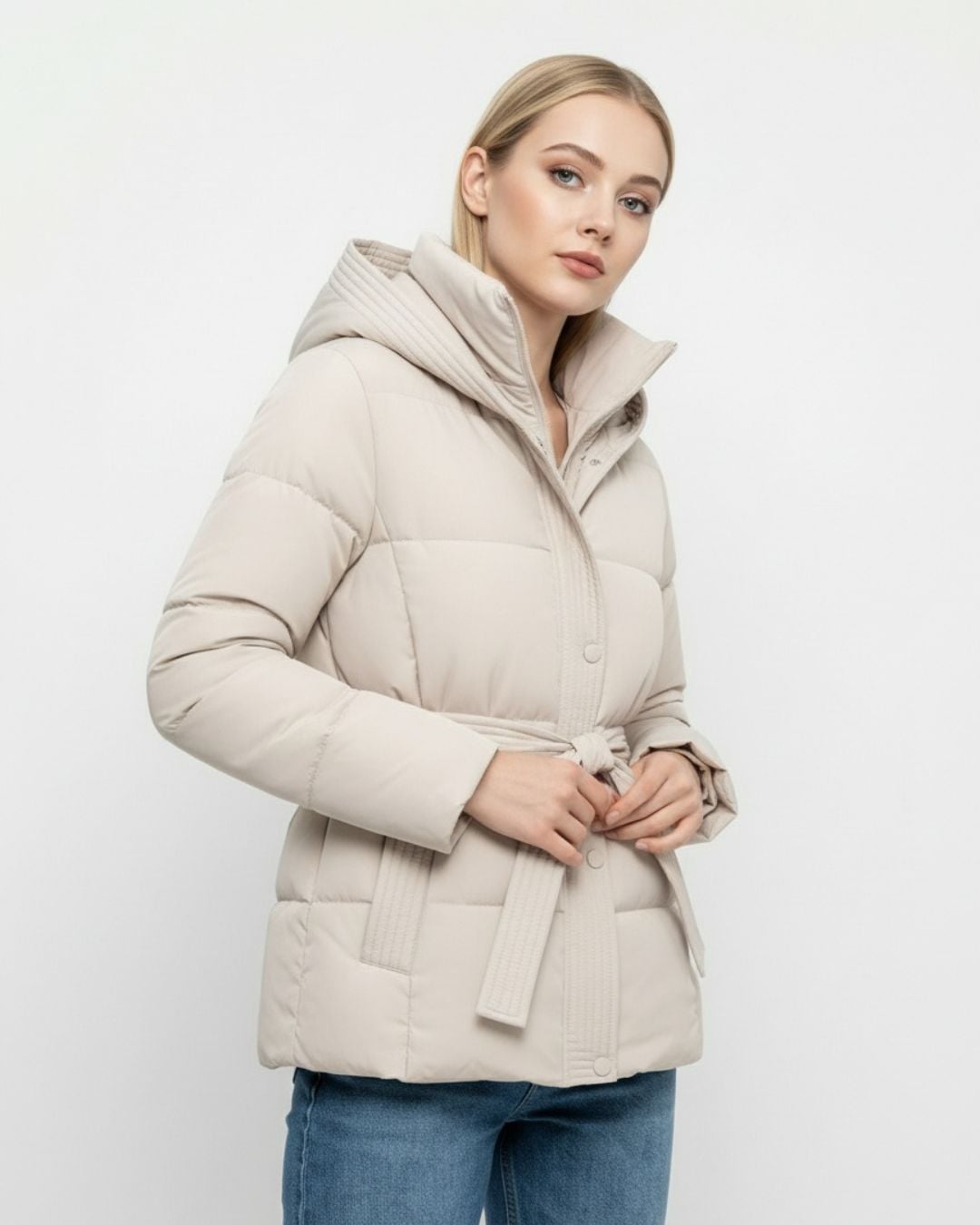
WUPT builds their brand around curated winter outerwear. For AW25, they sourced puffer jackets from multiple suppliers -- and got exactly what you would expect: flat lays, mannequin shots, and inconsistent lighting from every direction. Not the on-model editorial content their streetwear audience expects.
Every jacket had a completely different visual language. A catalog that looked like a marketplace, not a brand.
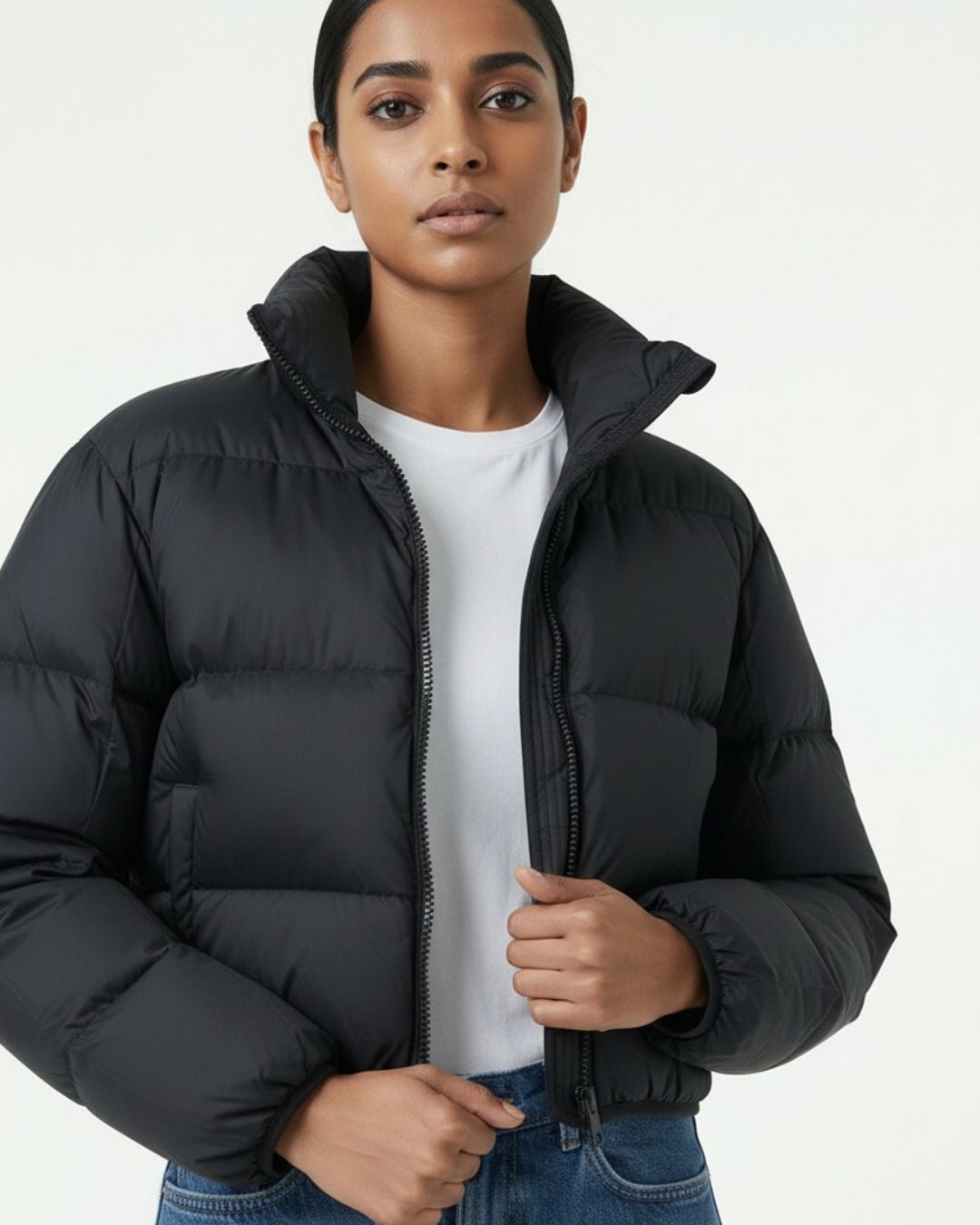
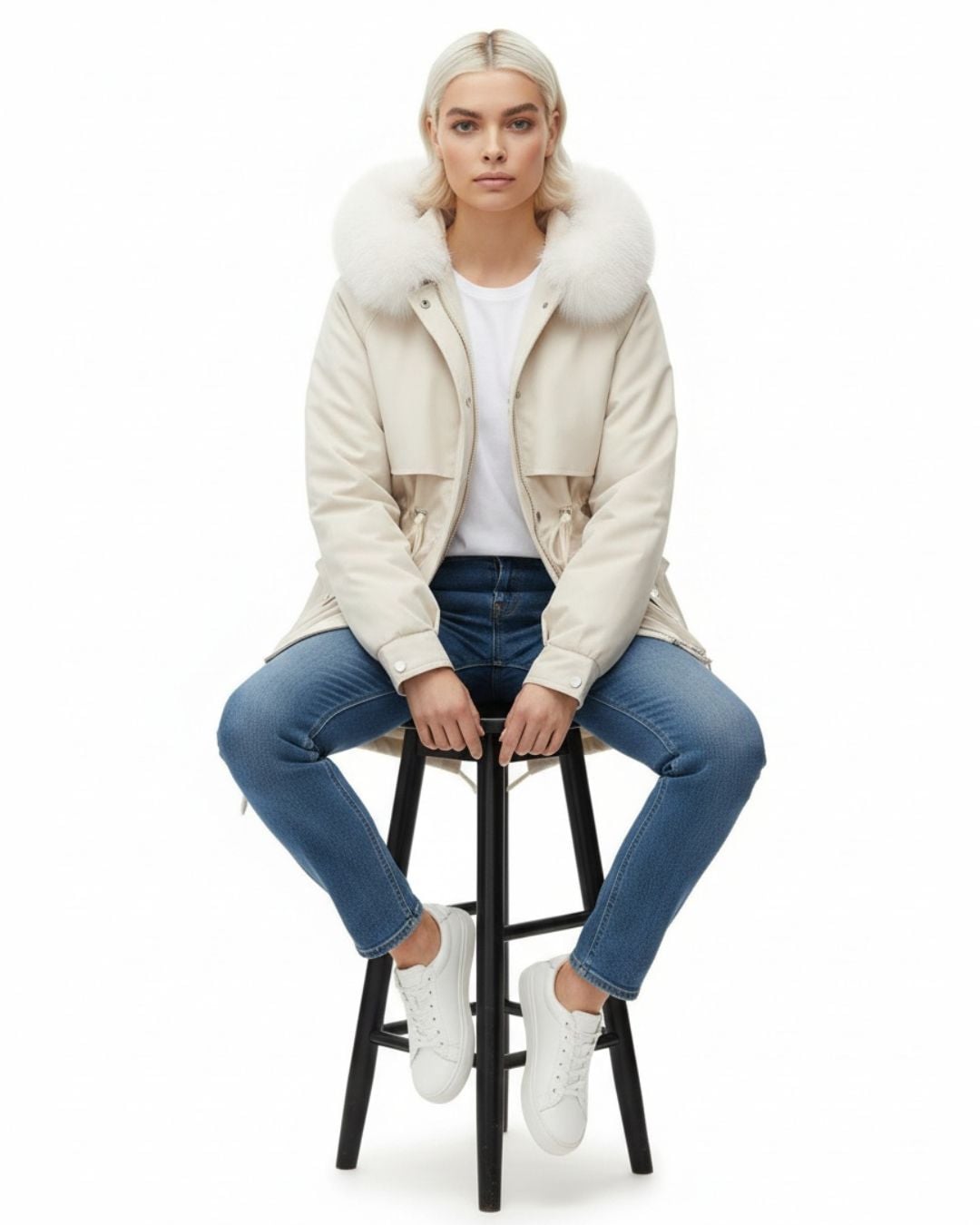
MODA AI turned those supplier files into something WUPT could actually put on their store. They chose models that matched their target demographic -- young, streetwear-oriented -- and applied clean white studio backgrounds across every shot.
Different models across the collection keeps things feeling fresh. The consistent backdrop is what ties it together. No photographer, no studio day, no weeks of coordination with suppliers who were never going to reshoot anyway.
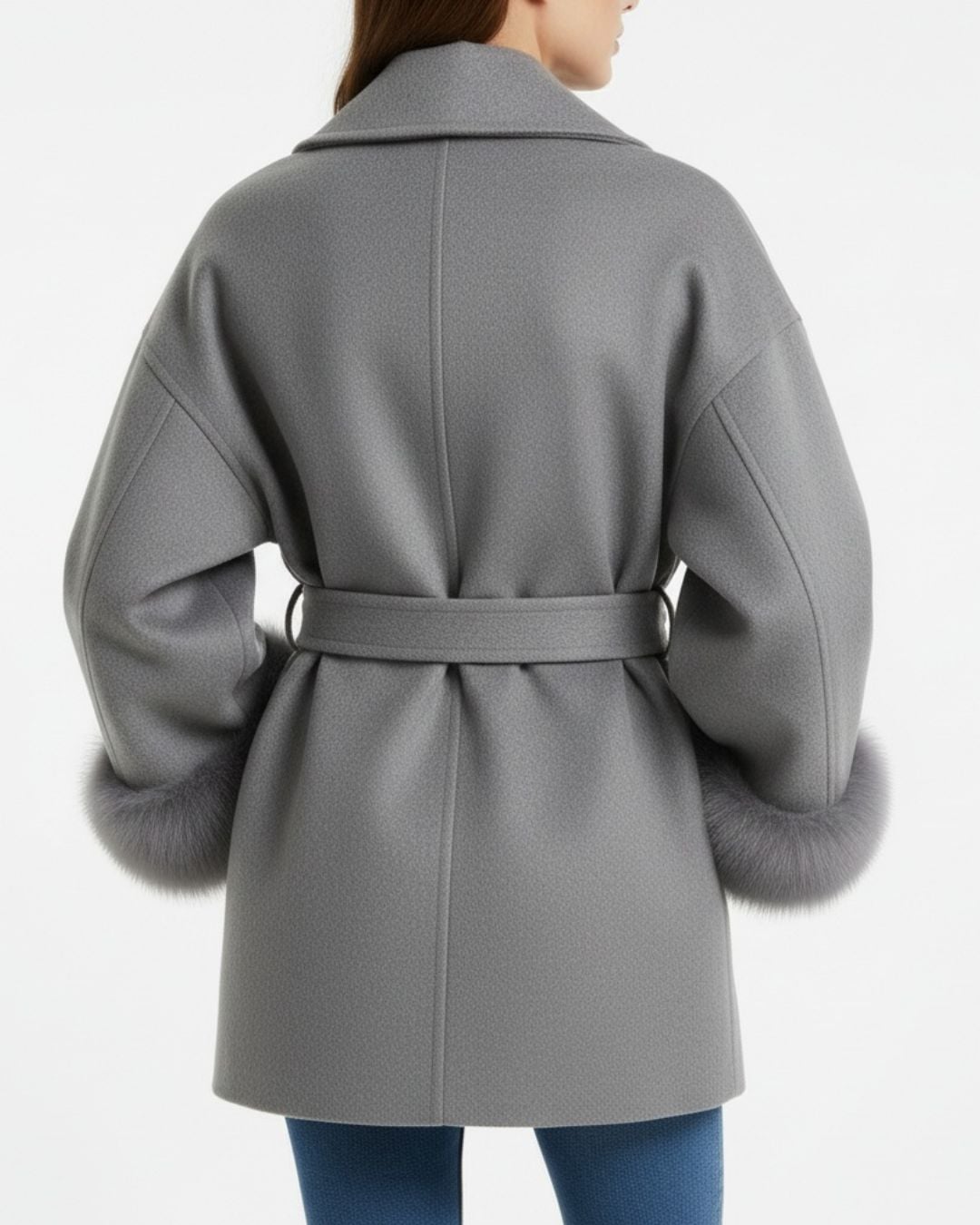
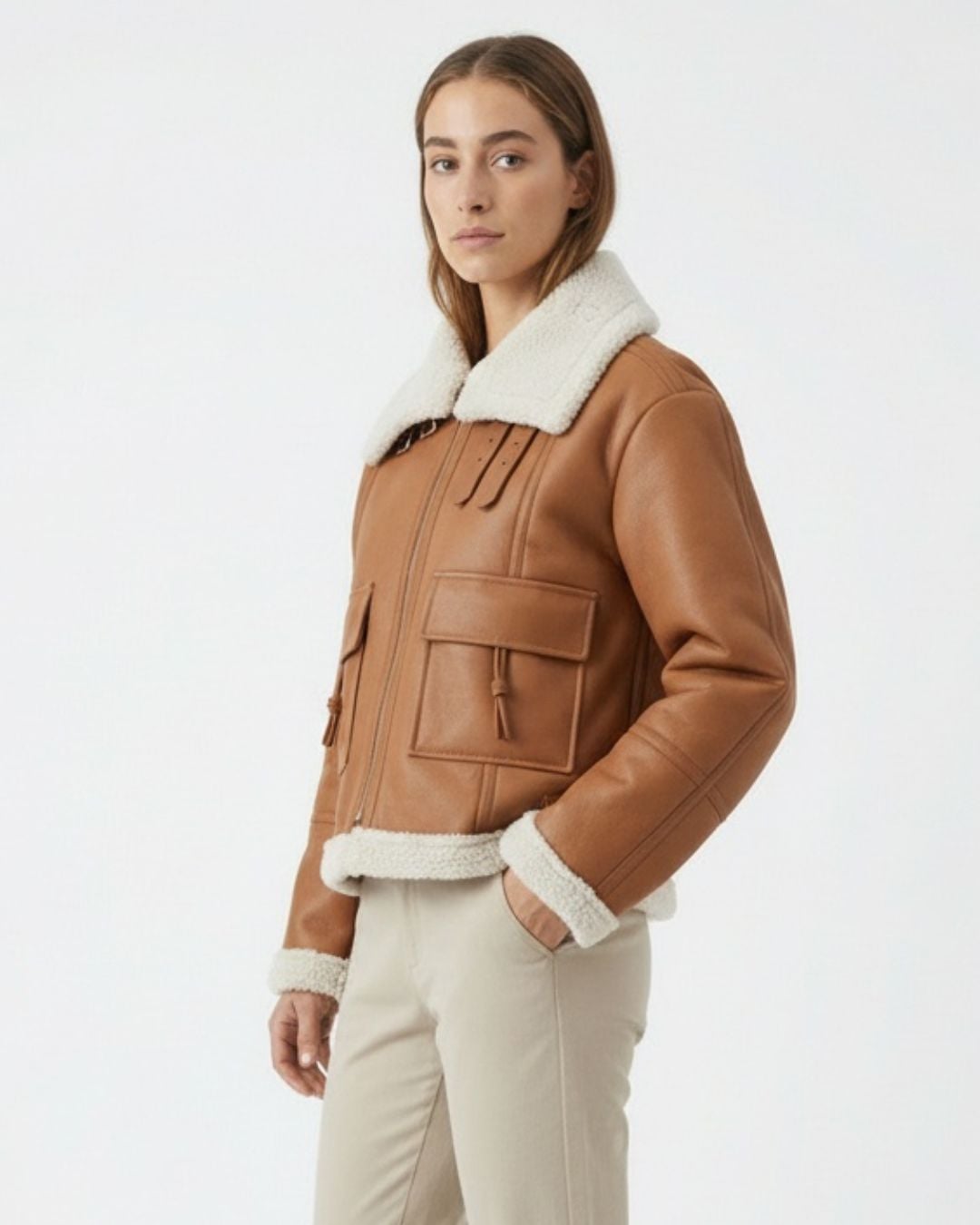
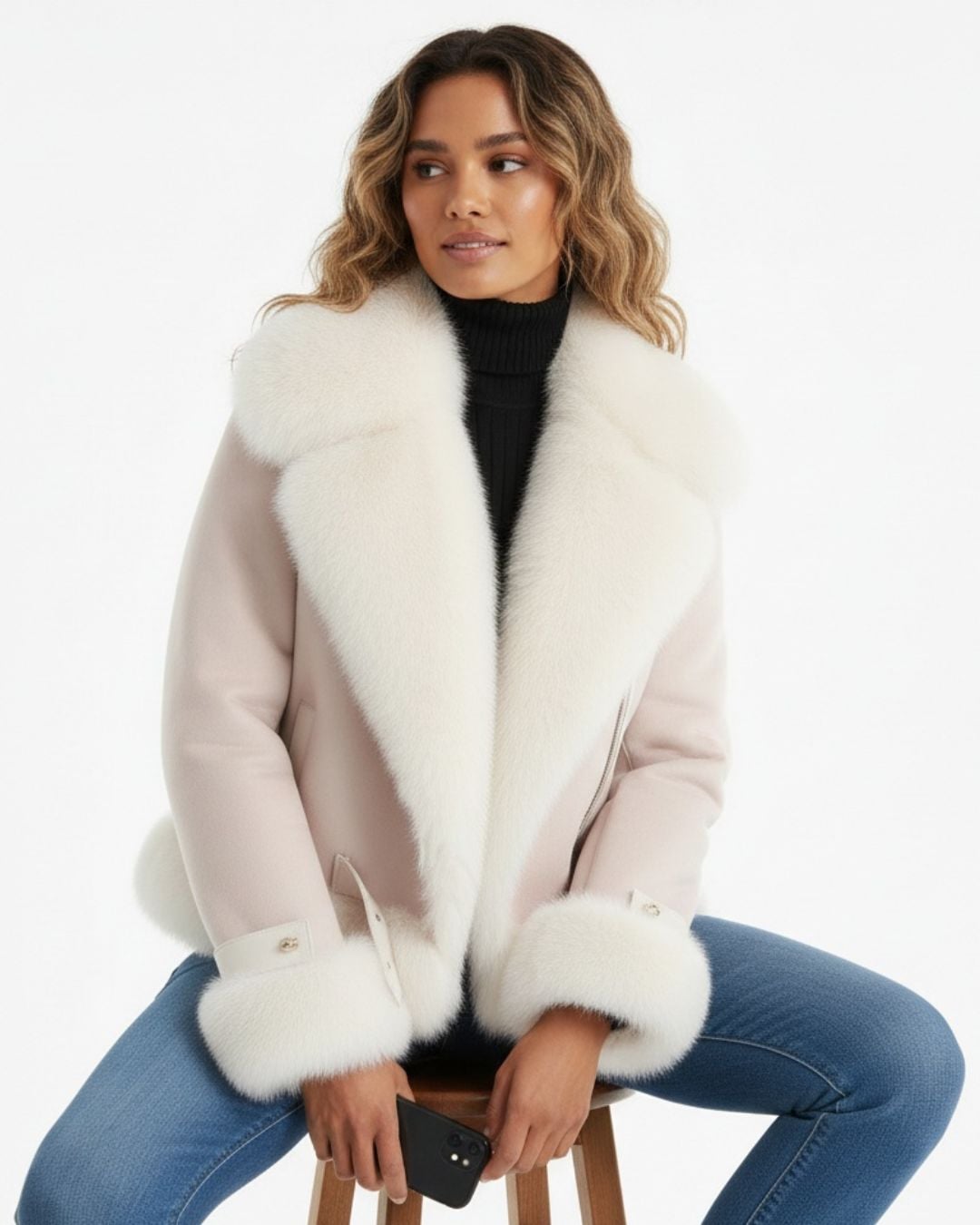
The AW25 puffer collection -- charcoal, black vest, tan, navy, forest green, burgundy -- looking like it came from one studio shoot. These are lookbook samples from the larger catalog WUPT built with MODA AI. Supplier photos in, store-ready editorial out.
More case studies
See how other brands use MODA AI to transform their product photography.
Future Homme
New York men’s lounge and sleepwear in warm light
Read case study →Modest Valoria
Gulf modest wear with full coverage held every frame
Read case study →Bully
Türkiye wholesale summer line with one attitude
Read case study →Mekko
Scandi-inspired kids pajamas with color-matched backgrounds
Read case study →Kraftiez
Colombian designer dresses on one consistent model
Read case study →Bubber Couture
Luxury Indian ethnic menswear with editorial consistency
Read case study →Blended Boutiques
Plus-size inclusive fashion across diverse backgrounds
Read case study →Bōdie Surf Co
Gulf Coast surf apparel summer catalog with print accuracy
Read case study →Godzeal
Urban American Christian streetwear in studio light
Read case study →Maison Blu
Marrakech-mood resortwear from a single background ref
Read case study →Black Bananas
Dutch kids streetwear with calm framing and angles
Read case study →Turn supplier photos into your brand.
Like WUPT, use MODA AI to transform inconsistent supplier product photos into a cohesive, professional catalog. No studio, no photographer, no delays.