Catalog Photography · Winterwear
Winter Clothing Product Photography: Texture, Drape and Weight
In winter the fabric is the product. The shopper cannot touch the knit, feel the weight of the coat or see how the fur moves, so the photographs have to do it for them.
October 1, 2026 · 12 min read
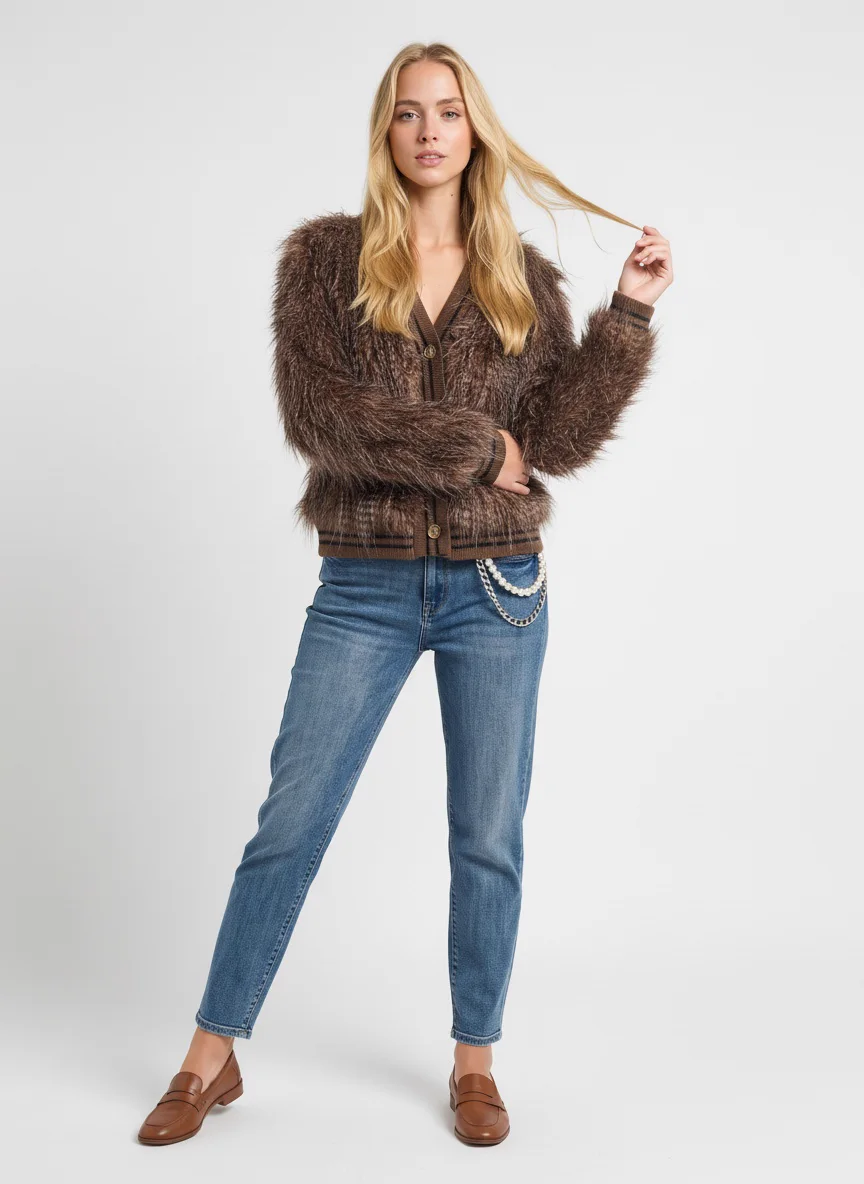
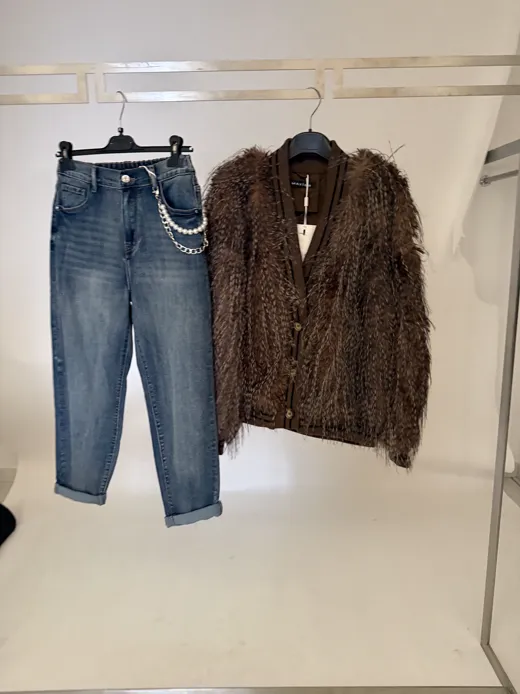
A shaggy faux-fur jacket. Everything that makes it worth buying is in the pile, and none of it can be touched through a screen.
A summer tee sells on colour and cut. A winter coat sells on what it is made of: how thick the wool is, how the leather catches the light, how the fur moves when you turn, whether the knit looks warm or thin. That is what the customer is paying more for, and it is the one thing a product page cannot hand them.
When the photographs get the fabric wrong, the customer finds out at the door. Online purchases are already returned more often than in-store ones. The National Retail Federation and Happy Returns estimated that 17.6 percent of online sales in 2024 were returned, about $247 billion of merchandise. A sweater that looked heavier than it is, or a coat that looked softer, is how a lot of that happens.
This guide works through eight winter fabrics, from faux fur to quilting, and shows what each one needs from the photographs. Every set on the page was produced with MODA AI.
One
Why winter is the texture season
Three qualities decide whether a winter piece feels right when it arrives, and a photograph has to carry all three.
Texture is the surface: the pile of a fur, the stitch of a knit, the grain of a leather. Drape, or how the fabric falls, is what it does under its own weight on a body: whether a knit hangs soft or holds its shape, whether a coat skims or stands away. Weight is the one shoppers care about most and see least. A heavy wool coat and a light one can look identical on a hanger. On a moving body they never do.
In winter the customer is paying for the fabric. The photographs have to show what it feels like, how it falls and how heavy it is.
Two
Three frames on the body
No single photograph shows texture, drape and weight at once. Each needs a different frame, and all of them work best on a person, because a winter garment only reveals how it behaves when it is worn.
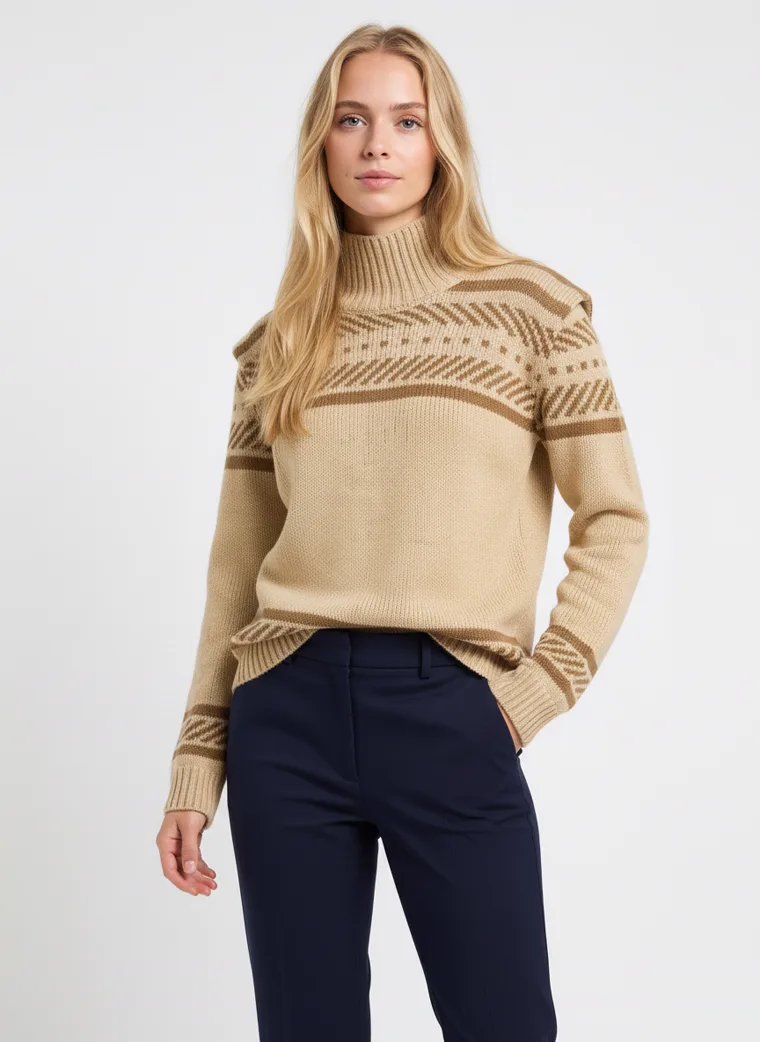
Close enough to read the stitch and the pattern, still on a person.
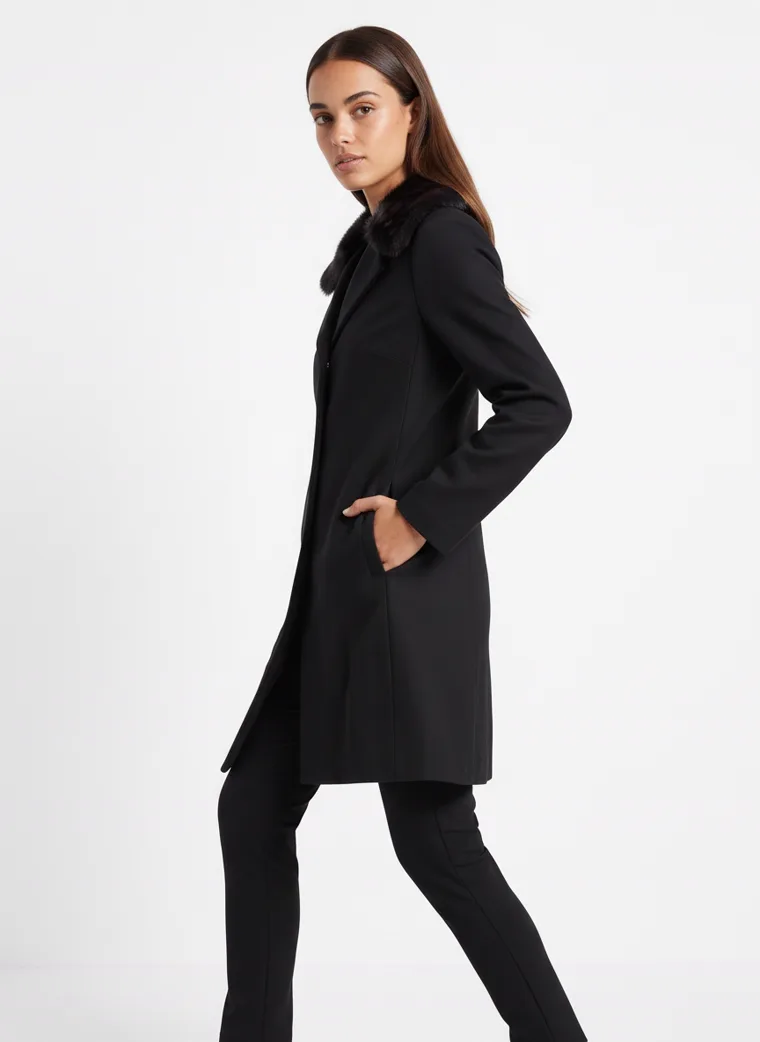
How the fabric falls from the shoulder to the hem.
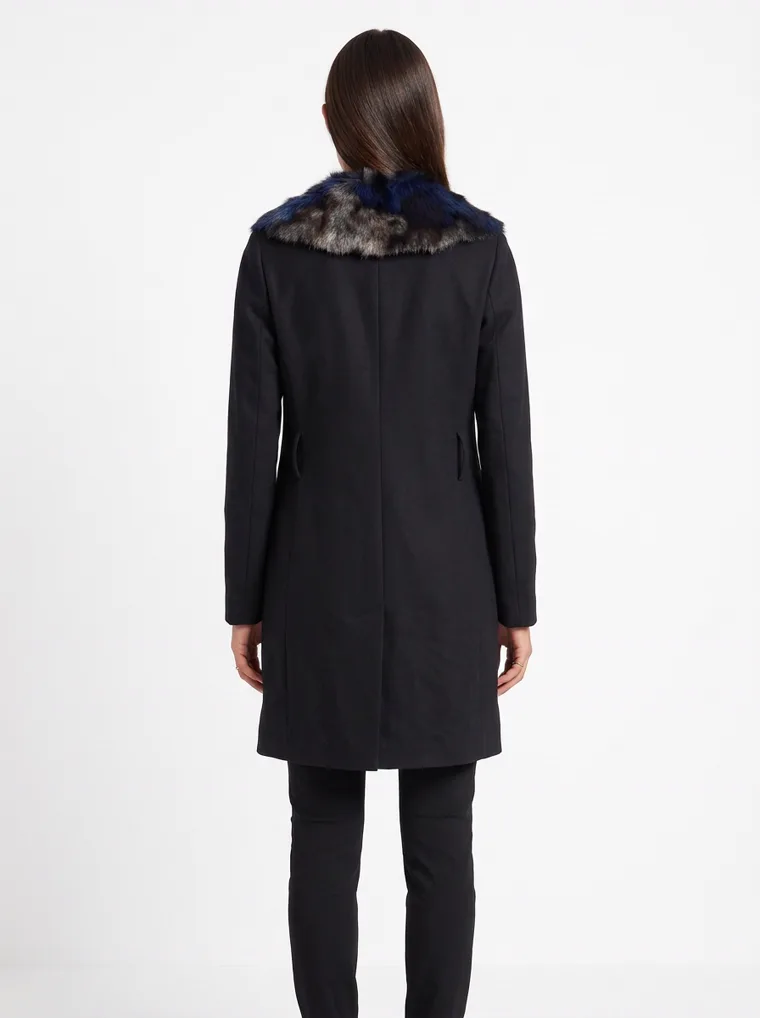
Collars, seams and everything a front view hides.
Most winter listings have the full-length front and little else. The waist-up frame does the job of a fabric swatch, but on a body, at the scale the shopper will wear it. The back view answers the construction questions a front never can. And the fourth quality, weight, gets its own section below, because it only shows when the model moves.
Three
Fabric by fabric
Each winter fabric has one thing that sells it and one way photography usually gets it wrong. Here are eight, each as it would sit on a product page: a lead frame and a rail of four, which includes a flat lay where the piece has one. Tap the small Start square on any lead to see the photo the seller started from.
Faux fur: pile, loft and movement
Fur is bought for its pile, the length and direction of the fibres, and for loft, how far it stands off the body. Both flatten in a still, front-on photograph. The fixes are a back view, where the pile reads as a continuous surface, a side view that shows how far it stands off the body, and a moving frame where the fibres swing. A shaggy jacket laid flat collapses into a mat, so this set skips the flat lay altogether.



Knits: four kinds, four different problems
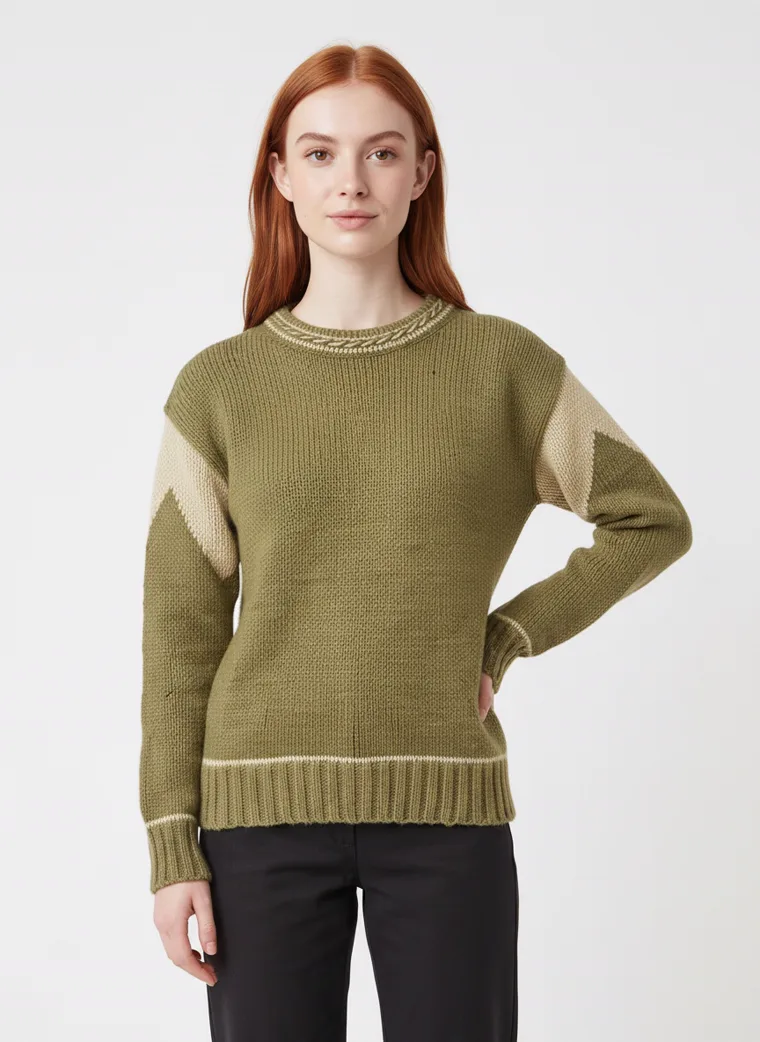
“Knitwear” covers garments that need very different photographs. A marled knit, where two colours are spun into one yarn, shifts in colour across the body, so it needs a full front and back to show the whole gradient. A jacquard or Fair Isle knit sells on its pattern, and the flat lay is what shows its placement. A knit with contrast panels sells on construction: where the panels meet the body and how the seams sit at the shoulder, which the side and back views show. An intarsia knit puts its design in specific places, here down the sleeves, so the frames have to turn the arm to the camera.

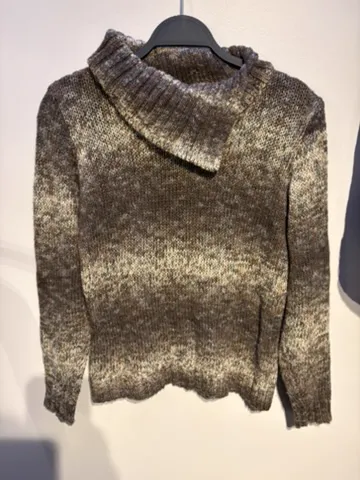


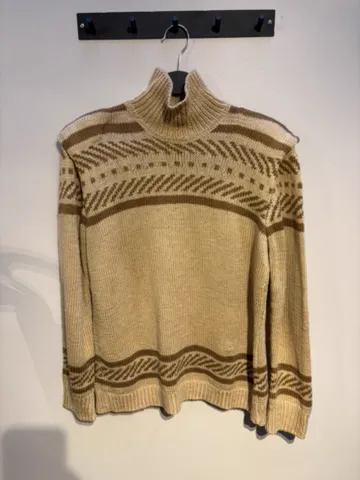


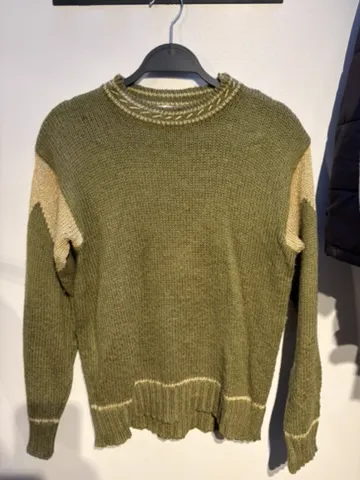


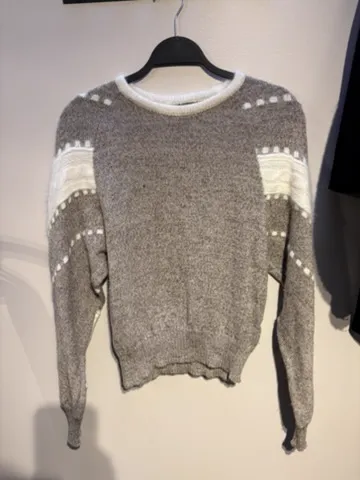


Four knits, four different reasons to buy. The marl needs the full body, the jacquard needs the flat lay, the panels need the side and back, the intarsia needs the sleeve turned to camera.
Leather: sheen, grain and creasing
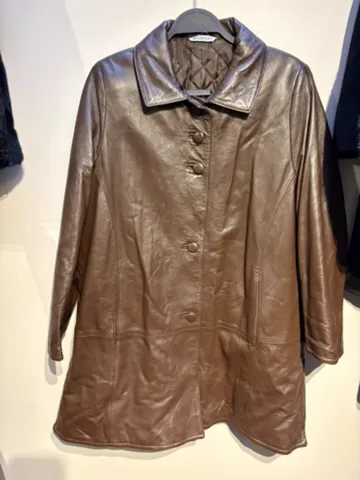
Leather tells the shopper its quality through how it handles light and how it creases. A good hide has a soft sheen and an even grain, and it folds at the elbow and the pocket rather than cracking. A flat front shot shows none of that. A three-quarter frame catches the sheen across the body, a moving frame shows where it creases, and a waist-up frame gets close enough to read the grain.



Wool with a fur collar: two textures in one garment
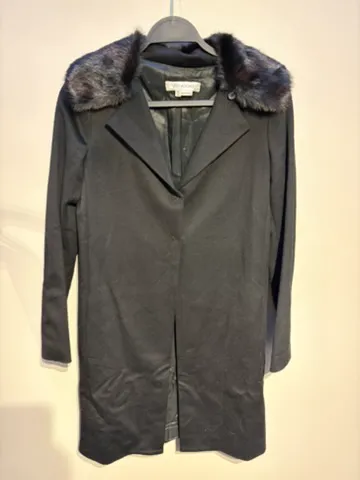
A black wool coat with a faux-fur collar is two products in one photograph. The wool is dense and matte and the fur is soft and textured, and black hides both. The back view matters more than usual here, because it is the angle that shows the collar sitting round the neck. The waist-up three-quarter that leads this set is where the two textures meet, fur against the wool lapel, which is the detail that justifies the price.



Quilting: loft and channel shape
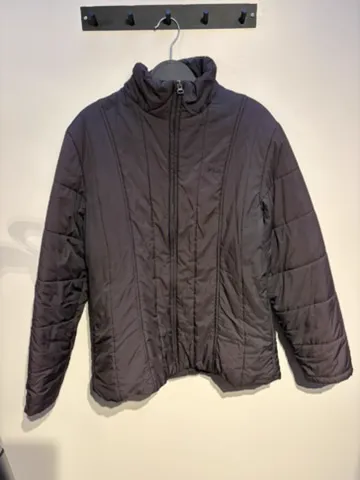
A puffer is sold on warmth, and warmth shows as loft, how full each quilted channel is. Front-on and in flat light, the channels flatten into lines. A three-quarter angle lets the light fall across them so each one reads as a raised section, and a waist-up frame shows the channel width and the stitching between them, which is how a shopper judges whether it is a light layer or a proper winter jacket.



Texture does not need a macro lens. A frame that is close enough for the fabric to fill most of the image, but still on the body, shows the surface the way the shopper will actually see it worn.
Rib, stitch and panel seams.
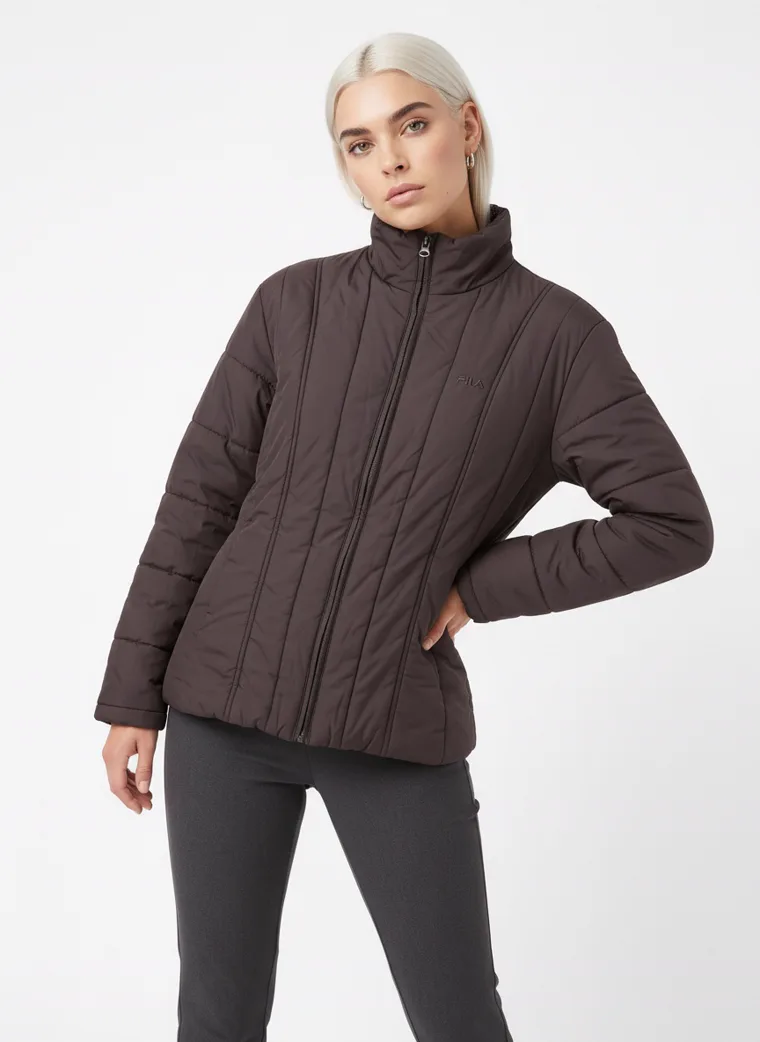
Quilted channels, catching the light.
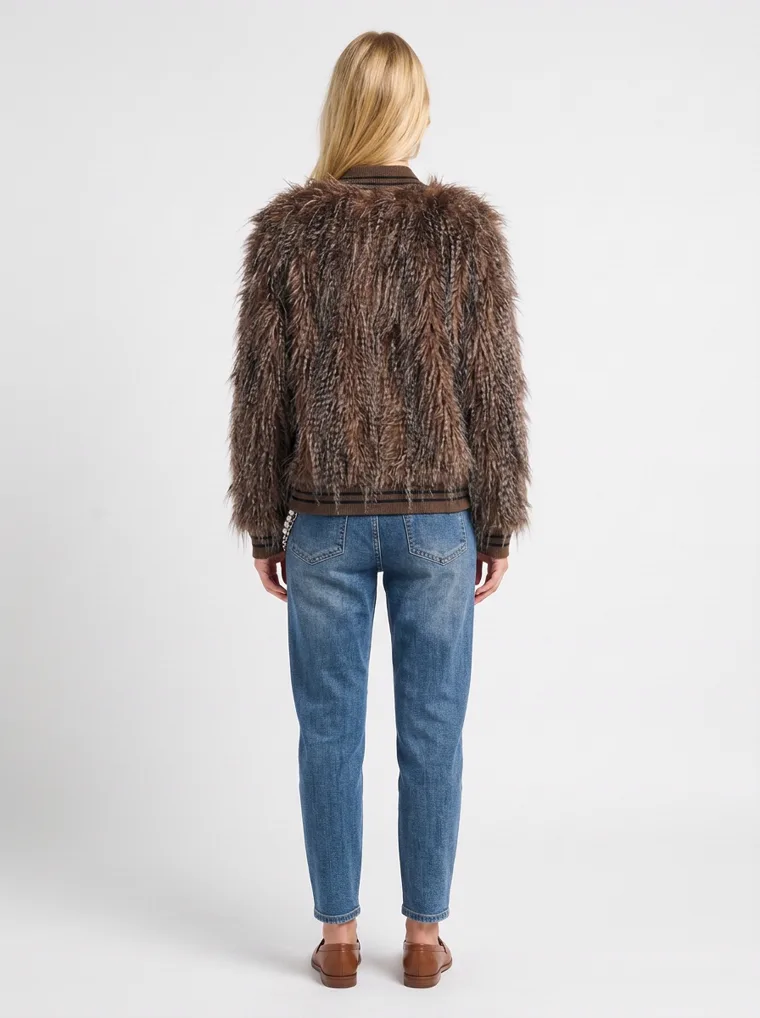
Fur pile, from behind.
Every winter fabric has one quality that sells it. Find it, and give it a frame of its own.
Four
What a hanger hides
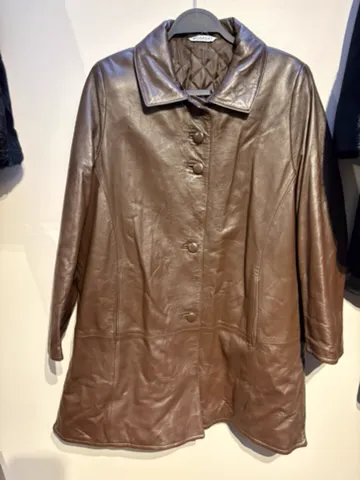
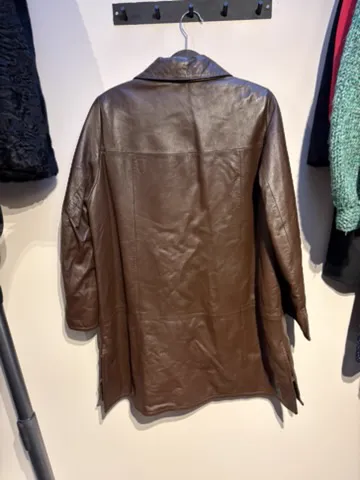
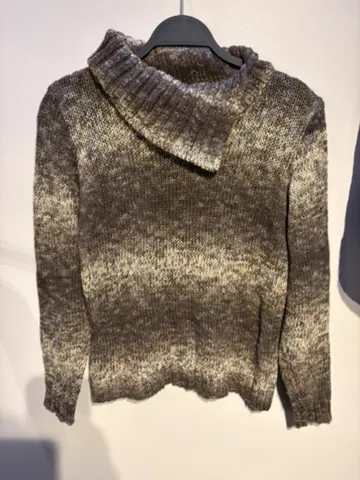
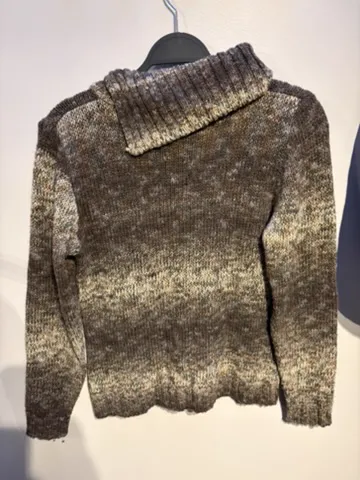
Every set on this page started as a phone photo of the garment on a hanger, against a shop wall or on a rail. That is how a lot of winter stock gets photographed, and it is the worst way to show fabric. A hanger pulls a knit into a point at each shoulder and lets the body hang straight down, so the drape disappears. A leather coat on a hook shows its colour and nothing about its weight.
Input
Output
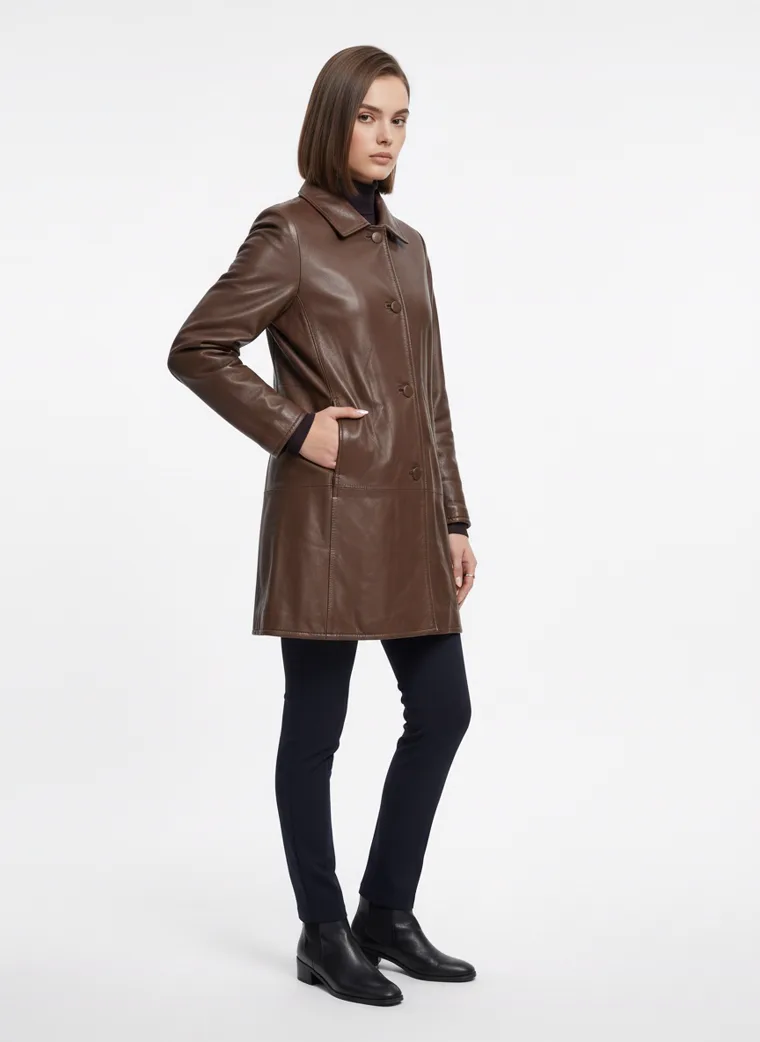
Left, the coat as the seller photographed it: on a hanger, against a wall. Right, the same coat on a body, where the weight and the sheen finally show.
Input
Output
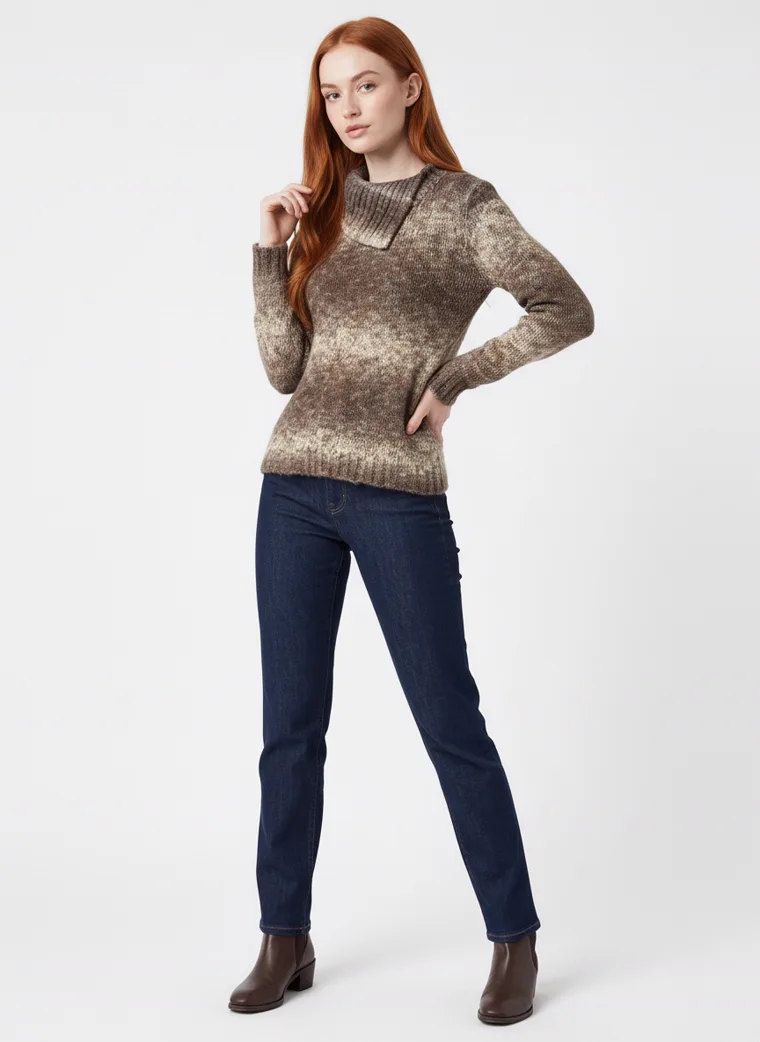
The marled knit on its hanger, pulled into points at the shoulders, and the same knit falling naturally on the model.
More on turning a rail of hanger shots into a full catalog is in Turn Hanger Shots Into a Full On-Model Collection.
Five
Weight shows in movement
Standing still, a heavy coat and a light one can look the same. The moment the model walks, they separate. A heavy wool coat swings late and settles, a leather coat moves as one piece, fur ripples, and quilting holds its shape. A walking frame is the cheapest way to show weight, and most winter listings do not have one.
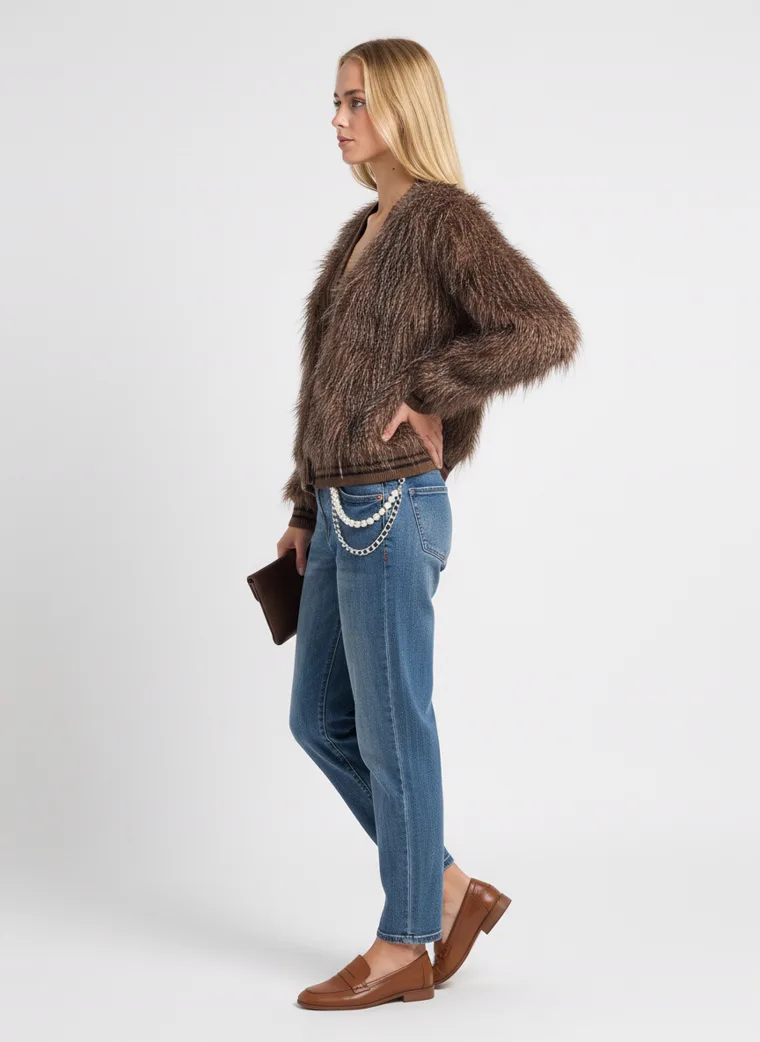
Fur ripples.
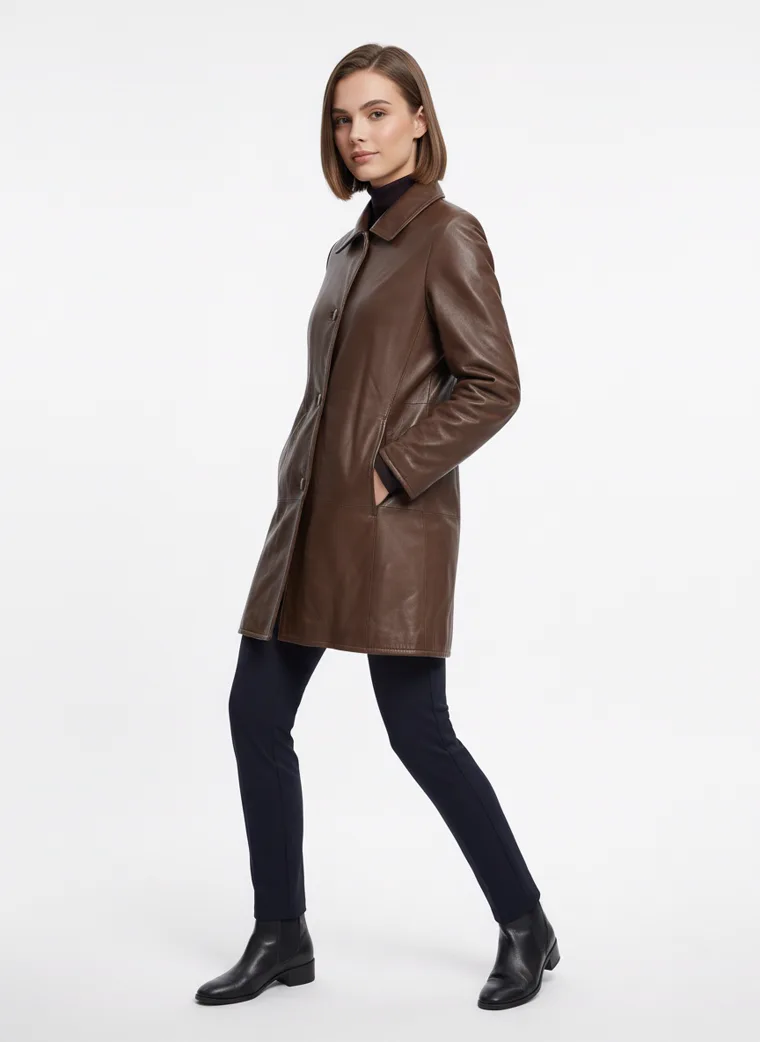
Leather moves as one piece.
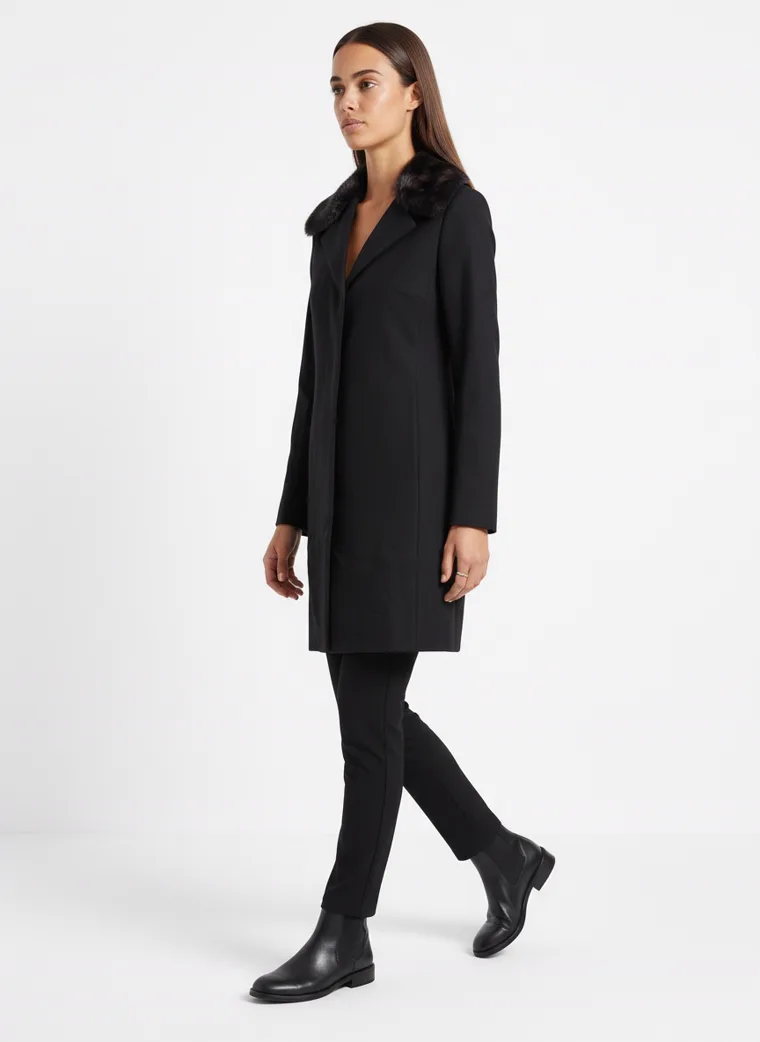
Wool swings, then settles.
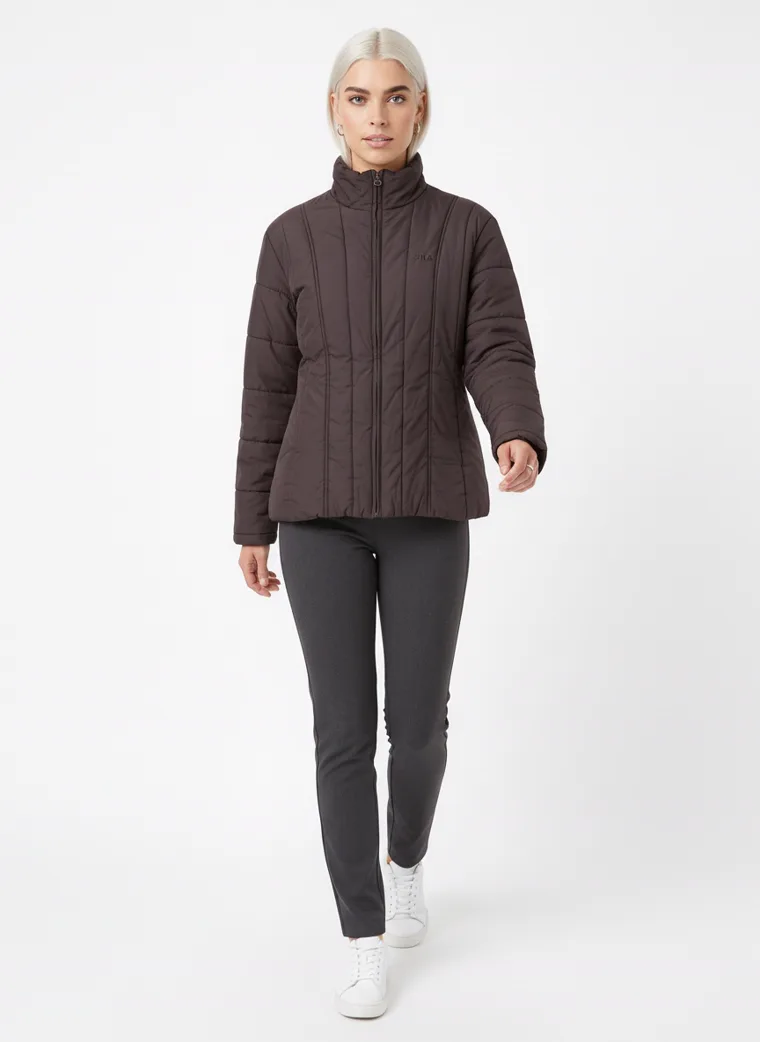
Quilting holds its shape.
Video goes further still, and for outerwear it is worth the extra frame. The case for it is in Video for Fashion Product Pages.
Six
When texture needs 2K
Texture is the first thing to go when a shopper zooms in. Fine knit structure, fur pile and leather grain soften into a smooth surface before anything else in the image does. The sets on this page were generated on MODA’s standard tier, and at product page size the texture holds, as the frame below shows. For a brand whose pieces sell on fine stitch detail, or that wants shoppers zooming deep into the fabric, the 2K tier is the step up. Which resolution suits which job is covered in How to Make the Product Stand Out in Catalog Photos.
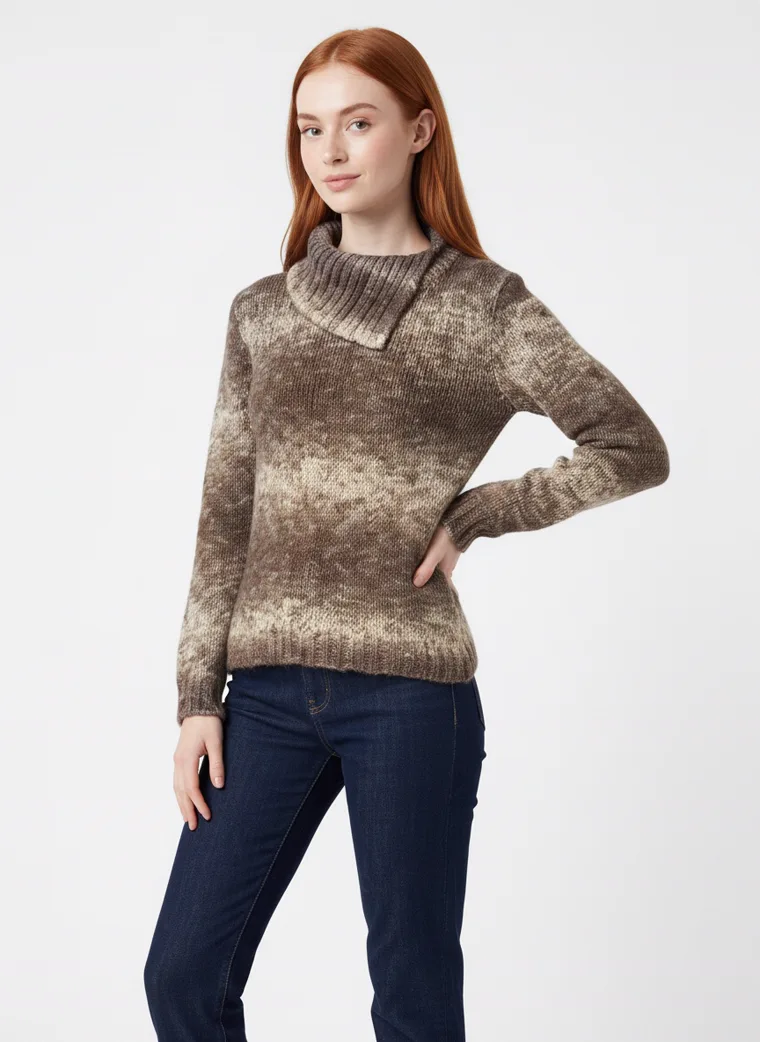
The marled knit at standard resolution. The colour drift in the yarn and the rib at the neck both read on the body.
The checklist
Before a winter piece goes live
01
Every side, on the body.
Front, three-quarter, side and back. If a side is missing, the shopper is guessing about how it falls.
02
The selling quality.
Name the one thing the fabric is bought for, pile, pattern, grain, loft, and make sure a frame shows it clearly.
03
Back view.
Essential for fur, collars and anything with detail behind. It is the frame most winter listings skip.
04
Movement.
At least one walking or turning frame for coats and jackets. It is where weight shows.
05
No hanger as the lead.
A hanger flattens knits and hides drape. Use it as an input, not as the photograph.
06
Angle the light.
Front-on, even light flattens texture. A three-quarter angle lets stitches, channels and grain cast their own shadows.
07
A waist-up frame for texture.
Close enough for the fabric to fill the frame, still on the body. Generate at 2K if shoppers will zoom into the stitch.
A note on these sets
Every set here was produced with MODA AI, each from two plain phone photos of the garment. Each came back as a full catalog set: on-model frames from every side, including a walking frame, and a flat lay where the piece has one. For the season’s wider picture, our Fall/Winter 2026 trend guide covers what is selling.
Frequently asked questions
How do you photograph knitwear for an online store?
On a model, from every side. A waist-up frame close enough to read the stitch, a full-length frame to show how the knit falls and where the hem sits, a side view and a back view. Avoid photographing knits on a hanger as the main image, because a hanger stretches the shoulders and flattens the drape.
How do you show fabric texture in product photos?
Get close on the body. A waist-up frame where the fabric fills most of the image shows the pile of a fur, the stitch of a knit or the grain of a leather in context, on a person, at the scale it will be worn. Light from a three-quarter angle so the surface casts its own shadows, and use a higher resolution if shoppers will zoom in.
Should winter coats be photographed on a model or flat?
Both, for different reasons. A coat on a model shows the shoulder line, the length and how the weight of the fabric makes it hang and swing, which a flat lay cannot. A flat lay shows the full shape, the collar and the construction in one view. Walking frames are worth adding for coats, because movement is where weight shows.
How many photos does a winter coat or sweater need?
Enough to cover front, three-quarter, side, back, a waist-up frame for texture and a moving frame. For most winter pieces that is six to ten images. The back view and the moving frame are the two most often missing, and they answer the questions that cause returns: what it looks like from behind, and how heavy it really is.
What resolution do winter product photos need?
Standard resolution holds at product page size, as the sets in this guide show. Where shoppers zoom in, fine knit structure, fur pile and leather grain are the first details to soften, so pieces that sell on that detail are worth generating at 2K.
Let the fabric sell itself.
Every side of the garment, on the body, from a plain photo. Free to try from the Shopify App Store.
Get Started FreeOr browse the full lookbook