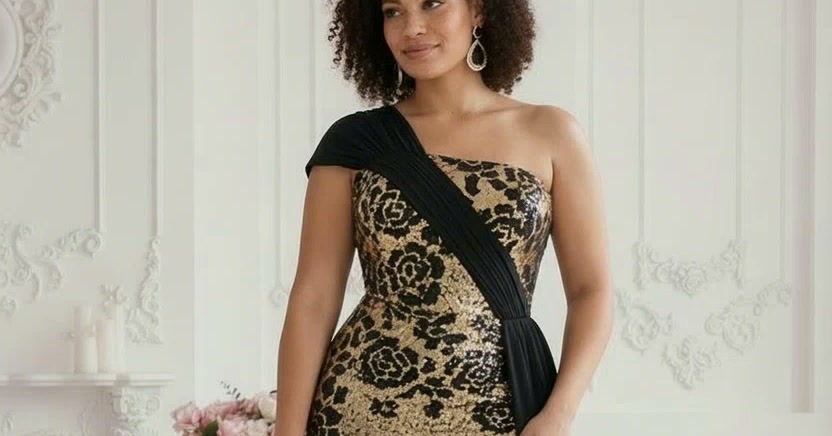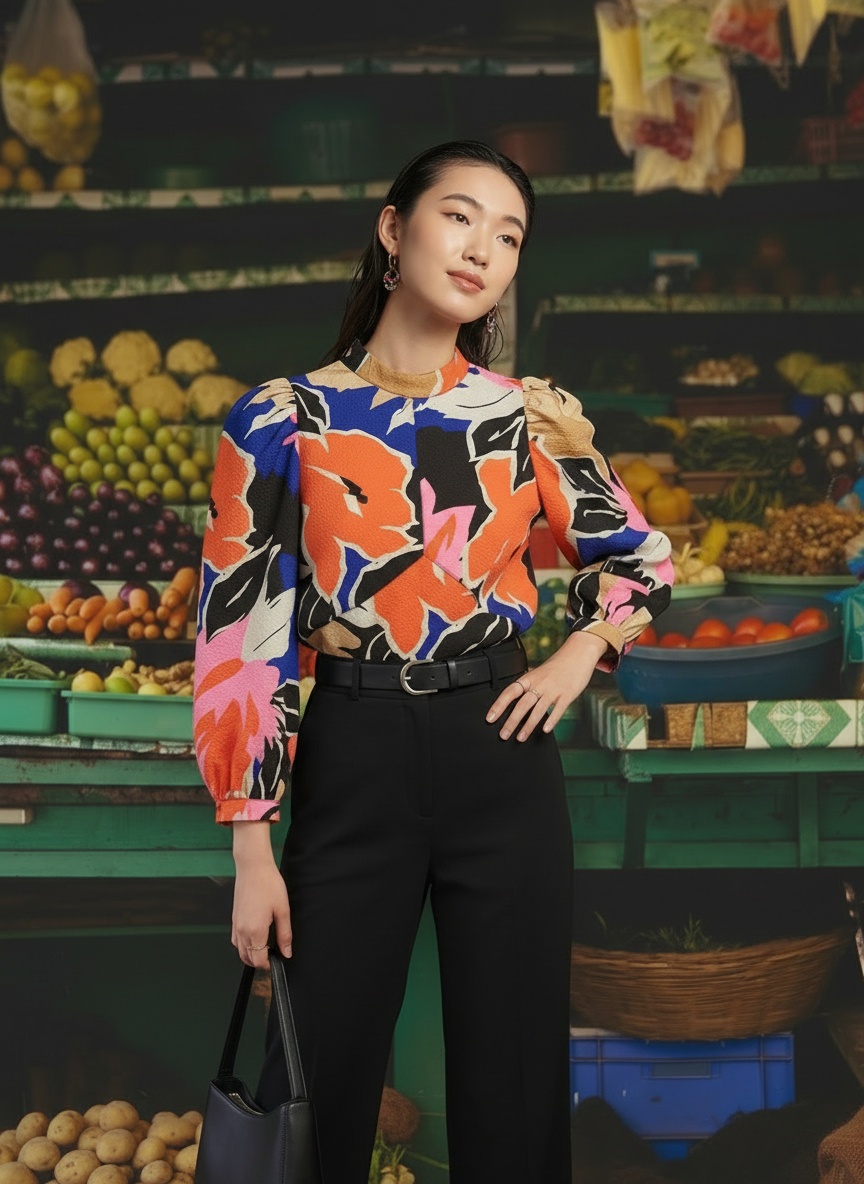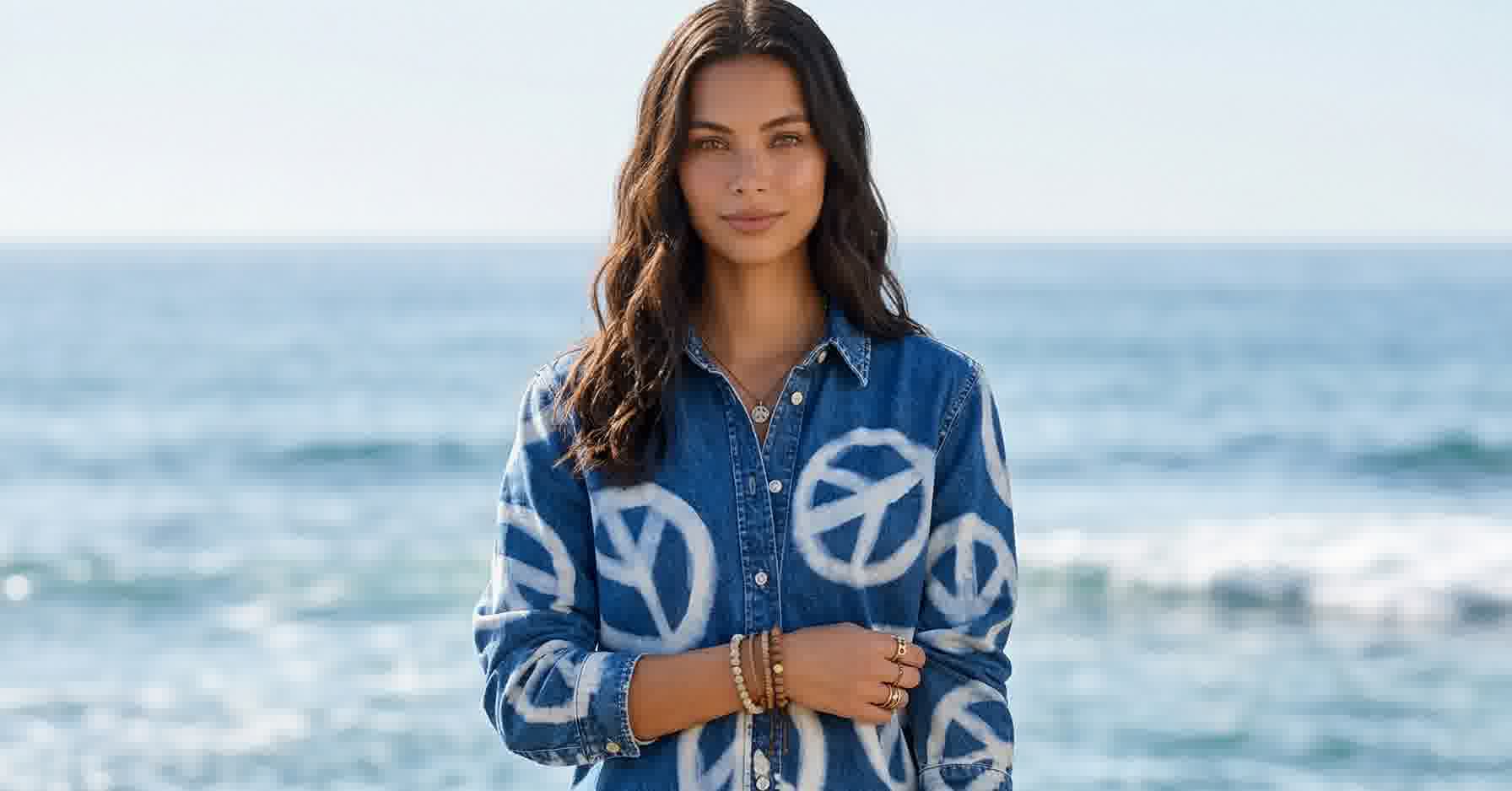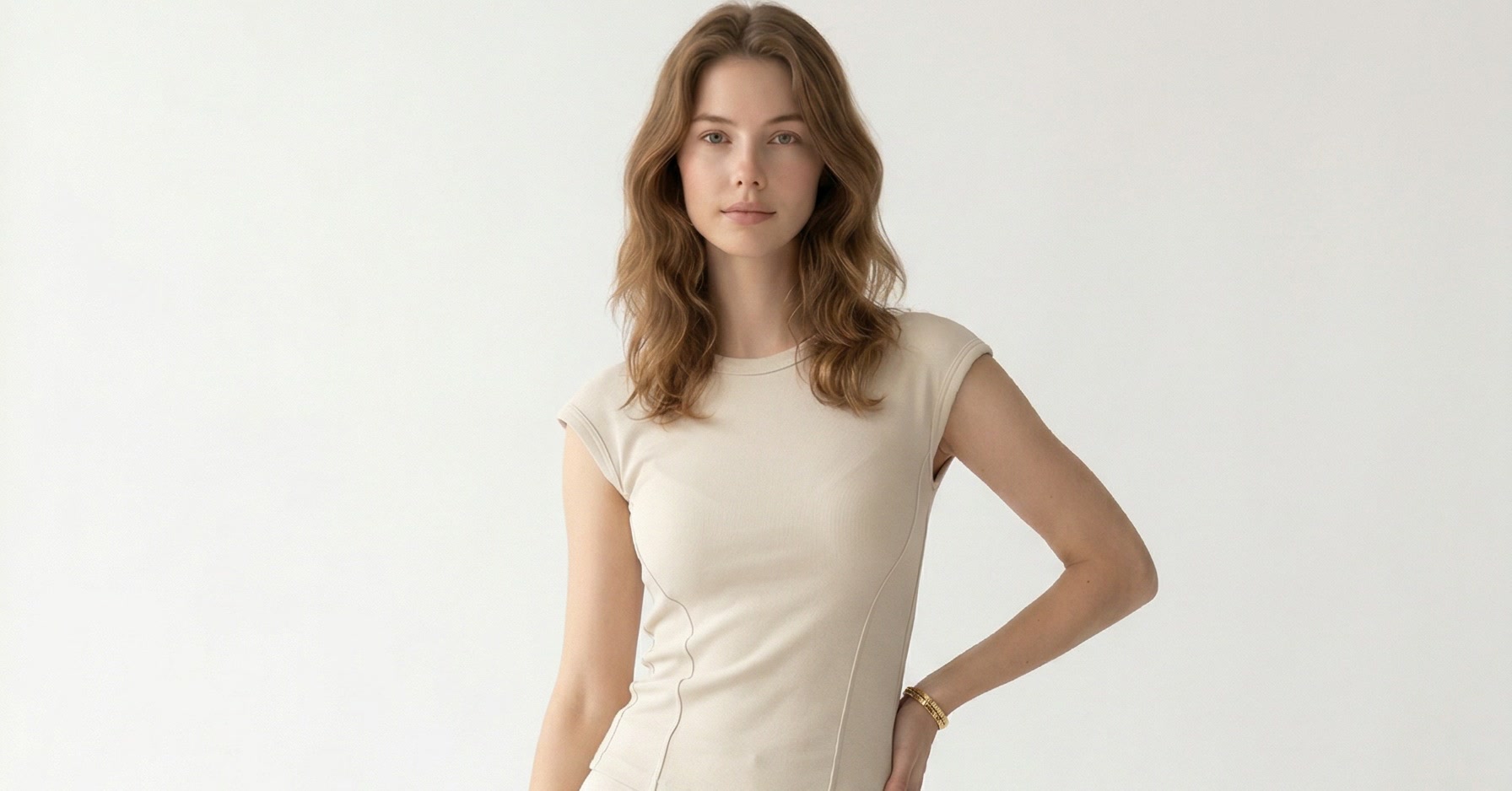
A static photo shows what a garment looks like. Video shows what it does. How the fabric catches light when the model turns. How the hem moves during a step. How the drape shifts from front to side. These are the details that close a sale — and they’re invisible in a still image.
Fashion ecommerce has spent the last decade optimizing product photography. Better lighting, more angles, higher resolution. But the next shift is already underway: video on the product page. The research behind it is hard to ignore.
The Numbers: Why Video Converts
The conversion data around product video is consistent and large. Research from Eko found that 73% of consumers who watch a product video end up purchasing. That’s not a marginal lift — it’s a fundamental shift in purchase behavior.
73%
of video watchers purchase
Consumers who watch product video are 73% more likely to buy — Eko research
Firework’s analysis found that product pages with video experience 85% higher purchase rates compared to static-only pages. Shopify’s own data shows 47% higher engagement on pages that include video content.
And it’s not just about clicks. A study cited by Zebracat found that 57% of consumers say product video makes them more confident in their purchase and less likely to return the item. Video doesn’t just drive the sale — it drives the right sale.
What Shoppers Actually Want
Consumer expectations have shifted. Shopify’s video marketing research found that 78% of people say they’d rather learn about a product by watching a short video than by reading text or scrolling through photos.
78%
prefer short video
of consumers say short video is their preferred way to learn about a product — Shopify
For fashion, this preference is even stronger. A 5-second clip of a dress in motion communicates fabric weight, drape, and fit faster than any combination of static shots. The shopper doesn’t have to imagine how it moves — they can see it.
Menswear in motion — fabric weight, drape, and fit become immediately clear.
The Return Problem Video Solves
Returns are one of the largest hidden costs in fashion ecommerce. The primary reason? The product didn’t look like the shopper expected. Static images, no matter how well-lit, can only communicate so much about how a garment actually fits and falls.
Shopify’s research found that explainer and product videos can reduce returns by 35%. When shoppers see how fabric moves, how a hem falls at the knee, how a jacket sits on the shoulder, they buy with more realistic expectations. Fewer surprises means fewer returns.
This compounds with image count. More angles reduce uncertainty. Video takes it further by adding the dimension that photos physically cannot show: motion.
Social Commerce Demands Video
The platforms where shoppers discover fashion have become video-first. 52% of internet users cite Instagram Reels as a major source of fashion inspiration. TikTok Shop sales grew 120% year-over-year in 2025, according to eMarketer. Social commerce overall is growing three times faster than traditional ecommerce, according to Shopify.
For fashion brands, this creates a content problem. Every product needs video content — not just for the product page, but for Reels, TikTok, Pinterest, and paid ads. Short, looping clips of garments in motion are the currency of social fashion discovery.
Short-form fashion video — ready for Instagram Reels, TikTok, and product pages.
The Production Gap
If the data is this clear, why don’t most product pages have video?
Cost. Traditional fashion video production runs $1,000–$5,000+ per product once you factor in videography, models, studio time, editing, and color grading. For a catalog with 100 SKUs, that’s a six-figure line item that most Shopify brands simply can’t justify.
The result: most product pages have zero video. The brands that can afford it add a single hero clip for their bestsellers. The rest default to static images and hope the photography is enough.
This is the same cost barrier that used to limit product photo count. And it’s being solved the same way.
From Photos to Video: The AI Bridge
AI-generated video changes the math entirely. The same garment photos you already have — flat lays, mannequin shots, existing on-model images — can be transformed into realistic motion clips showing the garment on a model. Multiple angles, consistent styling, looping seamlessly.
The cost per video drops from thousands to under a dollar. A 200-SKU catalog can have video for every product in the same time it used to take to shoot one. The quality keeps improving, and the output is ready for product pages, social, and ads without additional editing. See how the workflow works.
AI-generated fashion video — menswear and eveningwear, from a single garment input. See more examples →
Five Ways to Use Product Video Today
Once you have video content for your catalog, the use cases multiply:
Product page hero.
Replace or supplement the static hero image with a looping video. Shoppers see the garment in motion before they scroll.
Social-first content.
Repurpose product videos directly to Reels, TikTok, and Pinterest. The format is already right — short, vertical, looping.
Email campaigns.
GIF previews generated from video consistently outperform static images in click-through rate. Motion catches the eye in a crowded inbox.
Lookbook pages.
Video lookbooks create an editorial experience that static galleries cannot match. Each garment comes alive in context.
Paid ads.
Video ads outperform static image ads on Meta and TikTok. The same product clips that work on your site work in your campaigns.
Frequently Asked Questions
Does product video actually increase conversion rates?
Yes. Research from Eko shows 73% of consumers who watch product video end up purchasing. Firework data shows 85% higher purchase rates on pages with video. The effect is strongest in apparel where fabric movement and drape matter.
Will videos slow down my product page?
Not if implemented correctly. Use lazy loading so videos only load when scrolled into view. Set preload to "none" by default. Muted autoplay with playsInline keeps the experience smooth without requiring user interaction.
What kind of product video works best for fashion?
Short, looping clips of 5 to 15 seconds showing the garment in motion from multiple angles. No audio needed — muted autoplay performs better than click-to-play. Focus on fabric movement, drape, and fit rather than elaborate storytelling.
Can AI generate product videos from still images?
Yes. AI video generation platforms can transform a single product photo into a realistic motion clip showing the garment on a model. This drops per-video costs from thousands of dollars to under a dollar, making video-first product pages viable for any catalog size.
The Bottom Line
Static-only product pages are leaving conversion on the table. The data is consistent across every source: video increases purchase rates, reduces returns, and drives higher engagement. The only thing that held fashion brands back was cost — and AI has removed that barrier.
The question is no longer whether your product pages need video. It’s how fast you can add it.
Videos in this article were generated using MODA AI. All garment inputs and model outputs shown are illustrative of the platform’s video generation capabilities.