Boutique Playbook
How to Make Your Old Products Look New Again: AI Recataloging for the Next Season
Boutique inventory doesn’t sell out — it ages out of the season it was photographed for. The garment isn’t the problem. The catalog is. Five real recataloging walkthroughs.
June 18, 2026 · 10 min read
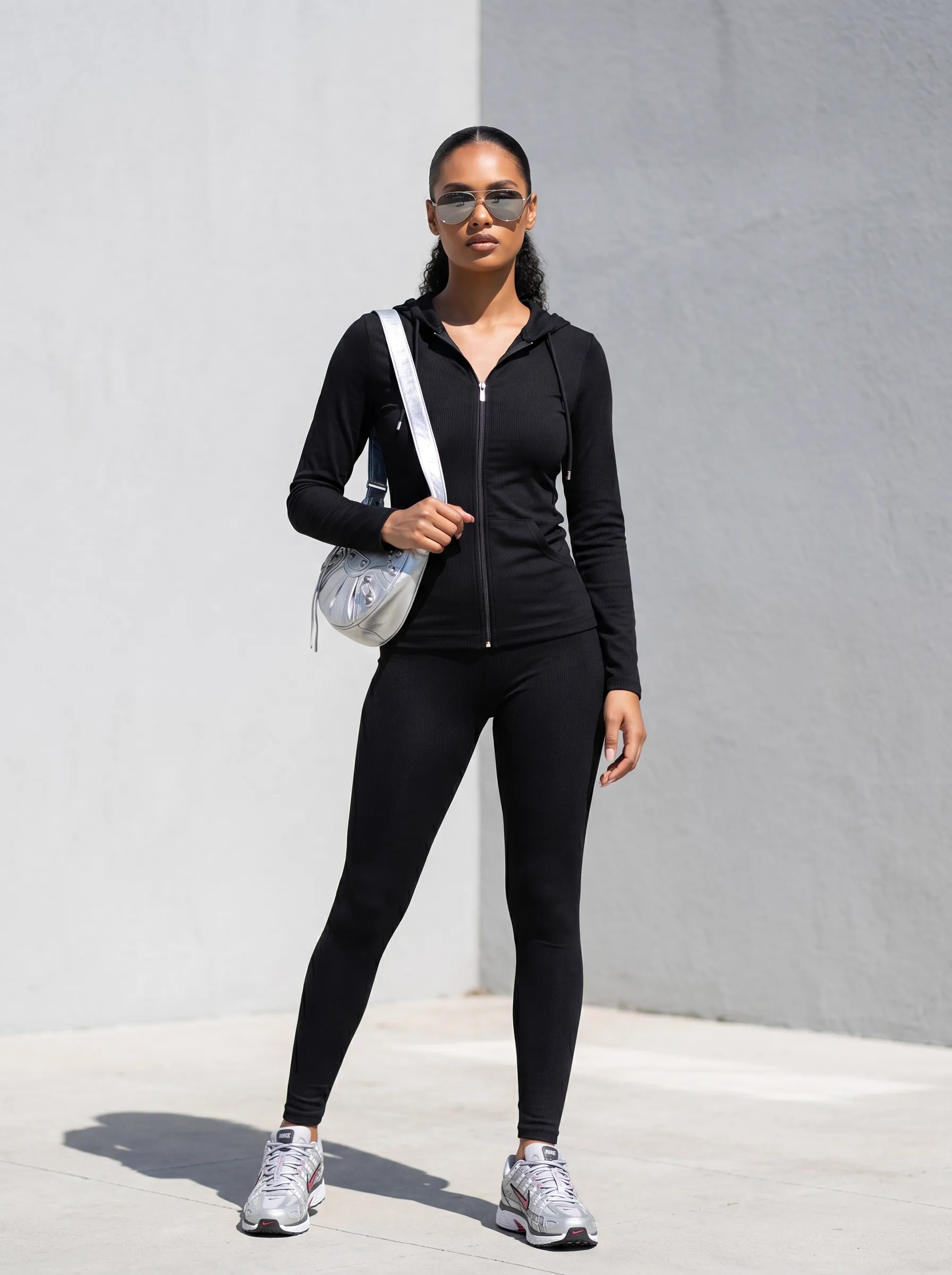
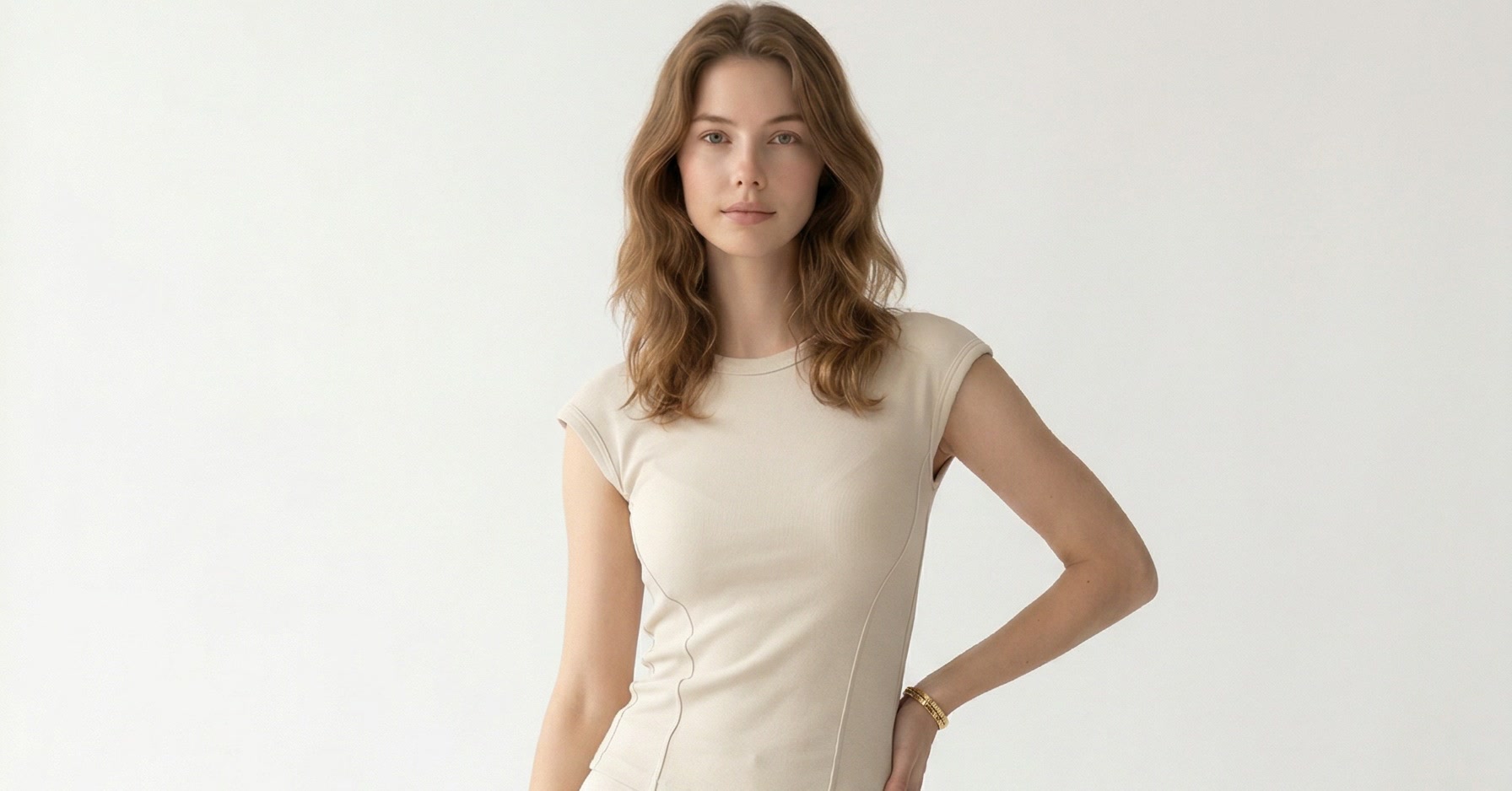
Same product. New model. New setting. New accessories. New season. No reshoot, no sample, no studio. This is recataloging.
$25–$75
per image at platform studios — the cost of a traditional reshoot, per SKU
Soona / Squareshot / Snappr pricing
20–30%
of inventory value per year — the carrying cost of unsold seasonal stock
Alexander Jarvis, holding cost analysis
$1T
global online fashion sales 2025 — visuals are the final filter for purchase decisions
3DLook fashion ecommerce data
The Product Isn’t the Problem. The Catalog Is.
Boutiques know this rhythm. A capsule lands in March. The red summer mini, the camo green romper, the athletic set, the black athleisure hoodie. The product photography happens around the same time — flat lays on white, a few studio model shots, maybe a beach pier or sunlit balcony if the photographer had budget. By August, the trend hasn’t actually moved on. The cut still works. The fabric still works. The fit still works. But the imagery is locked into a sun-soaked summer narrative, and the customer scrolling in September is shopping for something else entirely. The inventory becomes deadstock not because it stopped working — but because the catalog stopped working.
Marie Claire’s Fall 2025 transitional dressing brief calls the mandate explicitly: “buy now, blend into what you already own, and wear for the long haul.” Lightweight knits over tanks. Denim jackets over slip dresses. Cardigans over rompers. The customer wants the same garments they already love, photographed in the language of the next season. That’s the recataloging brief.
The old way of meeting that brief was a reshoot — sample shipping, model day rate, photographer day rate, stylist, location, post-production, all multiplied across however many SKUs needed refresh. Reshoots typically run 25-50% of the original session cost, and platform studios charge $25-$75 per image (Soona). A boutique refreshing 50 SKUs for fall is looking at a five-figure bill before it even ships samples.
The MODA AI alternative is simpler. Take what you have — existing on-model shots, supplier flat lays, last season’s catalog — and refresh it directly. New model, new layering piece, new setting, new accessories, all generated around the same garment. This post walks through five real recataloging transformations, each refreshing a different starting point.
What Recataloging Actually Changes
Recataloging isn’t a color filter on the old shoot. It’s four specific levers that, together, give the product a new life:
Refresh the model identity.
Same garment, new face. The model that defined the original shoot doesn't have to define the next one. The face reference locks a new identity across every refreshed SKU in one session.
Add a seasonal layering piece.
Denim jacket on top of a summer dress. Crochet duster cardigan over a slip. Black cardigan + belt on a basic romper. Camel blazer over an athletic set. Real layering, on the existing garment, for the next season.
Move the setting.
Studio flat-lay backgrounds, plain white seamless, and beach piers all lock a product into one narrative. Re-stage to a sunlit urban concrete wall, a Mediterranean terracotta courtyard, a city sidewalk — and the same garment reads as a new drop.
Restyle the accessories and footwear.
Clear plastic heels become silver running sneakers. Athletic sneakers become red lace-up open-toe heel boots. Sterile catalog gold becomes silver-on-black. The garment's category shifts because the styling around it shifts.
Transformation 1 — Refresh the Model + Setting
Studio Stock to City Streetwear
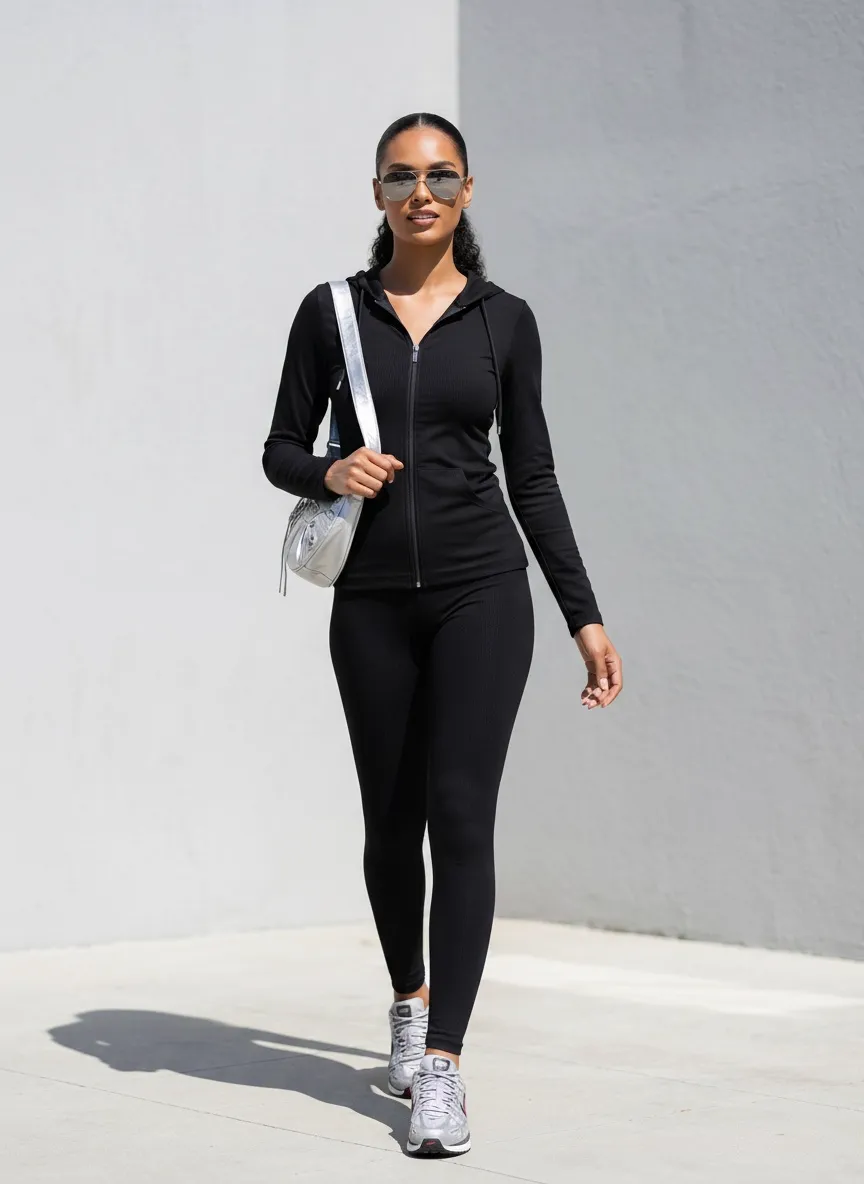
The starting point is a generic on-model shot of a black zip-front hoodie and matching leggings — the kind of stock model image every supplier and dropshipper has on file. Clear plastic heels. Plain white seamless. Sterile. No story.
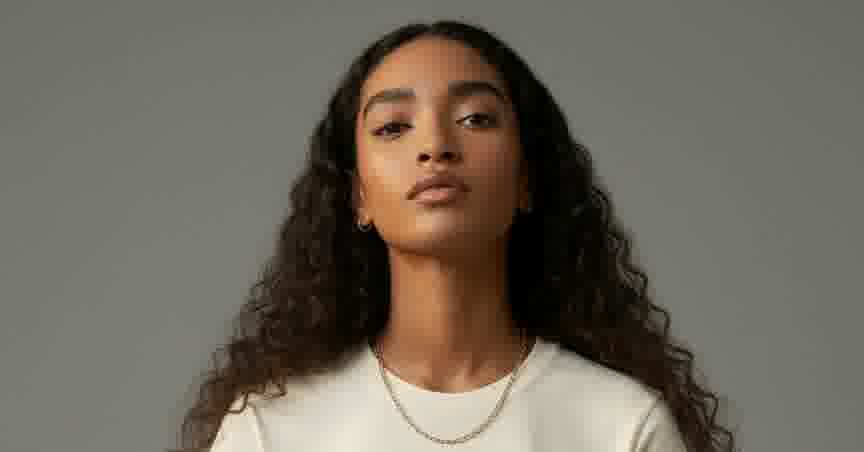
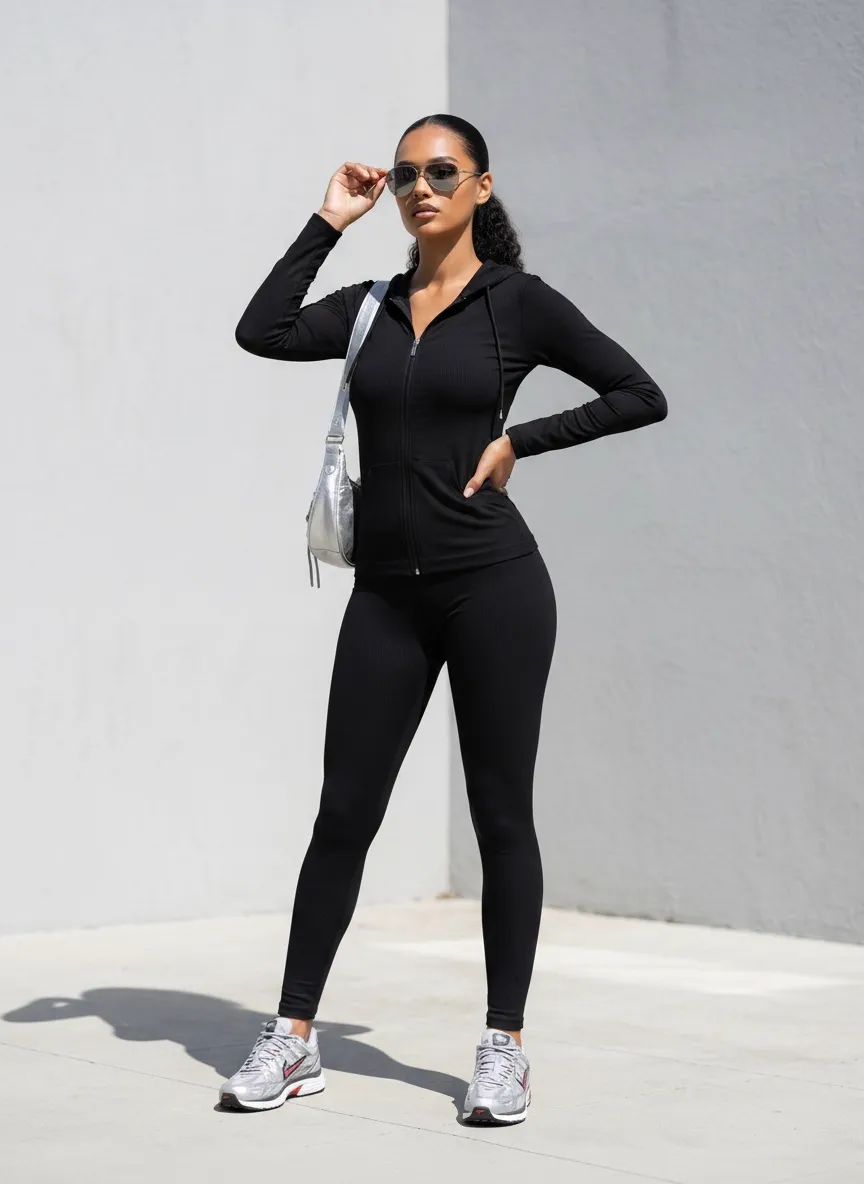
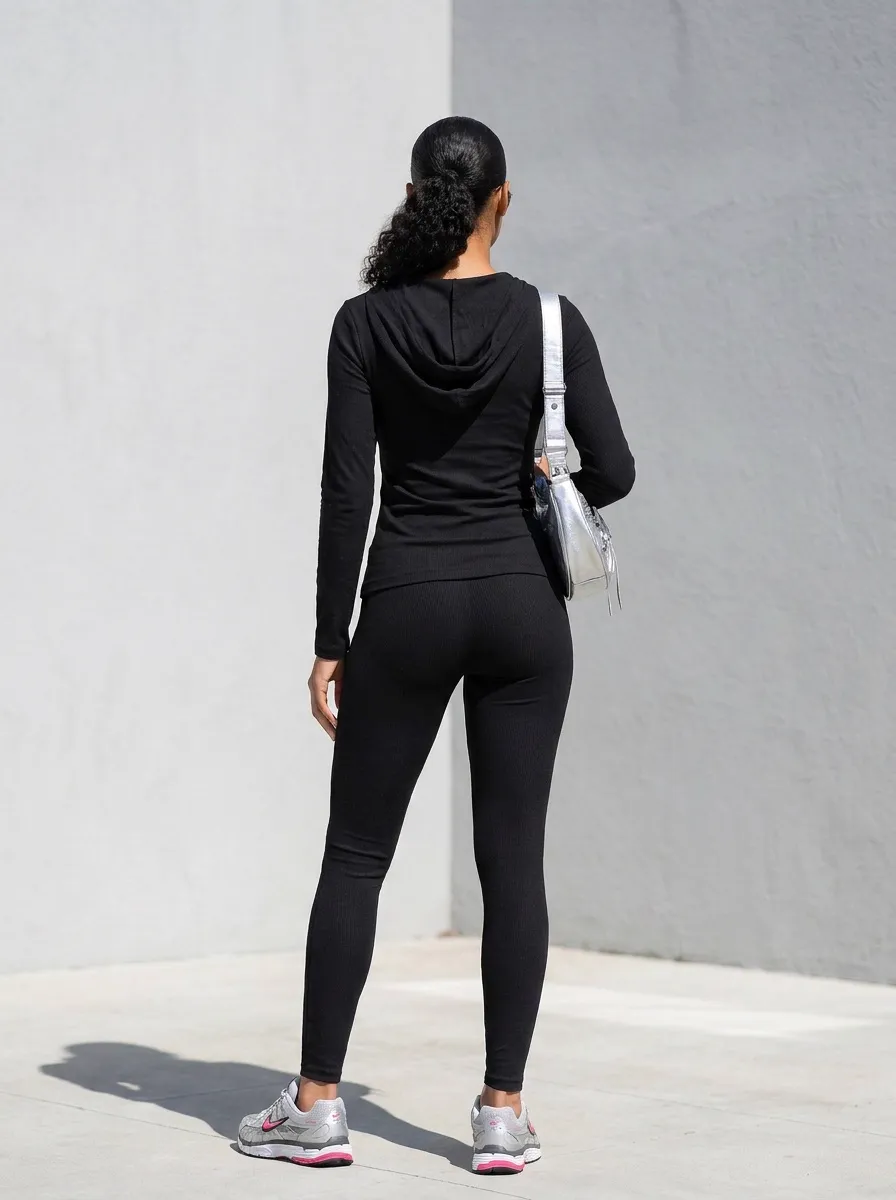
MODA AI takes the same garment and rebuilds the catalog around a face-referenced model — a curly-haired Black woman with confident posture, mirrored aviators, a silver crossbody bag, and chunky silver running sneakers. The setting moves to a sunlit urban concrete wall with sharp shadow lines. The hoodie is unchanged. Everything around it is new.
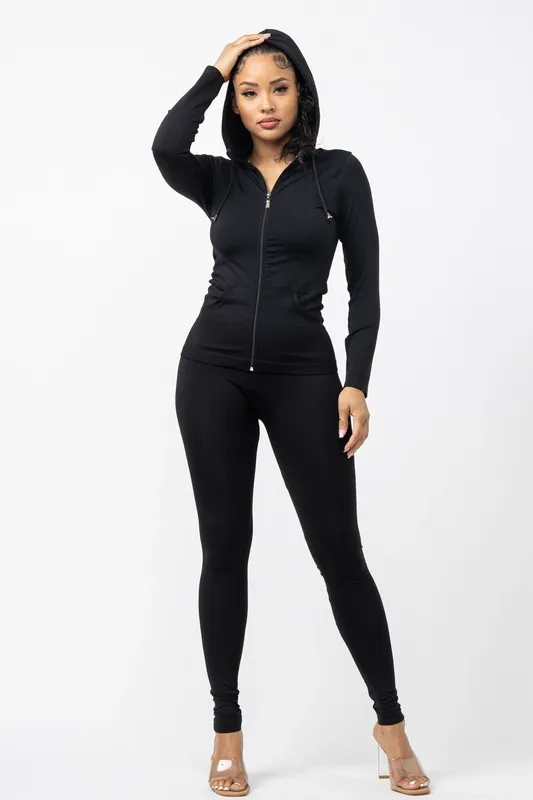
BEFORE — studio stock
Transformation 2 — Layer for Fall
Summer Mini to Fall Transitional with a Denim Jacket
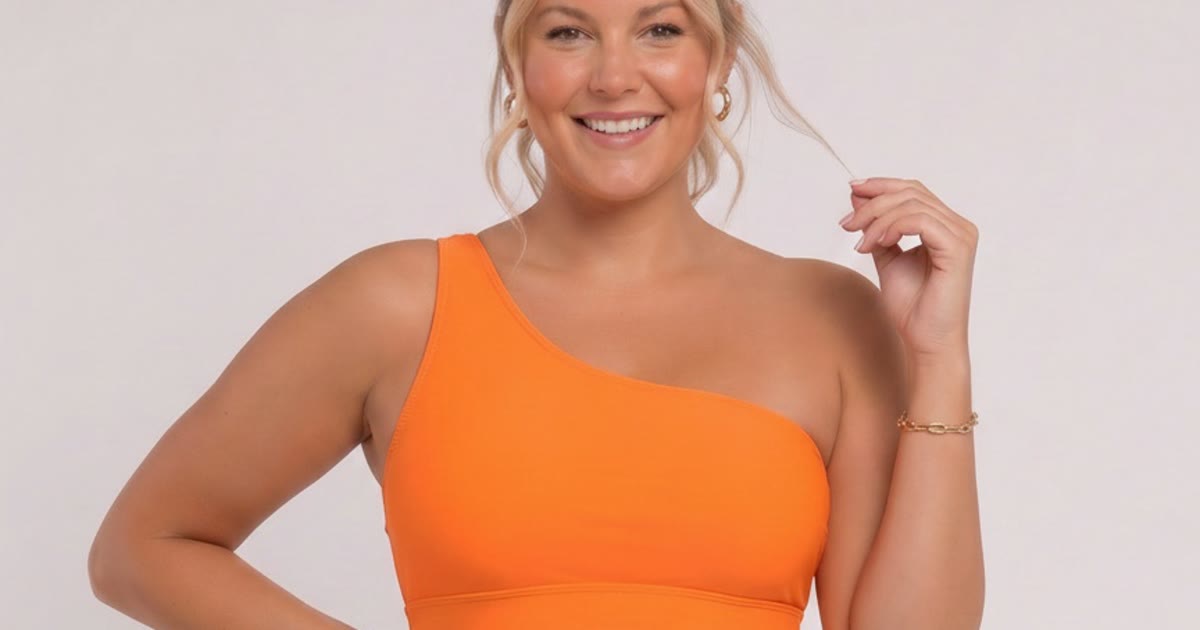
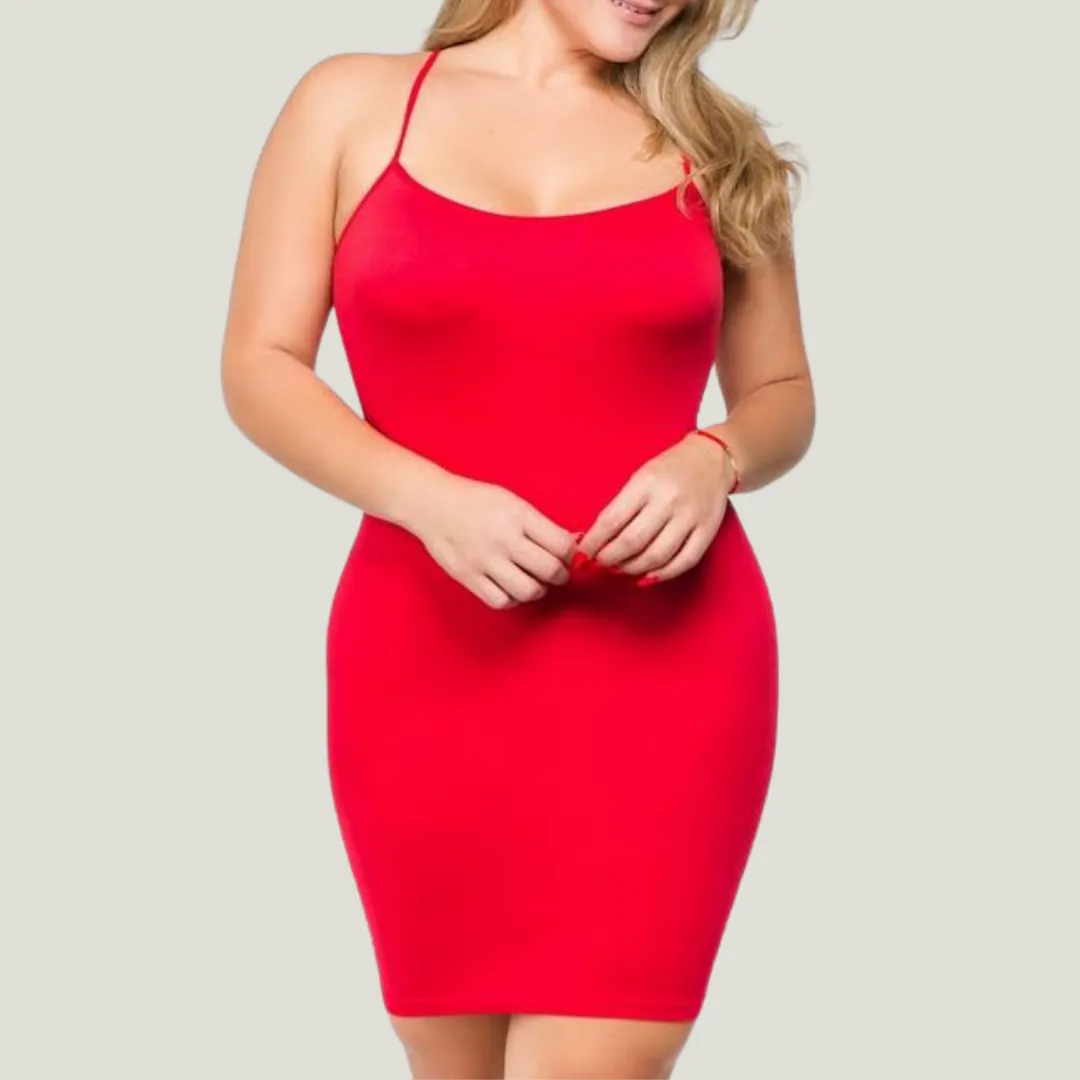
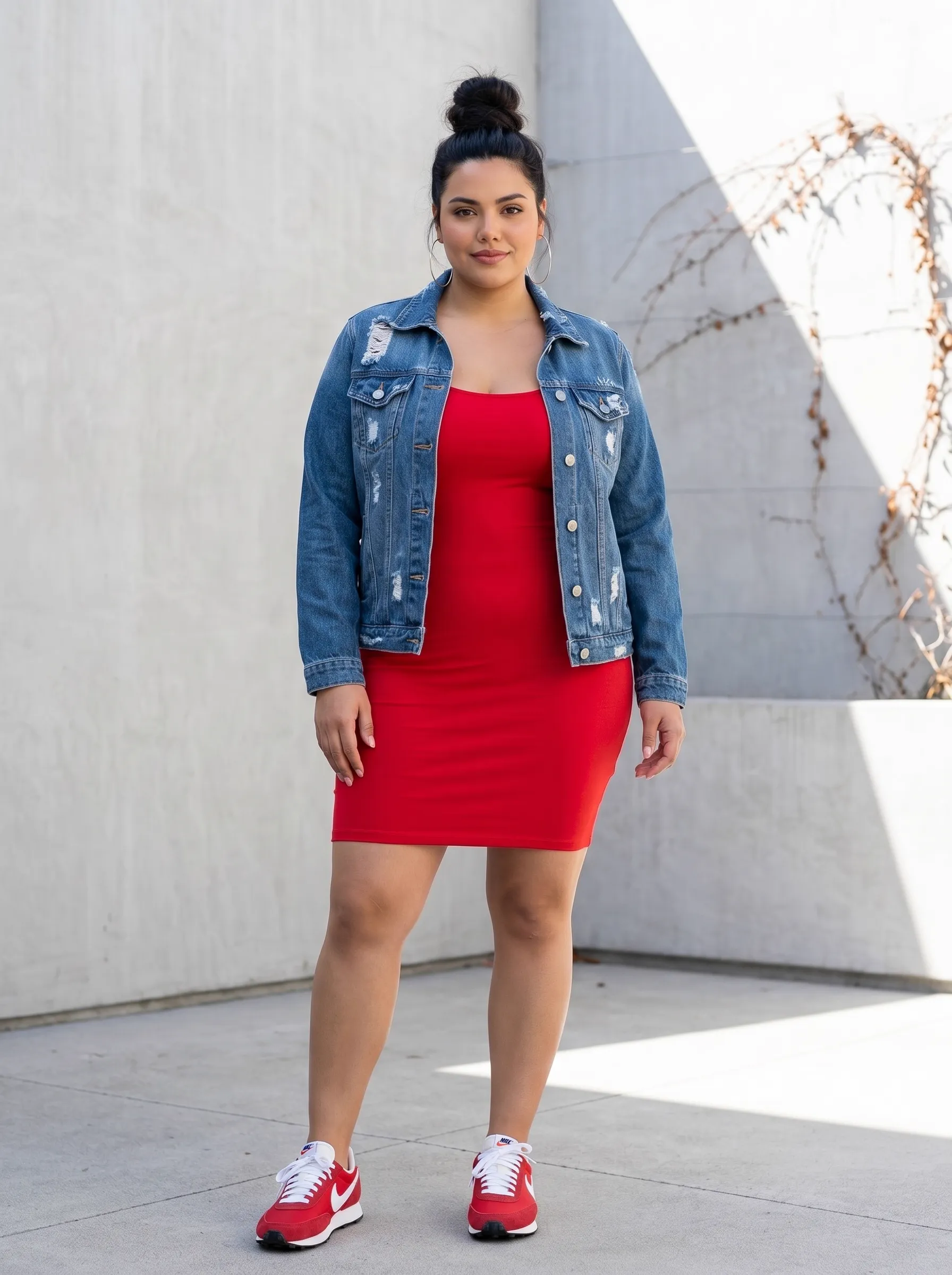
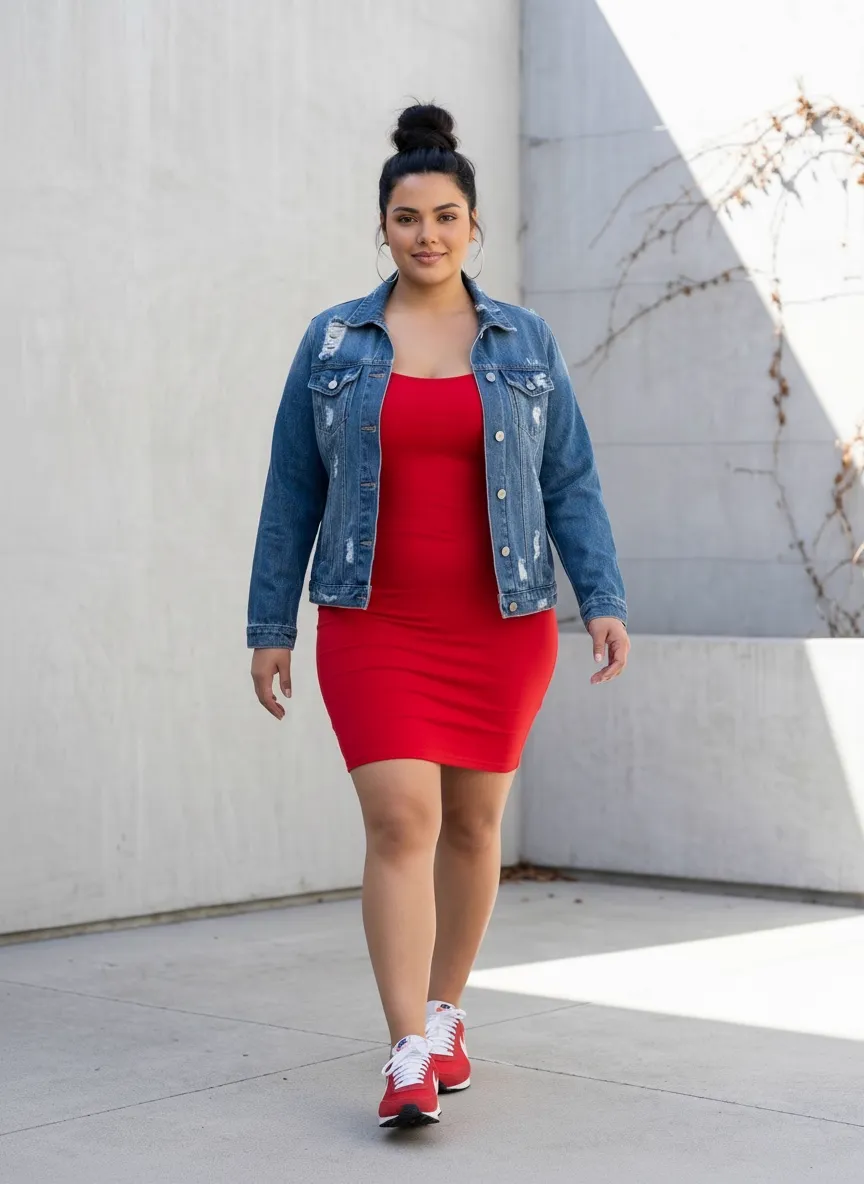
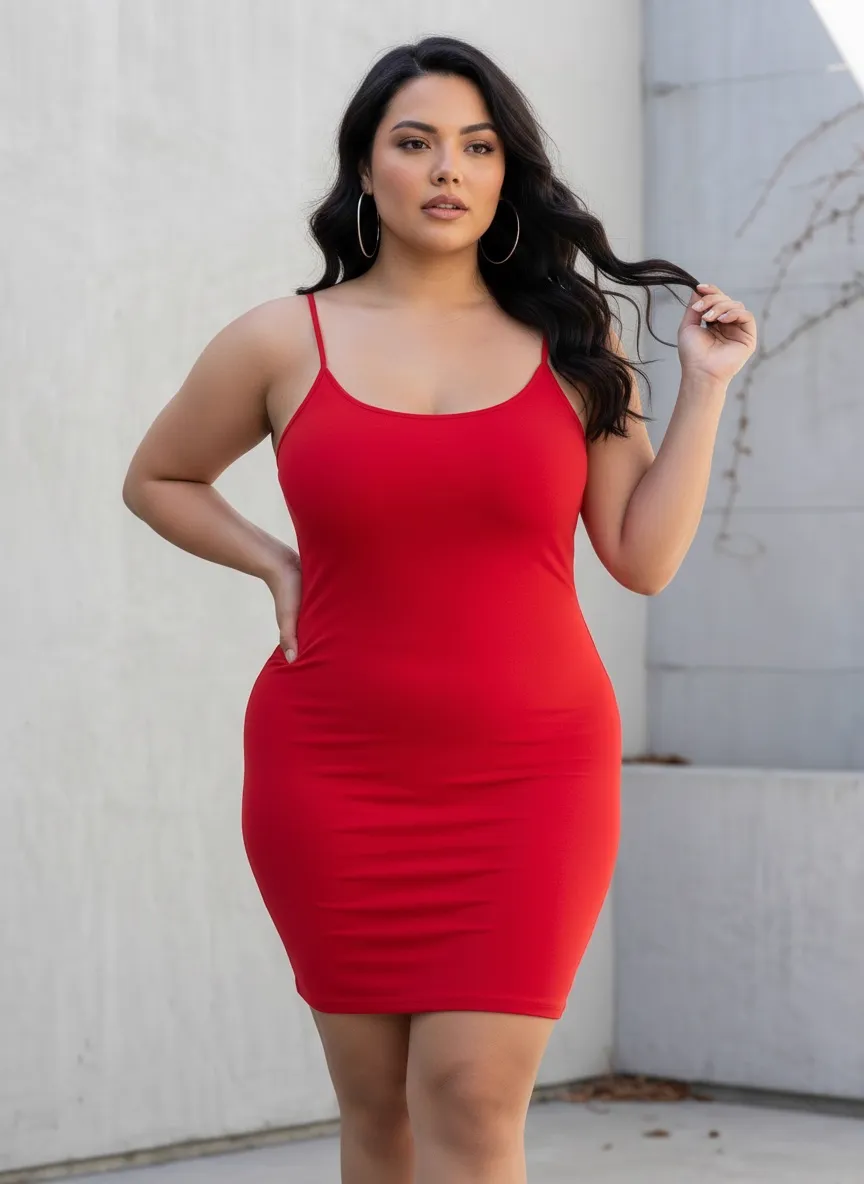
The starting point is a basic red mini slip dress on a plus-size studio model, photographed flat against a neutral background. Pure summer SKU.
MODA AI keeps the dress exactly as is — same length, same cut, same red — and layers a faded blue denim jacket over the top. The model is refreshed via face reference to a brunette in a topknot. The setting is a sunlit concrete wall with diagonal shadow patterns from an overhead vine. Red sneakers replace bare feet. The result is a fall-transitional outfit, ready to slot into the September catalog with no reshoot.
BEFORE — summer studio
Transformation 3 — Reposition the World
Indoor Cocktail to Mediterranean Summer Resort
The starting point is an editorial shot of a deep red mini dress — same SKU as transformation 2 in a different colorway — styled for a wood-paneled library, fireplace lighting, gold clutch and strappy heels. Beautiful, but locked into an evening-cocktail use case.
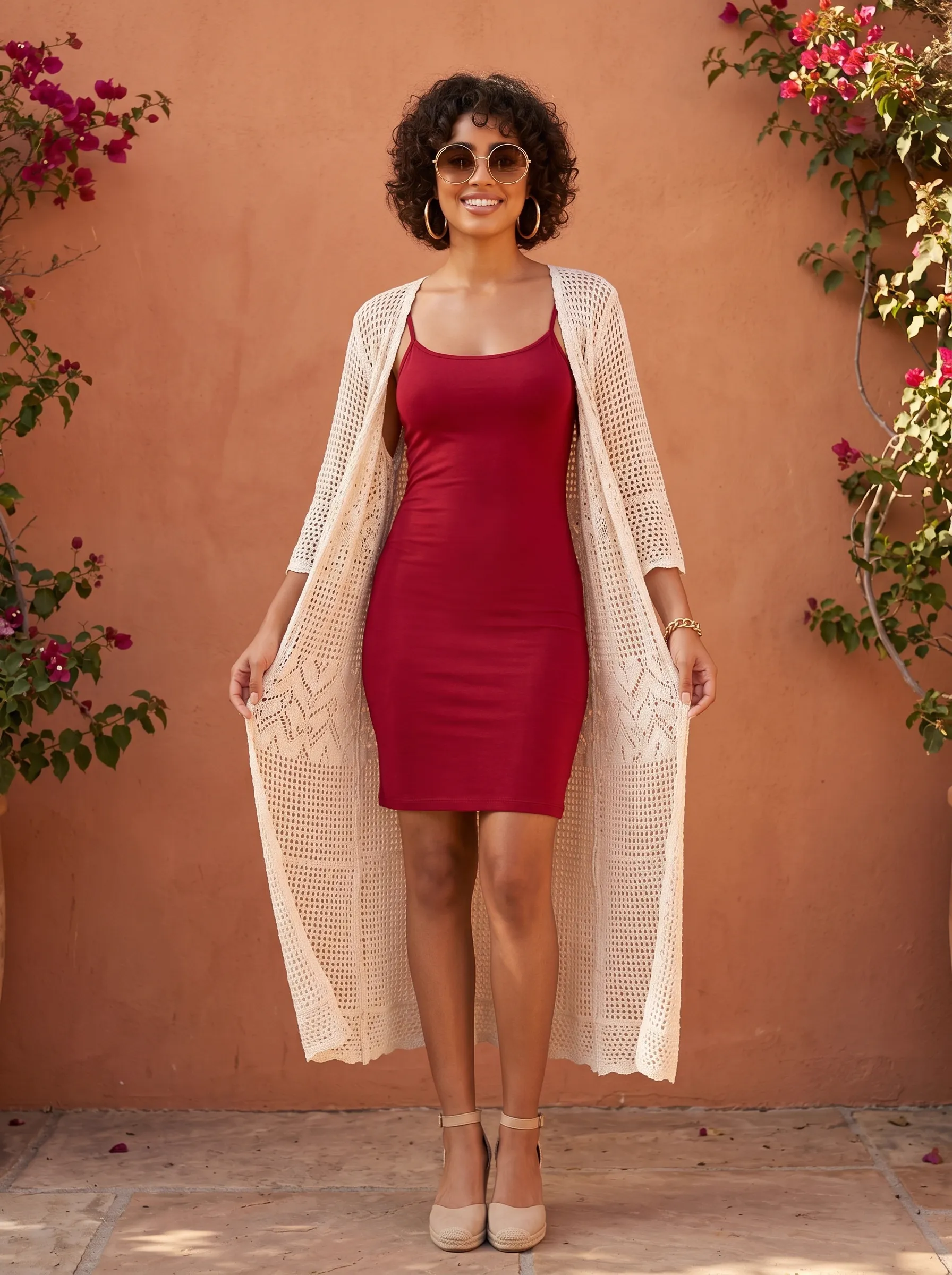
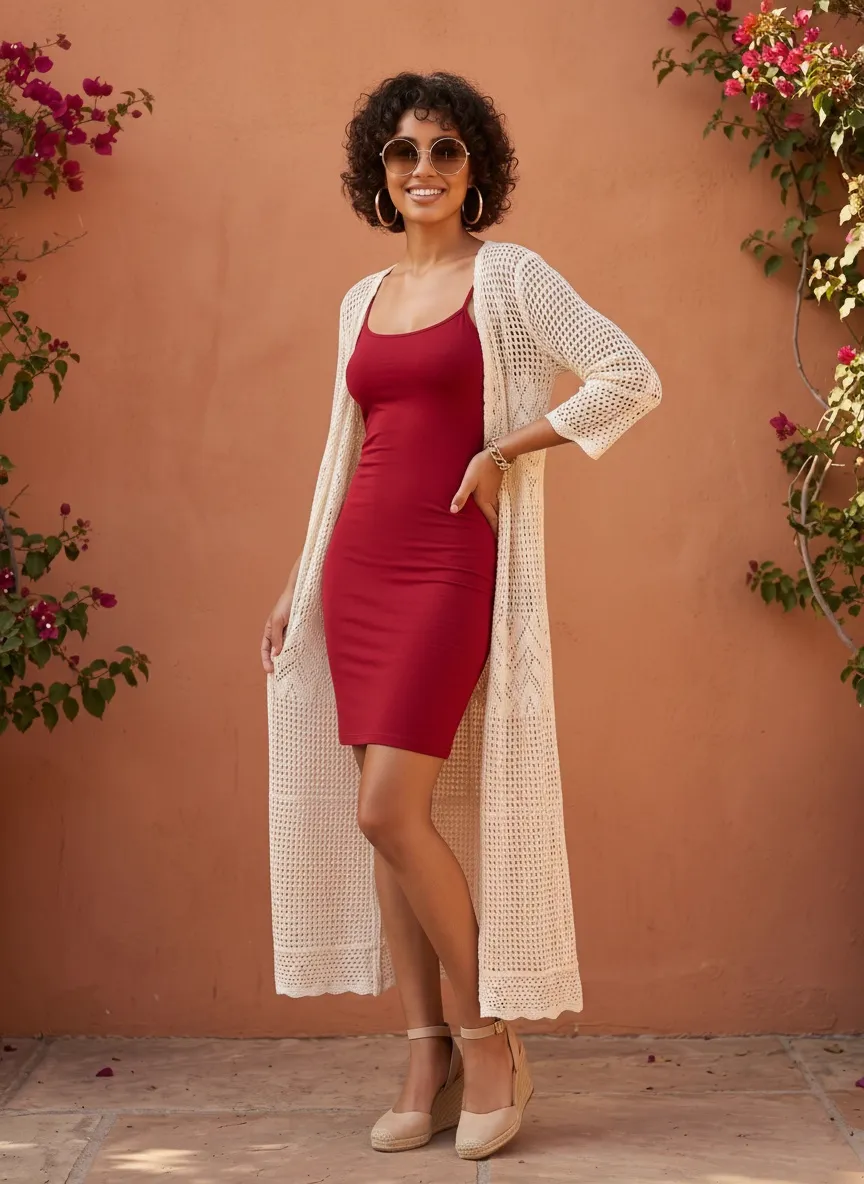
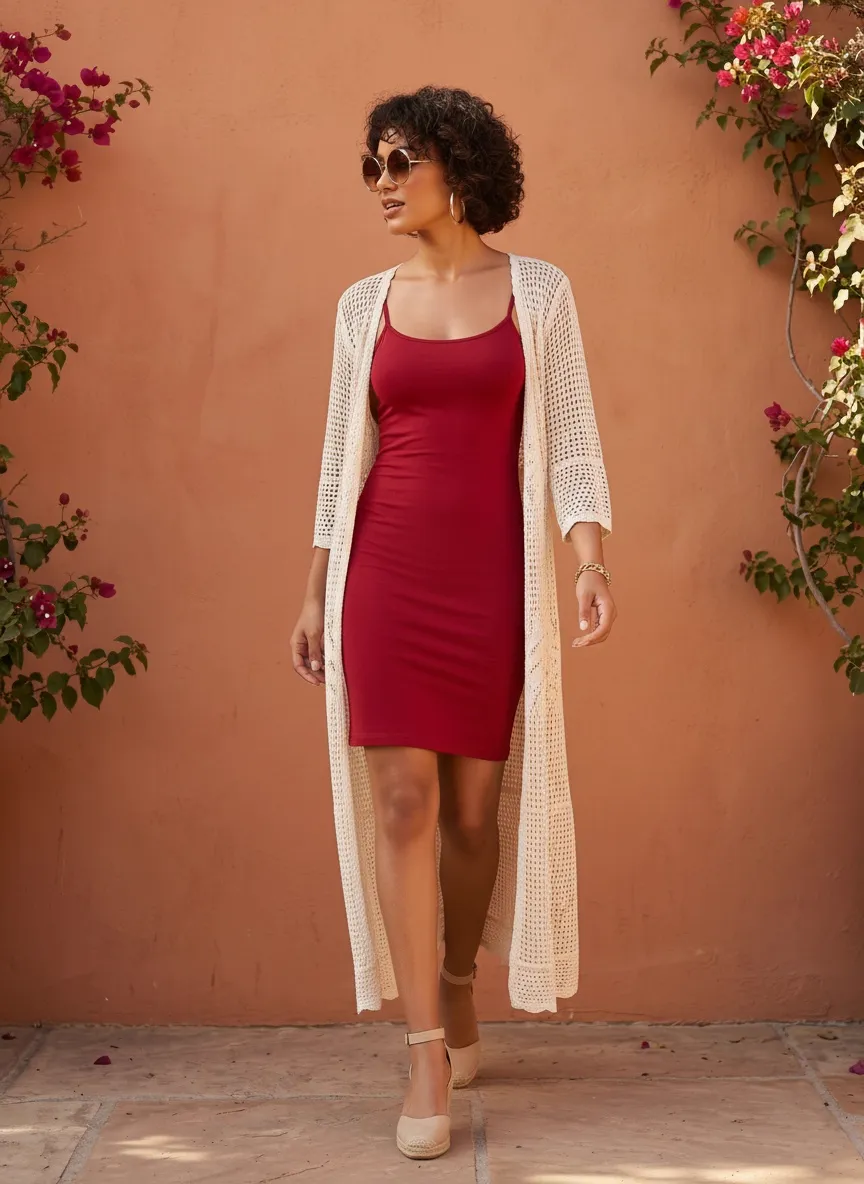
MODA AI keeps the dress and adds a cream open-knit crochet duster cardigan over the top. The model is refreshed via face reference to a curly brunette. The setting moves to a terracotta Mediterranean courtyard wall with bougainvillea spilling across the frame. Nude wedges and sunglasses replace the cocktail-night styling. The same SKU now reads as a summer resort daytime look — expanding its catalog placement from one occasion to two without any product change.
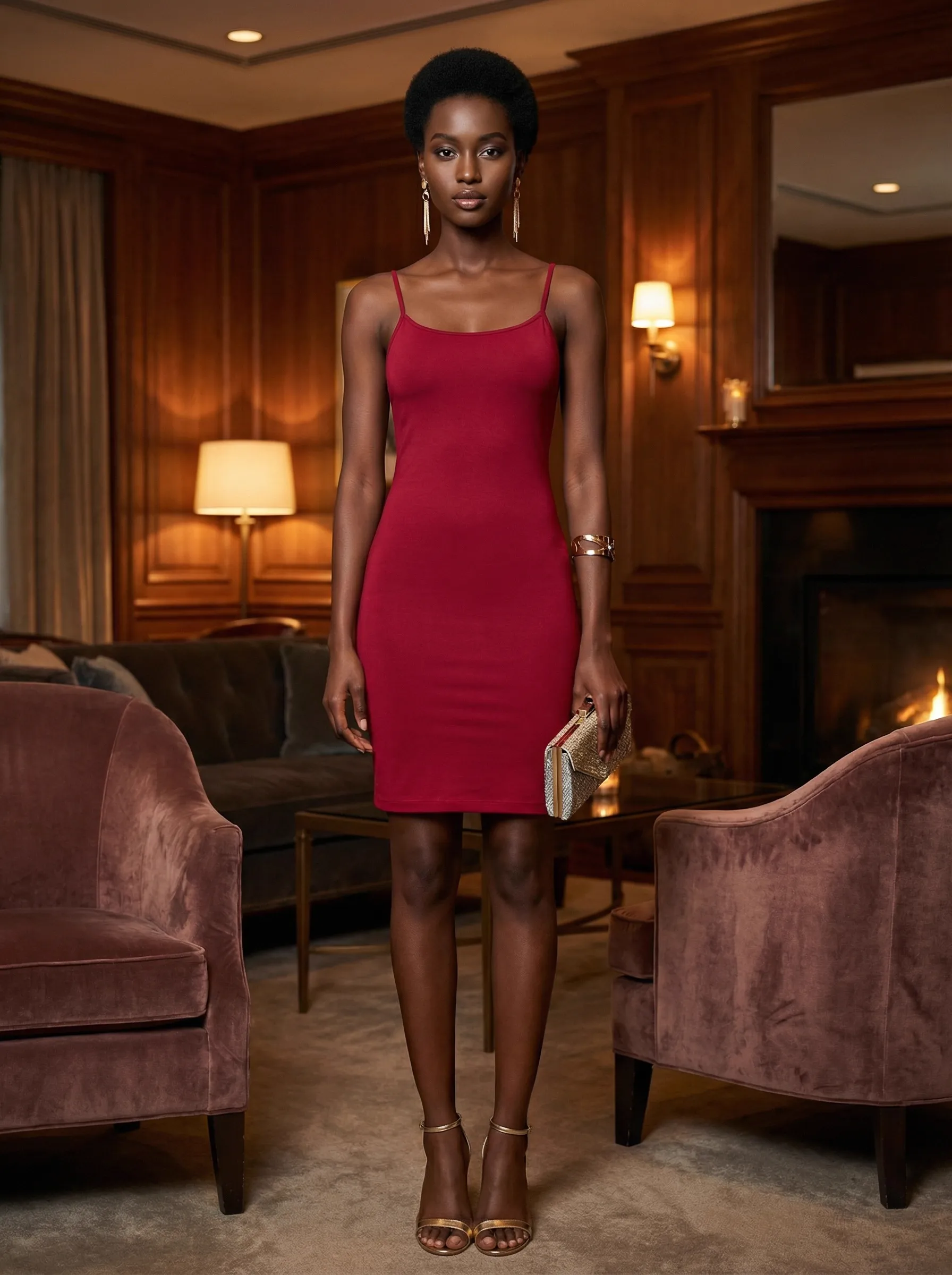
BEFORE — indoor cocktail
Transformation 4 — Restyle the Category
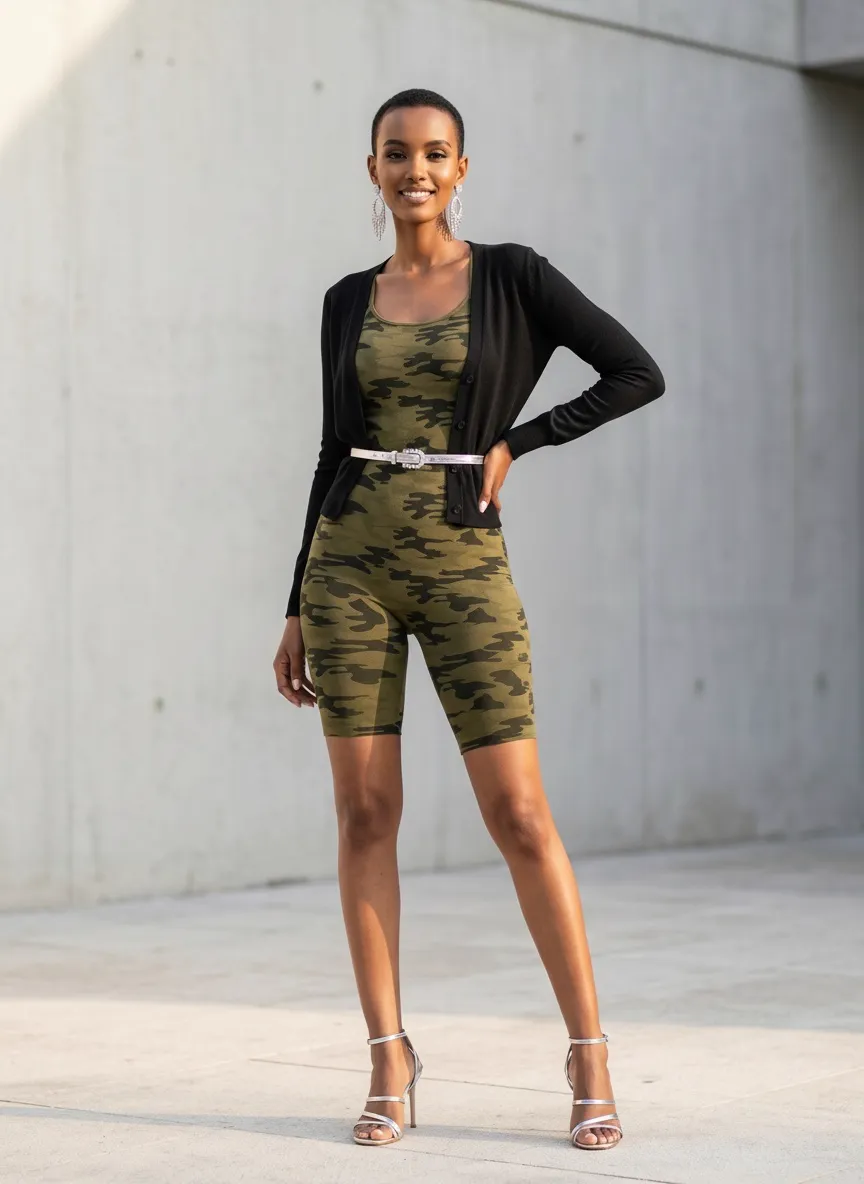
Camo Athletic Romper to Styled City Streetwear
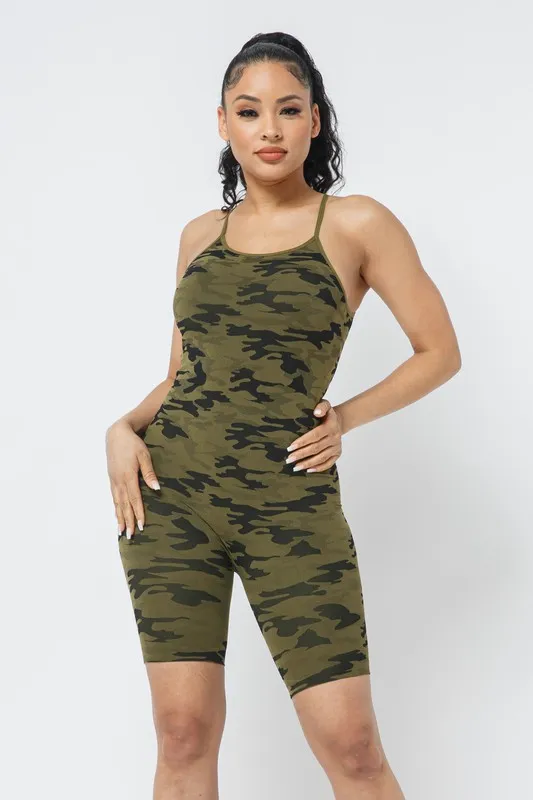
The starting point is a green camo bike romper on a brunette studio model — classic loungewear/athletic SKU, photographed against neutral background for the original drop.
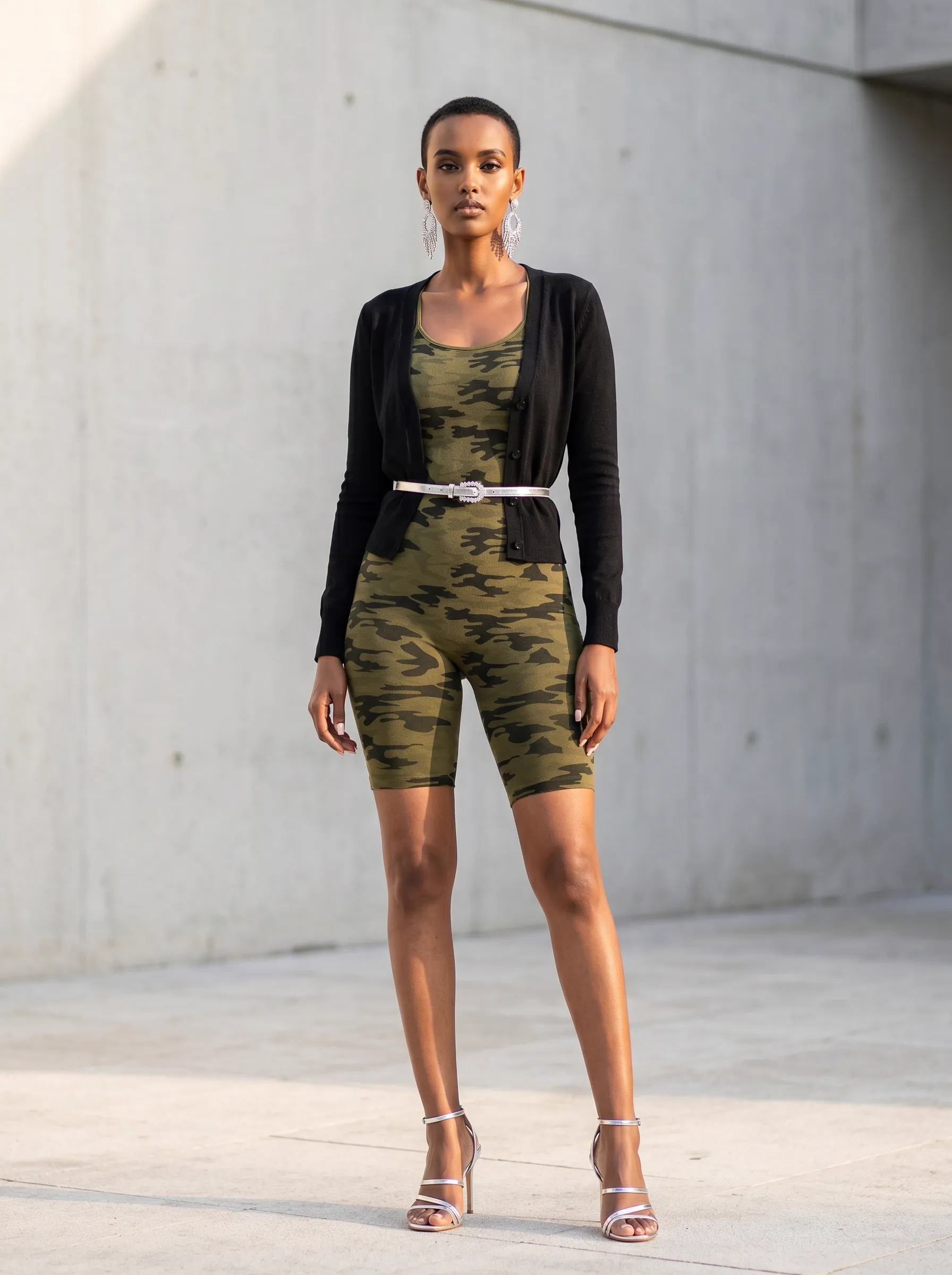
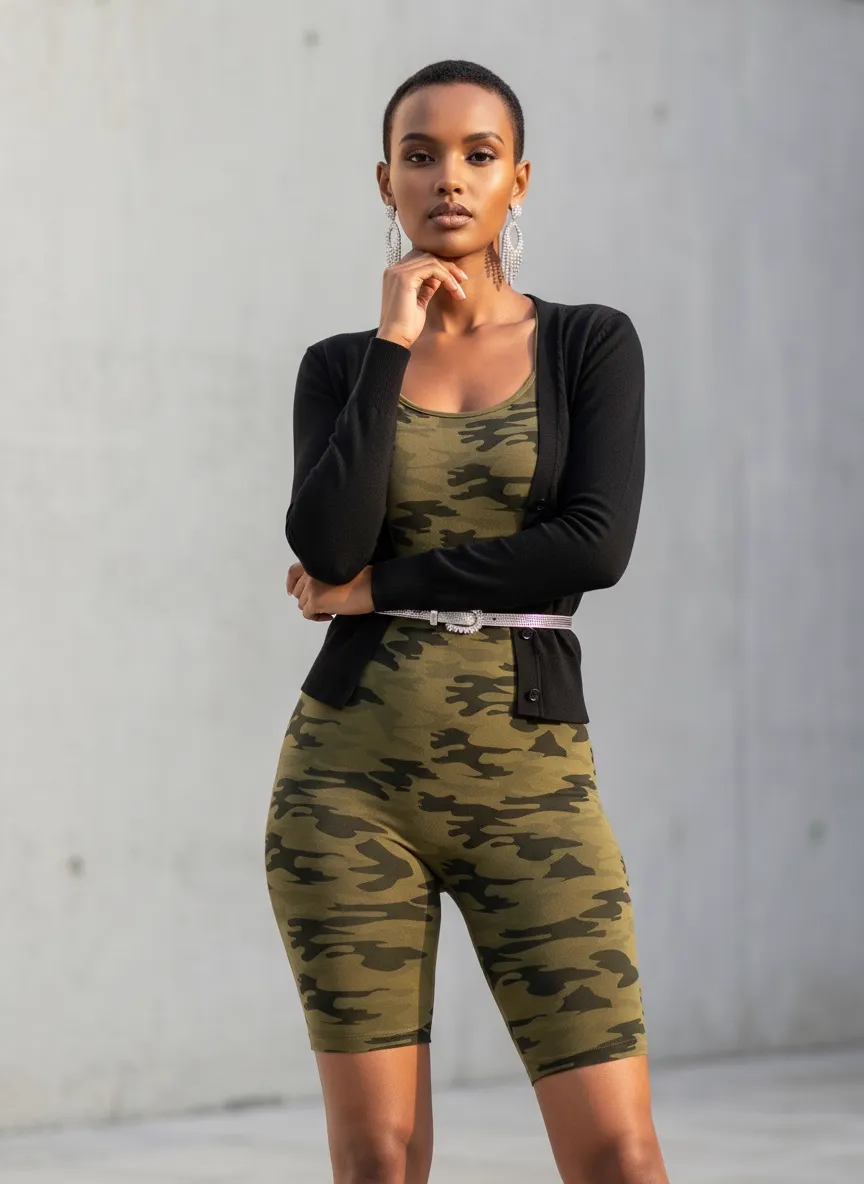
MODA AI keeps the romper unchanged and restyles it for a different category entirely: short-cropped black cardigan over the top, silver belt cinched at the waist, silver strappy heels replacing sneakers, dangling silver earrings. The model is refreshed via face reference to a buzz-cut Black model. The setting moves to a sunlit urban concrete wall. The athletic SKU now competes in the city streetwear category — the same garment, a different shelf.
BEFORE — studio loungewear
Transformation 5 — Restage the Use Case
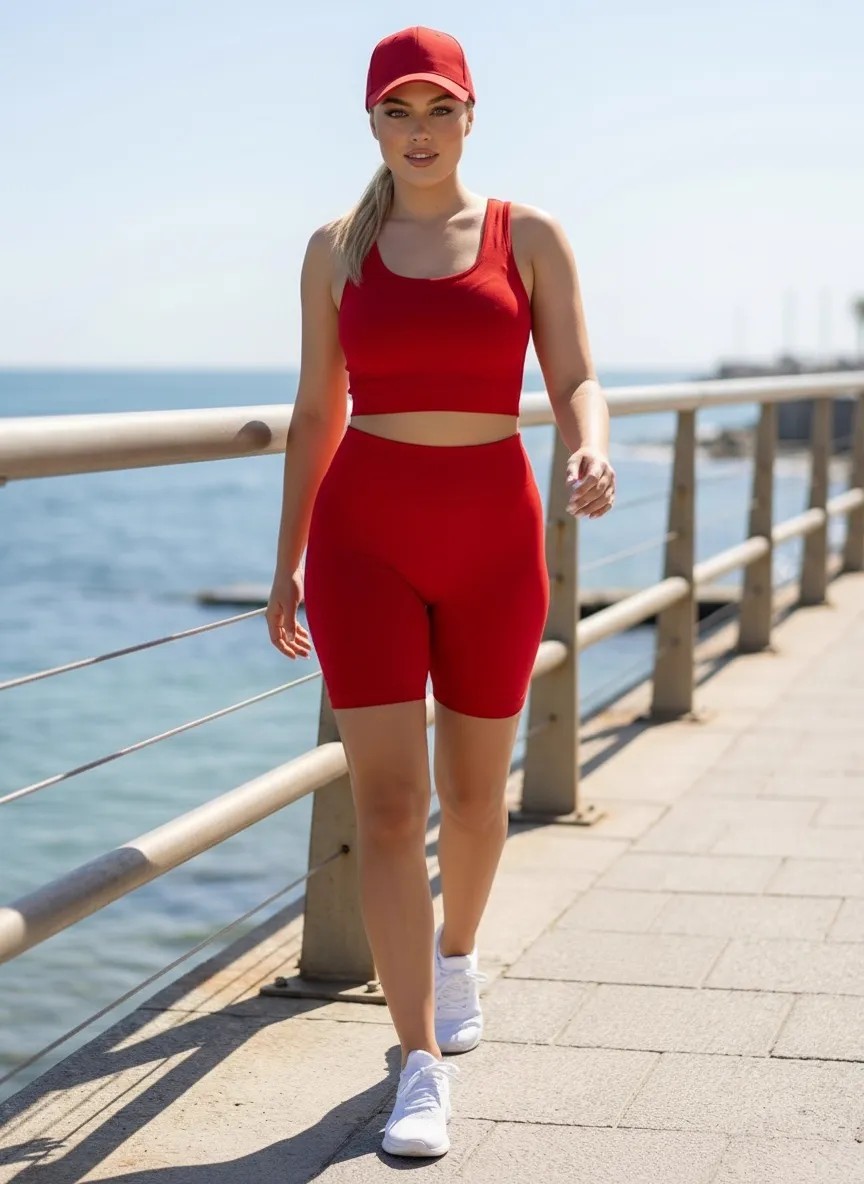
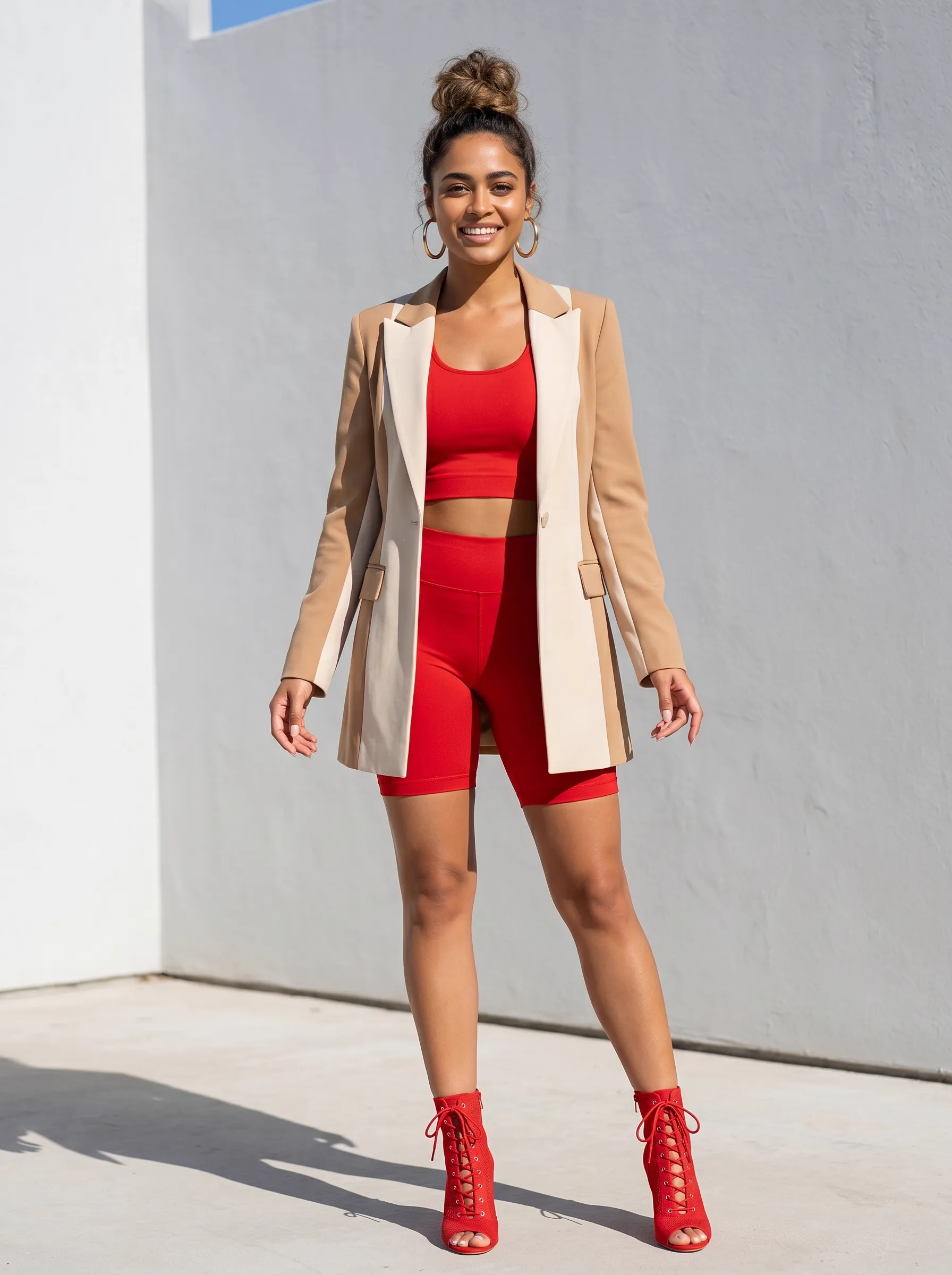
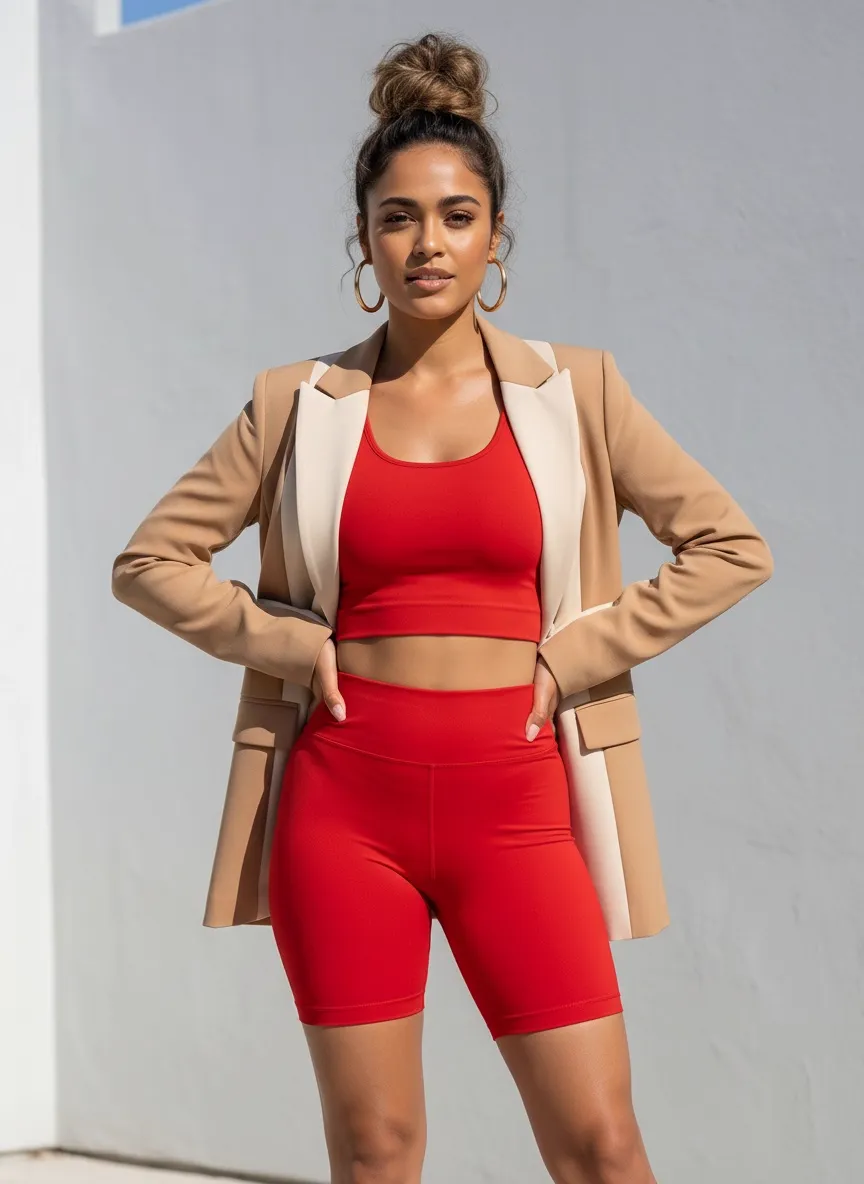
Beach Athletic Set to Camel Blazer Night-Out
The starting point is a red sports bra and bike shorts set on a blonde model wearing a red ball cap, photographed on a sunny beach pier — pure summer workout SKU, locked into an outdoor athletic narrative.
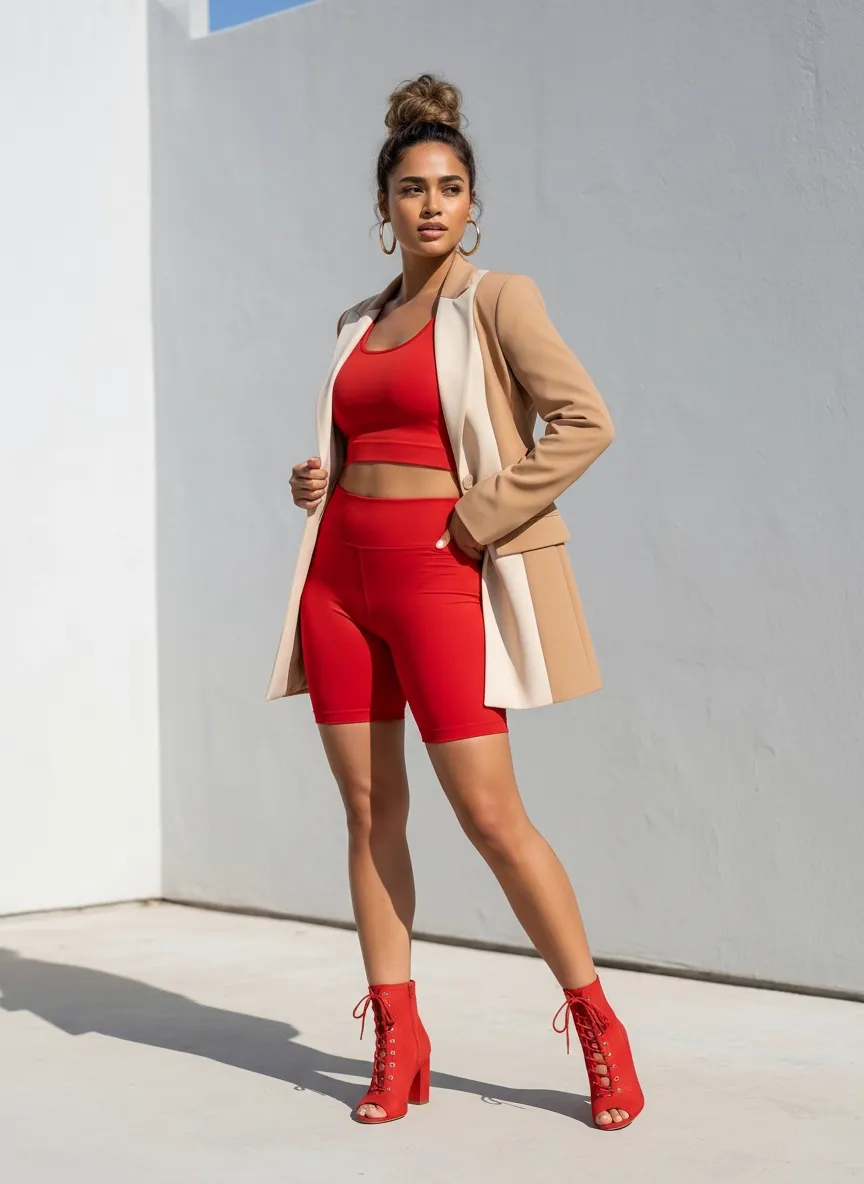
MODA AI takes the same athletic two-piece and layers a long camel blazer over it. The model refreshes via face reference to a tan brunette in a high bun, gold hoops. Footwear shifts to red lace-up open-toe heel boots. The setting moves to a clean white plastered wall with hard sunlight. The summer athletic SKU now reads as evening-ready streetwear — expanding its catalog placement from the activewear category into the going-out shelf, on the same product.
BEFORE — beach athletic
The Reshoot Math vs. the Recatalog Math
Pricing out a traditional fall refresh on 50 SKUs from a contemporary apparel boutique: ten platform-studio images per SKU at $50 each is $25,000 in image fees alone, before sample shipping ($50-$200 per round trip), rush fees (a 25-200% premium), and post-production. Boutique sample budgets at this scale typically run another $2,000-$5,000 just to get the inventory to the studio and back. Industry benchmarks put the all-in cost of a 50-SKU seasonal refresh closer to $30,000-$40,000.
MODA AI runs $1 per batch of ten images. The same 50-SKU refresh comes in around $50. The garment never leaves the warehouse. The model never has to be booked. The setting is generated. The styling layers are generated. The refresh that used to take six weeks of production and a quarter of a season’s margin runs in an afternoon at a cost that doesn’t change the gross margin on the SKU. That speed matters most around the cycles where reshoot lead times structurally don’t work — back-to-school, the pre-Black-Friday catalog refresh, the holiday push, the resort-drop rollover.
For a category where carrying cost on unsold inventory runs 20-30% of inventory value annually, the recatalog cycle isn’t just a cost savings — it’s the lever that determines whether old stock moves before it goes to markdown.
Who This Workflow Is Built For
Recataloging fits a specific kind of brand: contemporary boutiques running trend-driven inventory at accessible price points, where reshoot ROI doesn’t pencil but stale catalog imagery still costs sales. Blended Boutiques is exactly that kind of profile — a contemporary women’s apparel DTC boutique spanning dresses, athleisure, jumpsuits, denim, outerwear, with a Curvy Collection baked into the brand and prices from $15-$58 with deals like “2 for $30.” The brand voice is playful, optimistic, seasonal (their tagline is “Sunny Days Ahead”), and the inventory turns over fast.
For a brand like that, a $30,000 reshoot bill for a fall refresh is structurally inaccessible. But the customer scrolling on October 15th still expects fall imagery. Recataloging closes that gap. The same workflow applies to:
- Independent boutiques running trend-driven contemporary apparel with rapid drop cycles and inclusive sizing
- Dropshippers stuck with generic supplier flat lays that look identical to every other store running the same SKU
- Secondhand and resale sellers who need to make pre-owned product photography look fresh, lifestyle, and intentional
- Seasonal sample brands — bridal-adjacent, holiday-coded, capsule drops — that need imagery to keep working past the original launch window
- Wholesale brands selling to multi-brand boutiques that want to differentiate their PDP shots from competing storefronts
- PDP optimization teams running A/B tests against the same SKU — new model, new setting, new layering, generated overnight per variant
- Vintage and curated resellers needing consistent on-model lifestyle imagery on a one-of-a-kind inventory model that can’t economically be reshot
Frequently Asked Questions
What does "recataloging" actually mean with MODA AI?
Recataloging is using AI to refresh existing product photography without a reshoot. You upload the garment you already have catalog shots for — a flat lay, an on-model shot, even a supplier's stock image — and MODA AI re-produces it on a new model, in a new setting, with new styling layers like a denim jacket or a cardigan, and new accessories. Same SKU, completely new catalog. The garment's shelf life resets.
Can MODA AI add a jacket or cardigan that wasn't in the original shot?
Yes — this is the core seasonal-transition mechanic. A summer red mini dress photographed in a studio becomes a fall transition piece with a denim jacket layered on top. A cocktail dress shot indoors becomes a Mediterranean summer look with a crochet duster cardigan. A basic camo romper becomes a styled streetwear set with a cardigan and heels. The original garment stays accurate; the layering piece, accessories, and setting are produced around it.
How much does this cost versus a traditional reshoot?
Reshoots typically run 25-50% of the original session cost (Nightjar), and platform studios like Soona charge $25-$75 per image. A small boutique reshooting 20-40 images for a seasonal refresh budgets $500-$2,000, plus shipping samples, rush fees, and usage rights. MODA AI starts at $1 per batch of ten images. For a boutique with 50 SKUs to refresh for fall, that's the difference between a $5,000+ reshoot bill and a $50 catalog update.
Will the model stay consistent across all my refreshed products?
Yes. The face reference locks the model identity — upload one clear photo of the model look you want for your fall catalog and MODA AI carries that face, build, hair, and skin tone across every recataloged SKU. The refreshed lookbook reads as one campaign, not a series of one-offs. Model consistency across a catalog lifts revenue 23-33% (SellHound conversion research) — for a recatalog cycle, that consistency is the conversion mechanic.
Does this work for dropshippers using supplier stock images?
Yes, and it's one of the strongest use cases. Most dropshippers run on the same generic supplier flat lays everyone else has. MODA AI takes those identical inputs and produces unique catalog imagery on your face-referenced model, in your styling, in your setting — so your storefront stops looking interchangeable with every other store running the same SKU. The product is the same; the brand is yours.
What kind of boutiques is this built for?
Trend-driven contemporary apparel boutiques — the brands carrying inventory across dresses, athleisure, jumpsuits, denim, outerwear, with $15-$58 price points and seasonal new arrivals every few weeks. Brands like Blended Boutiques whose core promise is trend agility and inclusive sizing. For these boutiques, the recatalog cycle isn't a luxury — it's the inventory turnover lever that decides whether last season's stock moves before markdown.
Same SKU. New shelf life.
Install MODA AI from the Shopify App Store. Upload last season’s catalog, add a face reference for your fall model, choose the styling layers. Recatalog your inventory for the next drop — from $1 per batch.
Get Started Free