Menswear is the fastest-growing segment in fashion ecommerce, expected to outpace other categories by more than 8 percentage points through 2028, according to UniformMarket. But there’s a problem: menswear product pages convert at 0.8% — compared to 3.6% for womenswear. That’s a 350% gap.
The reason isn’t the product. It’s the photography. Most menswear brands default to flat lays and ghost mannequins because on-model photography is expensive and models are hard to book. The result: product pages that show the garment but not the garment on a person. And shoppers who can’t see the fit don’t buy.
AI changes this. Four flat lays. Four AI male models. Full catalog coverage. Here’s what that looks like.
0.8%
menswear conversion rate
vs 3.6% for womenswear — a 350% gap driven by product photography — Centra / 3DLook
Casual Streetwear: Graphic Tee
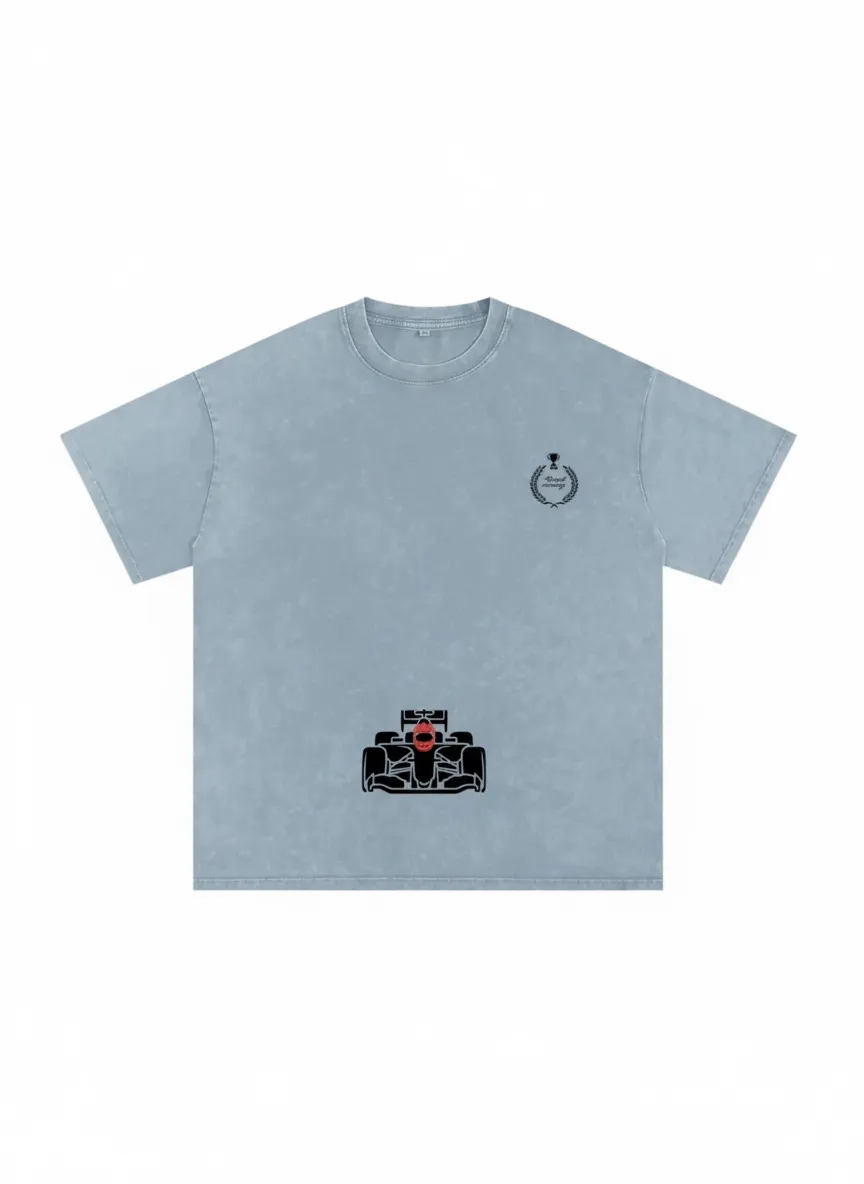
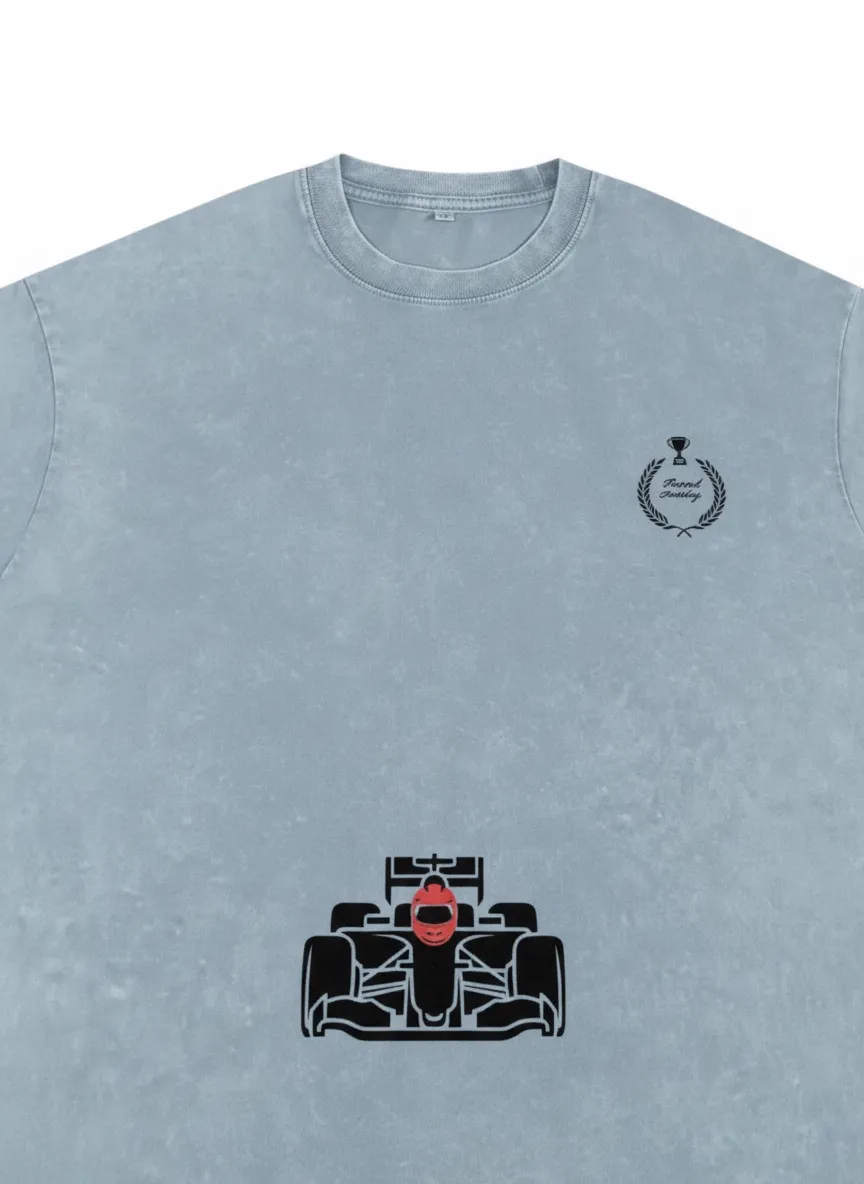
A racing graphic tee on a white background. No context, no fit reference, no styling. This is what most product pages look like — and what shoppers scroll past.
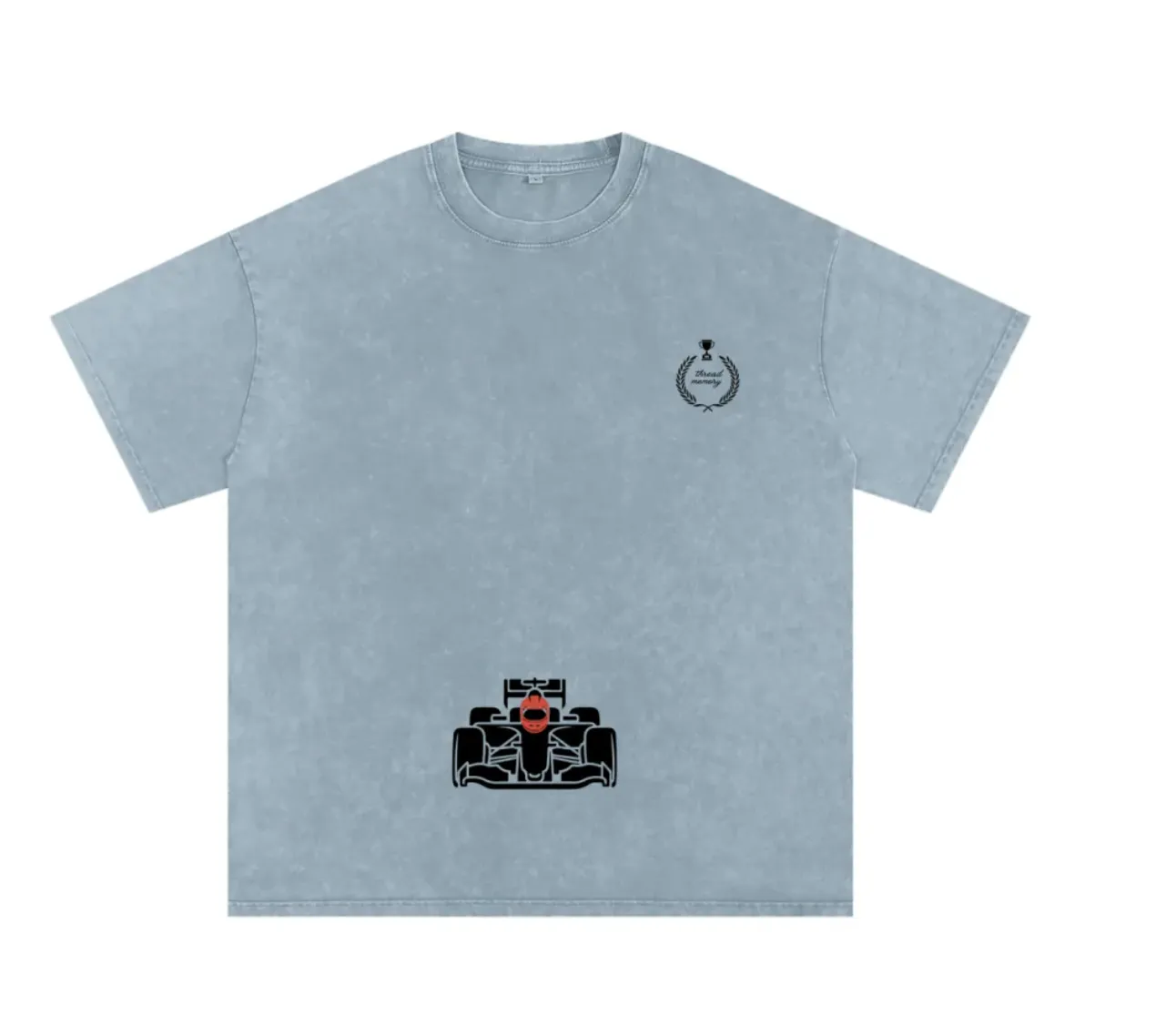
Front Input
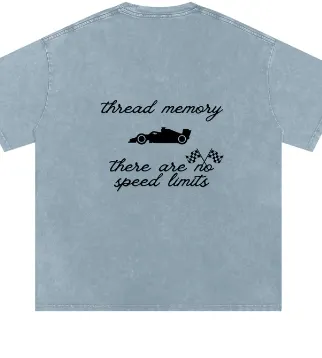
Back Input
Model Reference
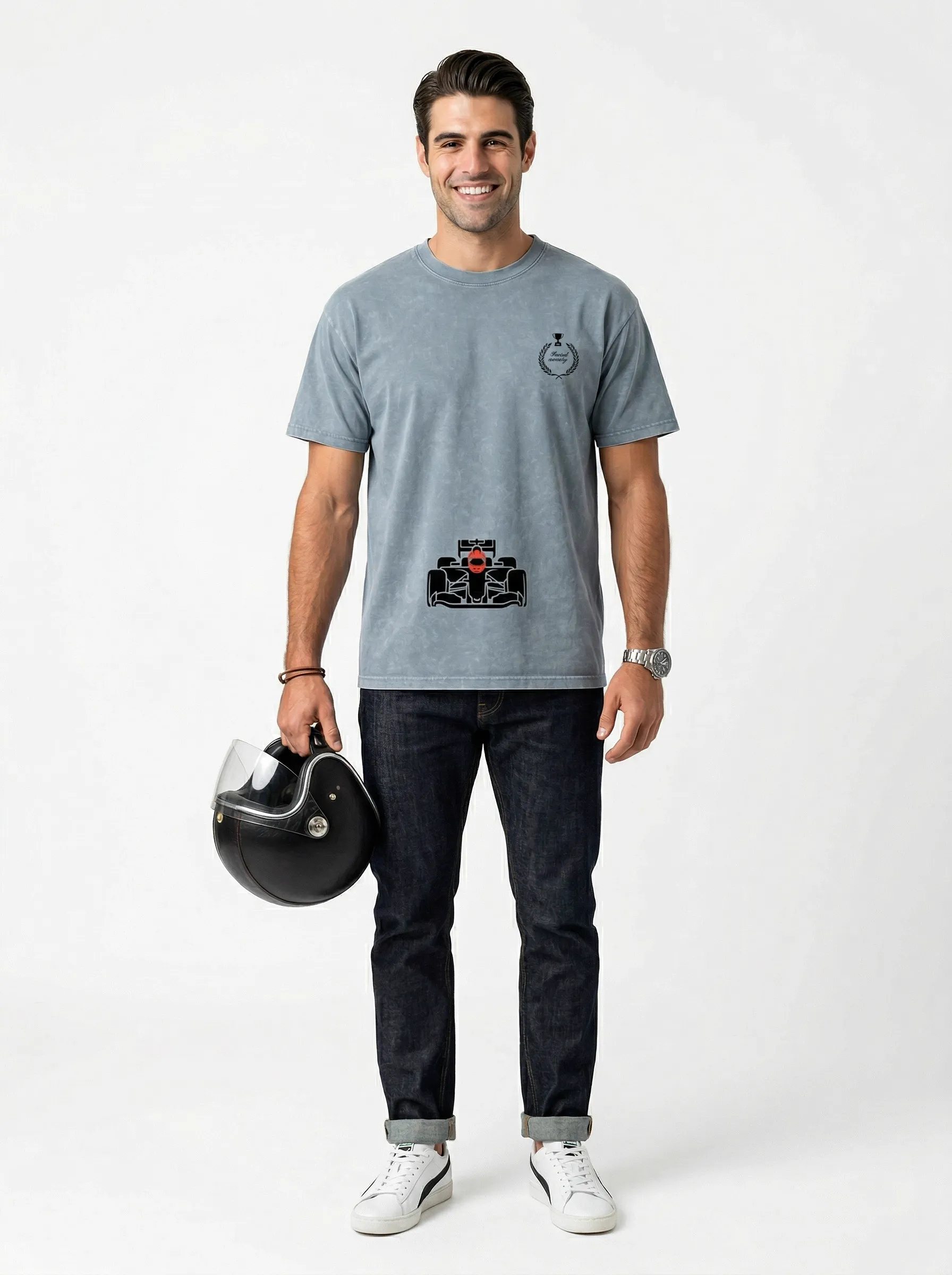
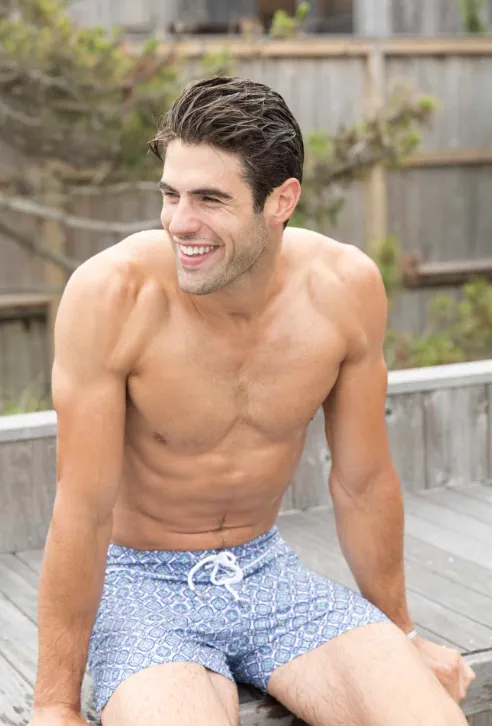
One upload, one face reference. Ten on-model images back — front, back, three-quarter, detail, seated, lifestyle. Every angle a shopper needs to judge fit and styling.
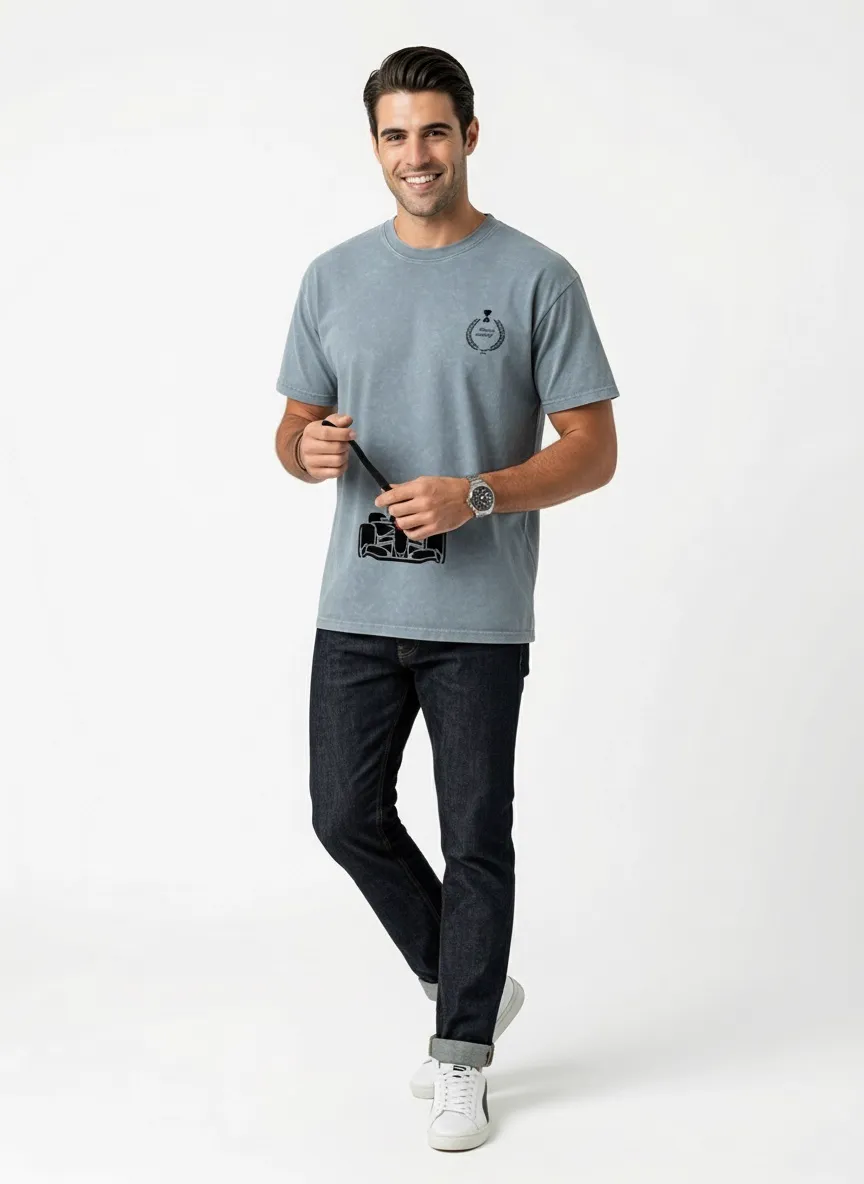
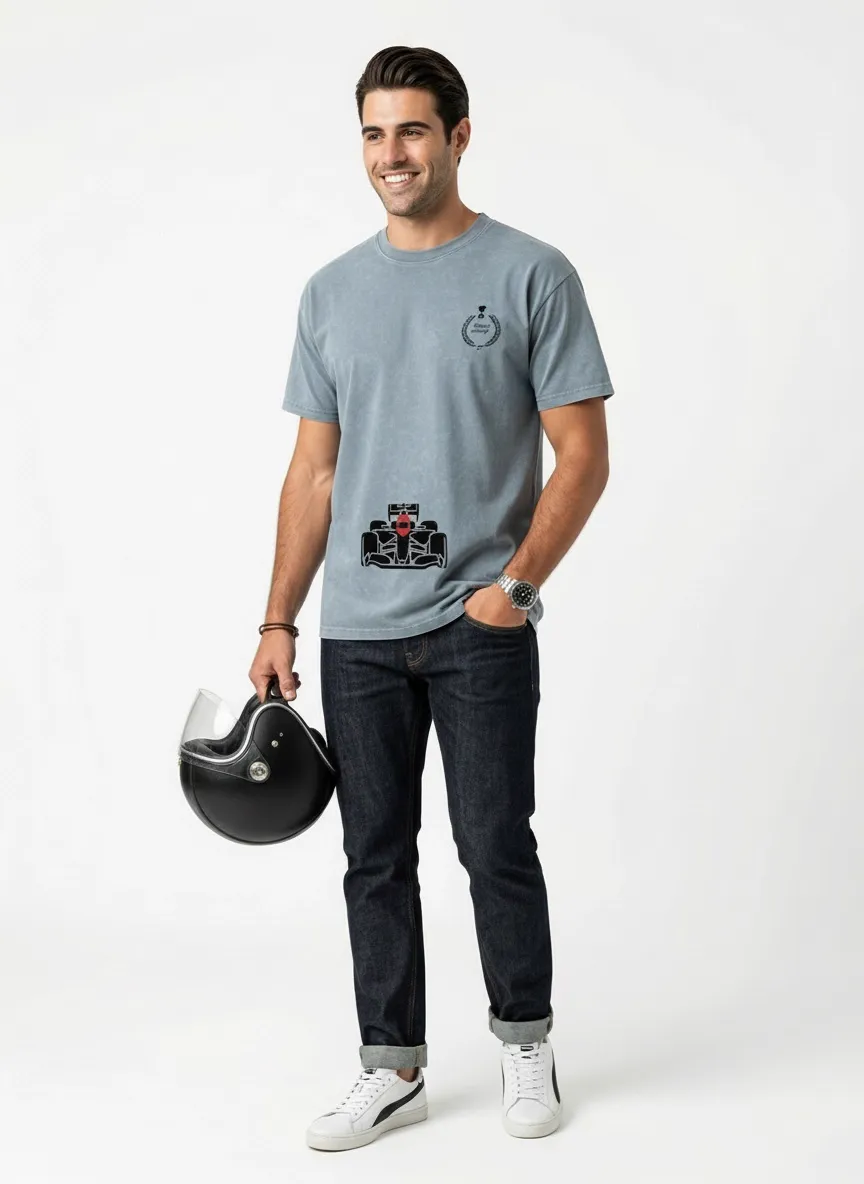
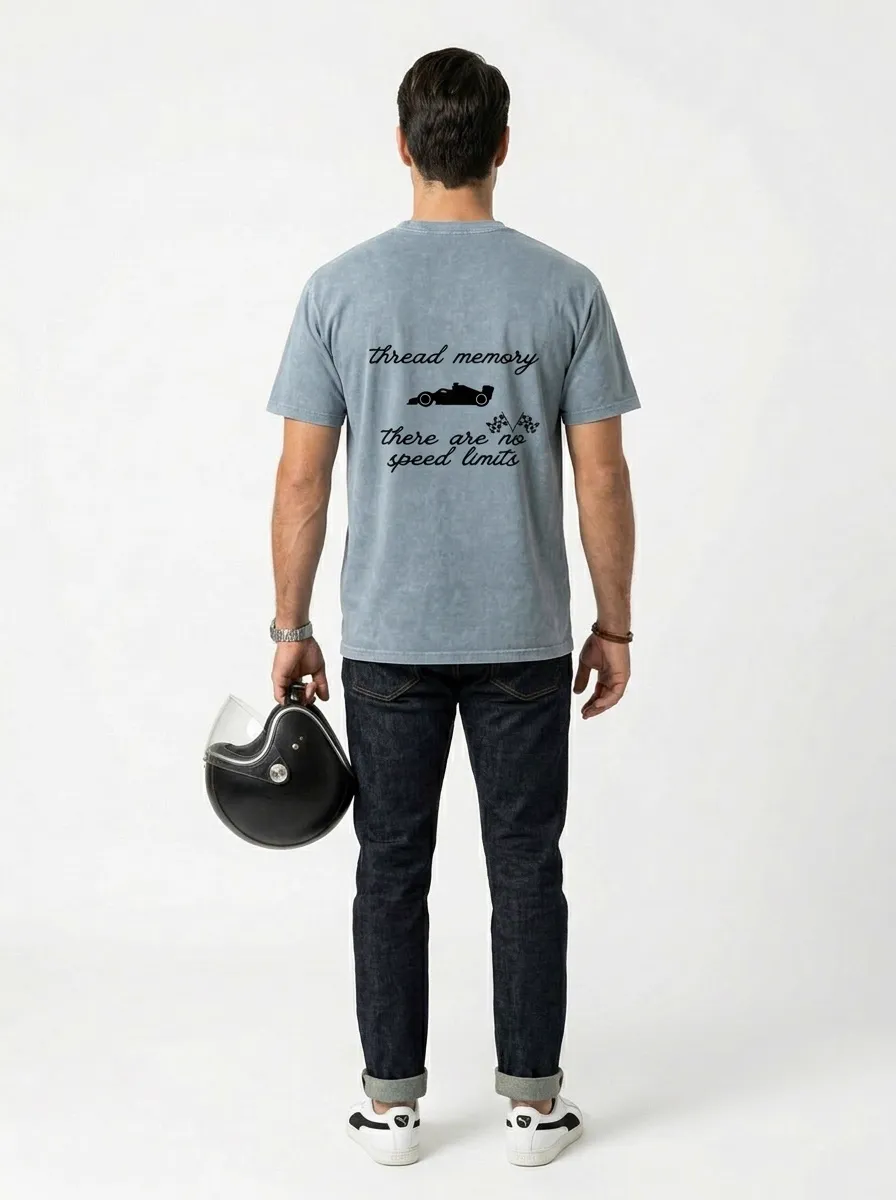
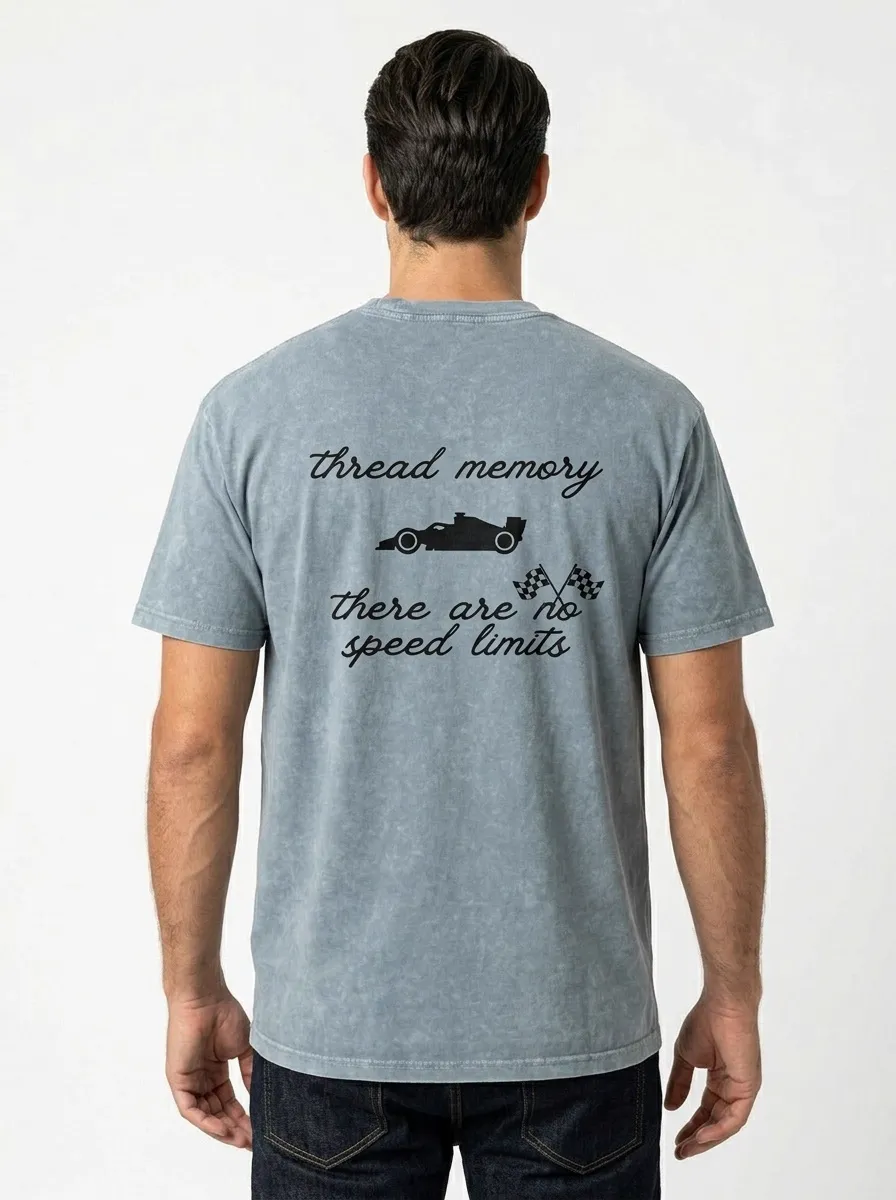
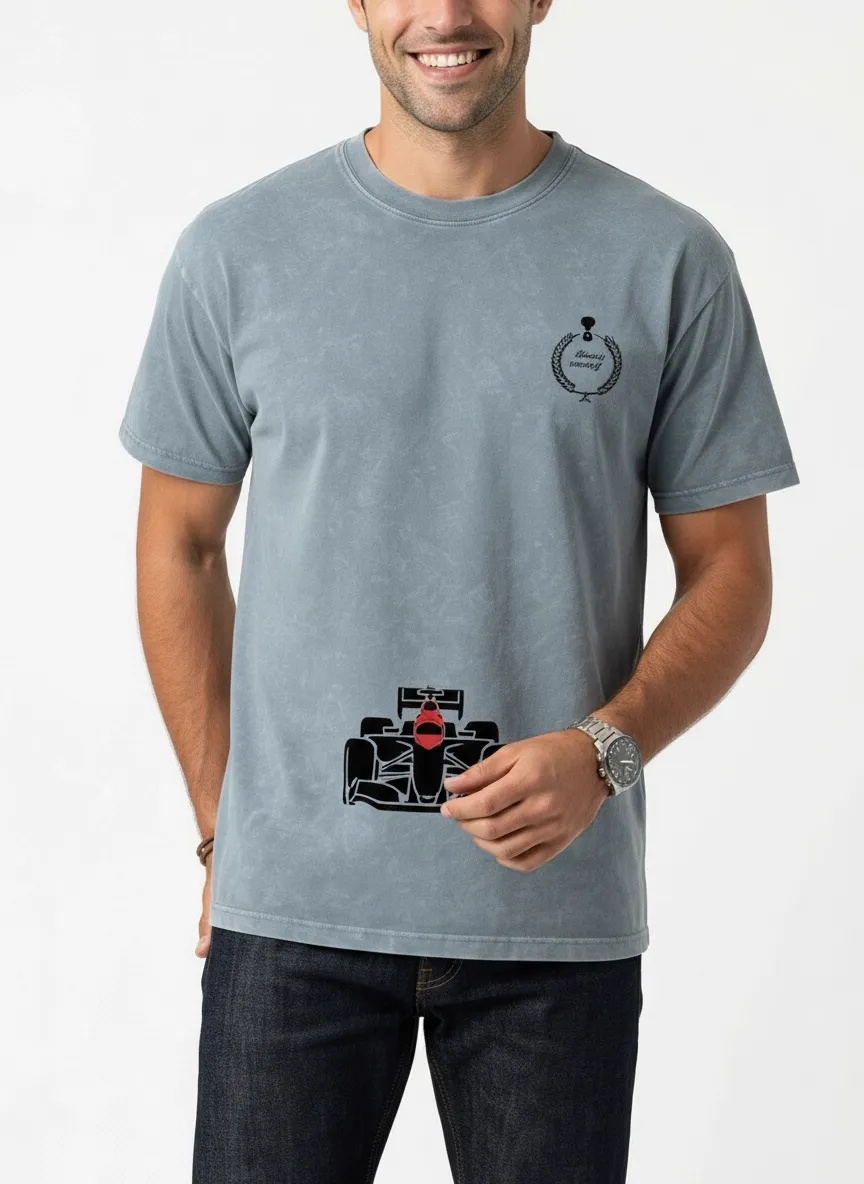
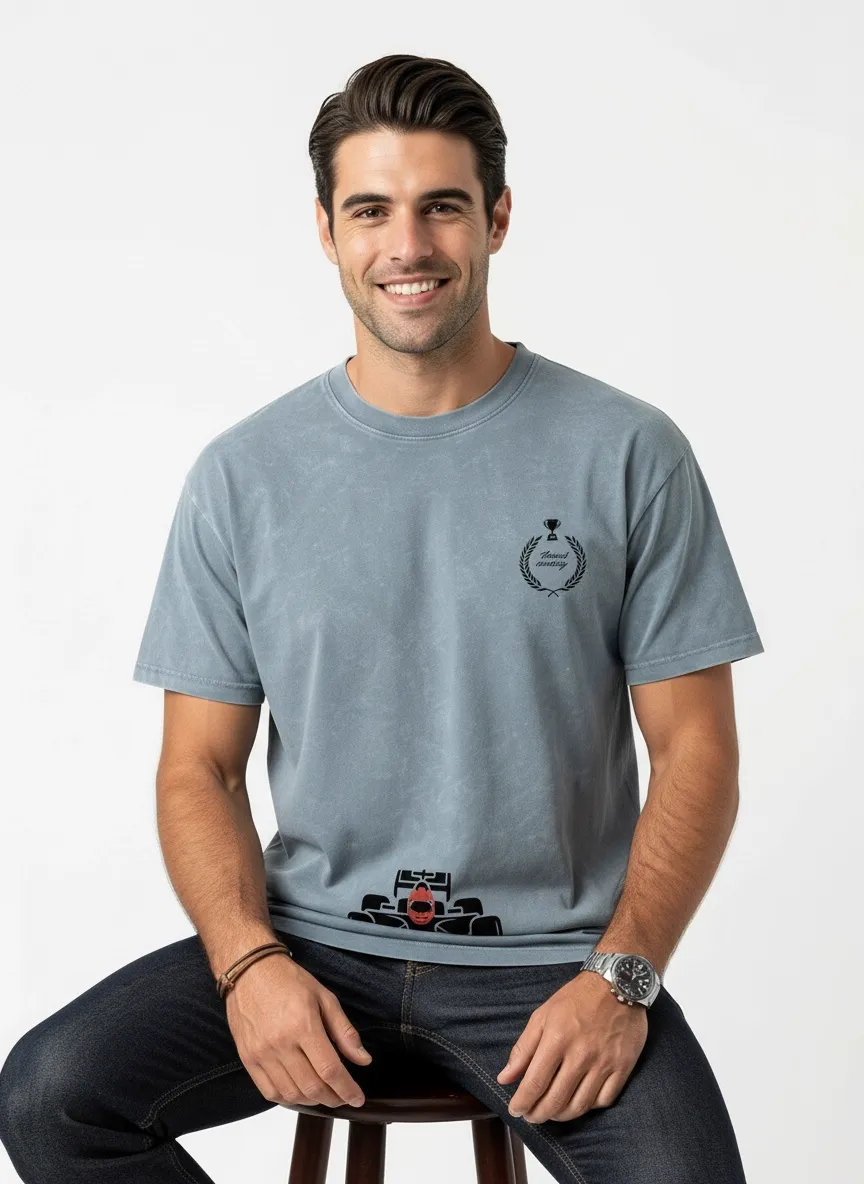
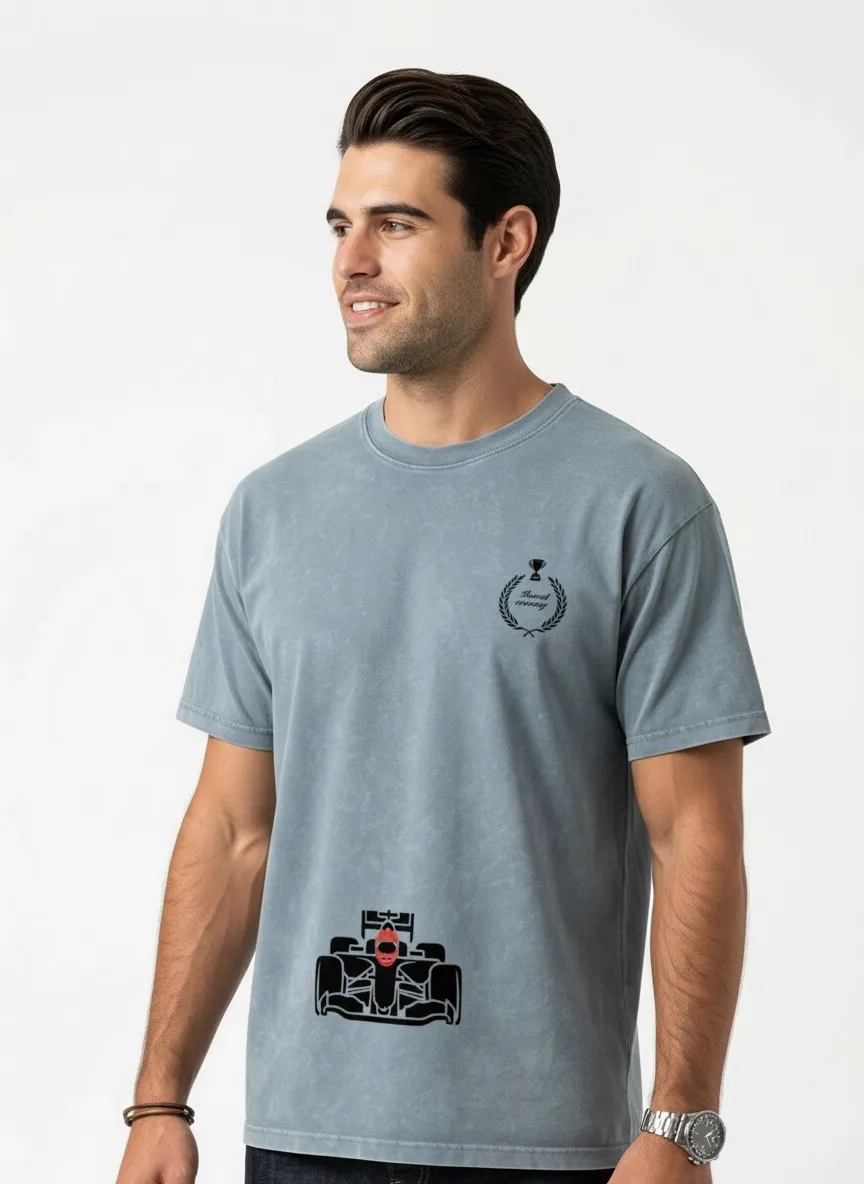
Nine additional angles from the same upload. Every pose shares the same model, lighting, and styling.
Why On-Model Matters for Menswear
A flat lay shows a garment. An on-model image shows how it fits. For menswear, where cut and drape vary wildly between a slim-fit tee and an oversized hoodie, this difference drives purchase decisions.
Research from LetsEnhance found that 60% of product returns happen because the item looks different from its online photos. On-model photography closes that gap by showing real proportions, sleeve length on an arm, hem fall at the hip, collar shape on a neck.
JOOR transaction data goes further: styles with 6 or more photo assets result in 2x more units ordered compared to styles with fewer images. For menswear brands stuck at 1–2 flat lays per SKU, that’s revenue left on the table.
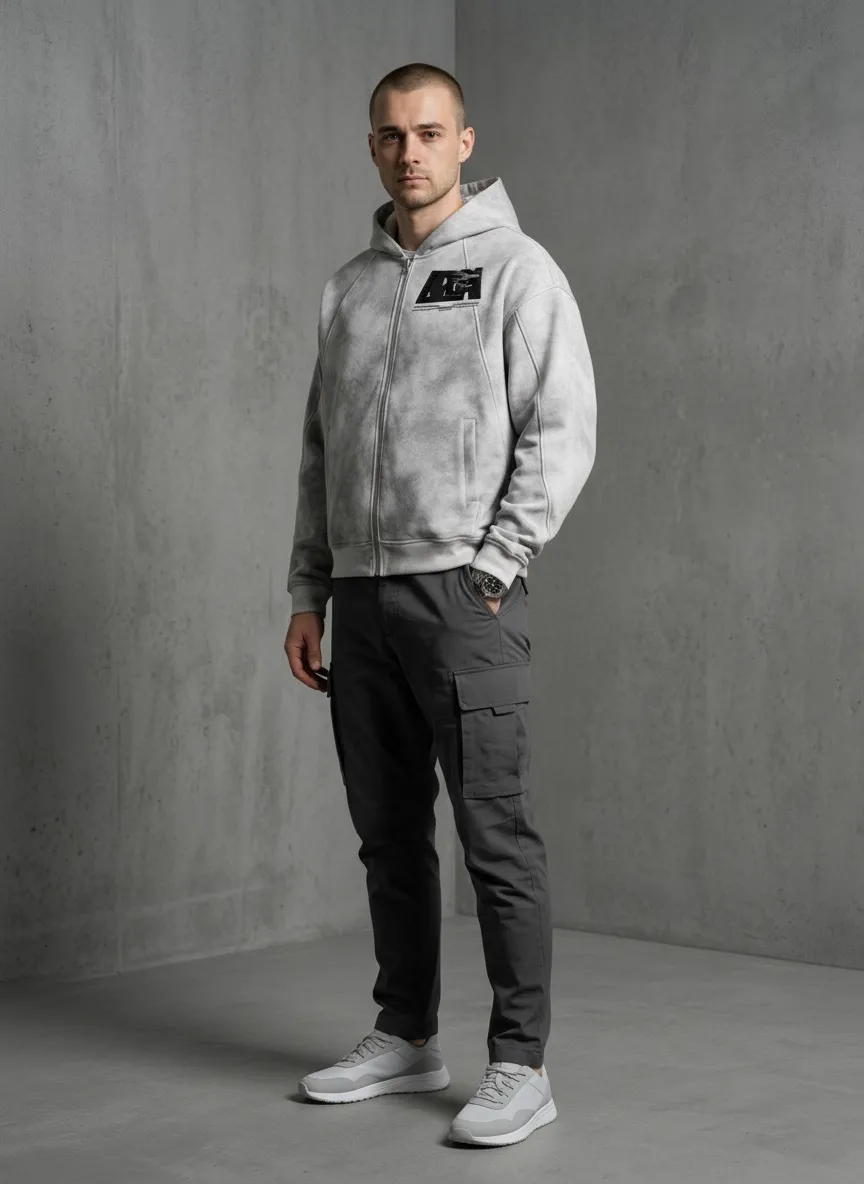
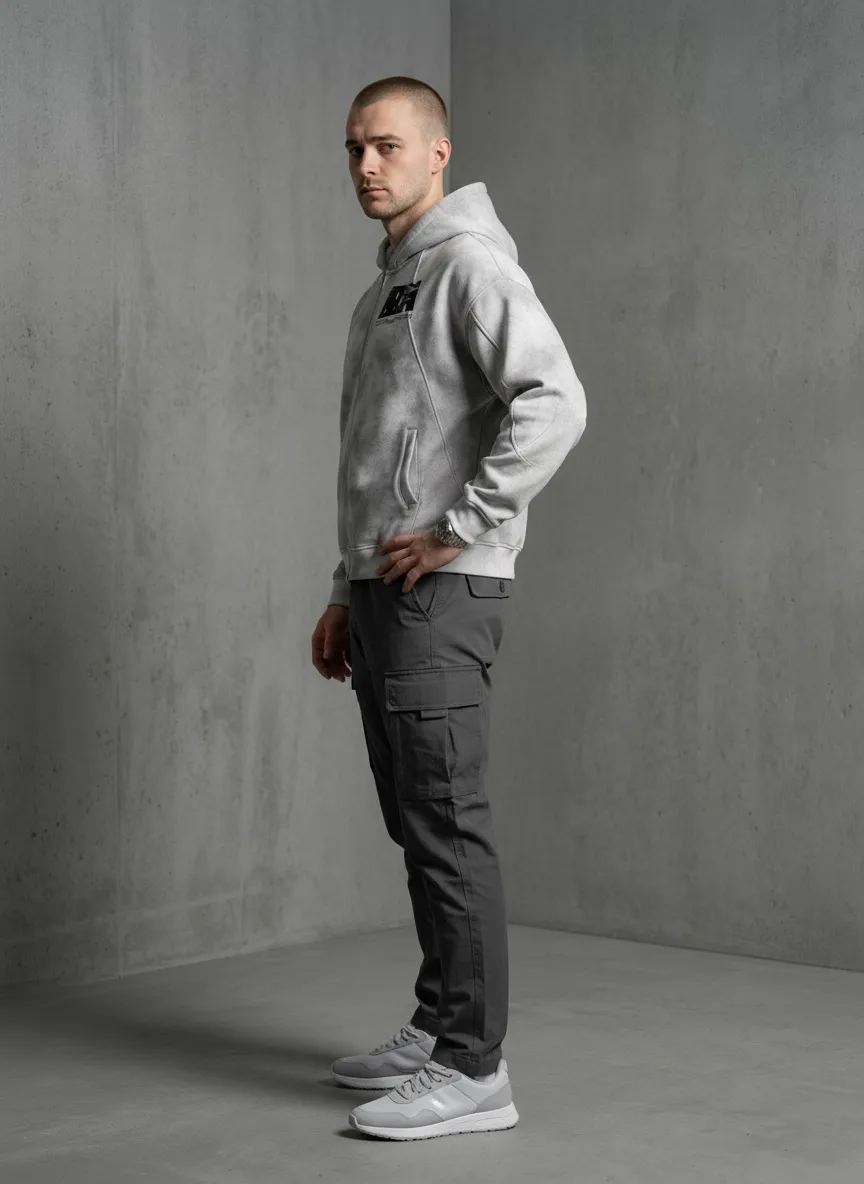
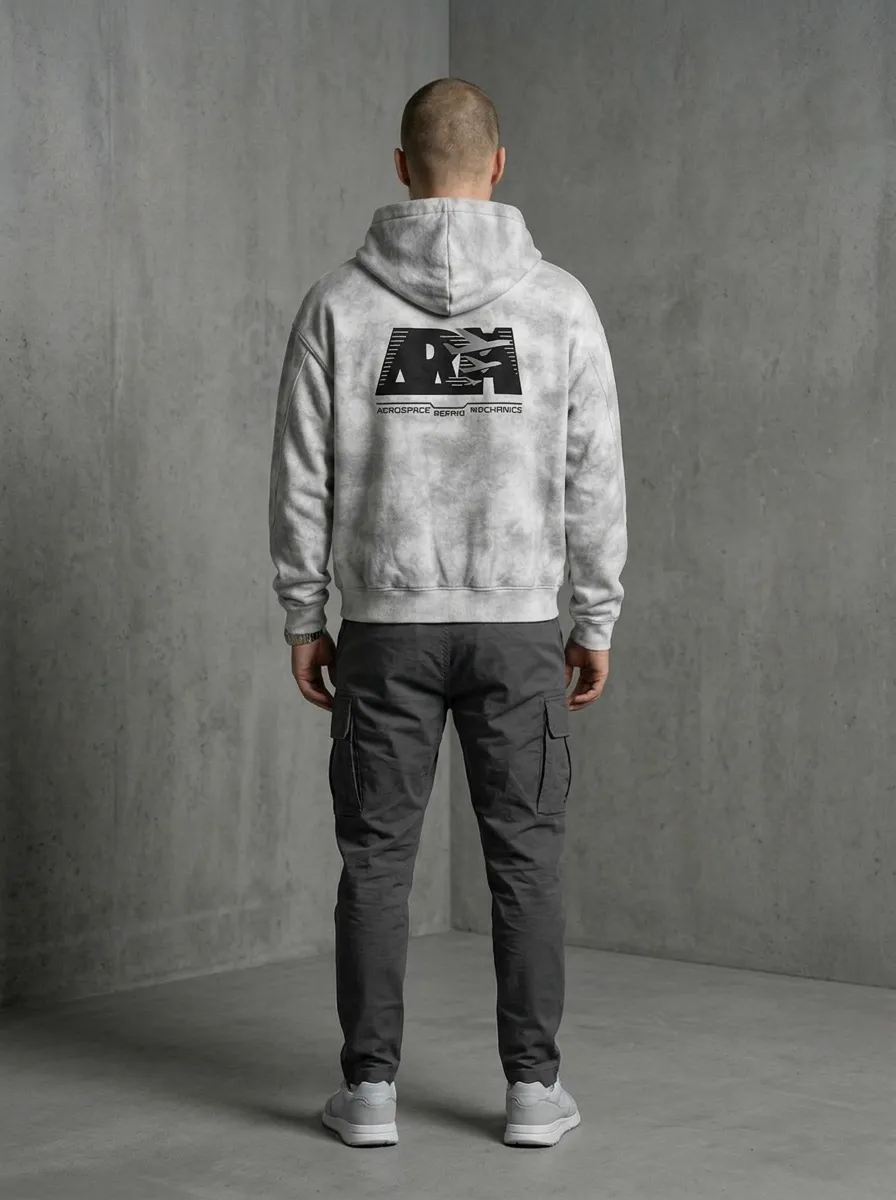
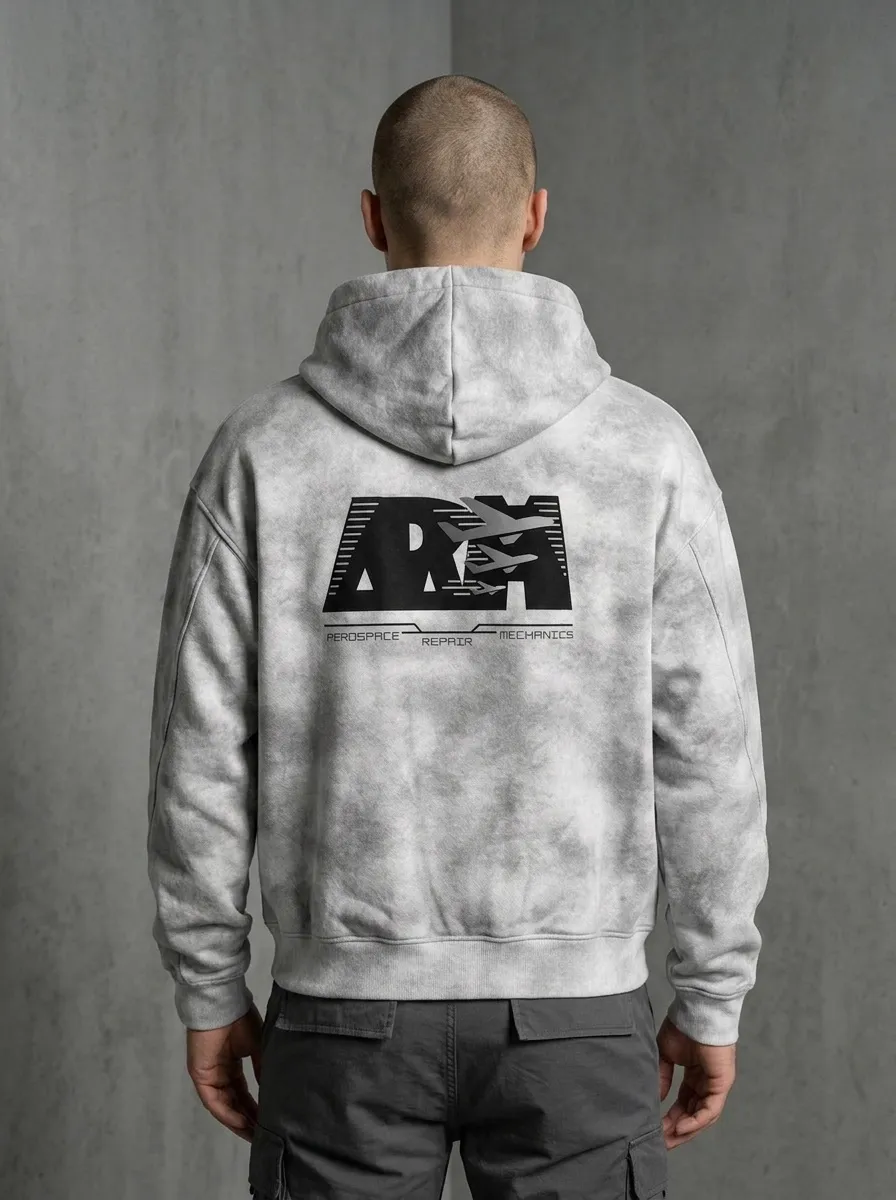
Streetwear: Zip-Up Hoodie
A tie-dye zip hoodie with a graphic logo. The flat lay shows the design. The on-model images show how it falls, how the hood sits, how the zipper lays — the details that sell a sweatshirt.
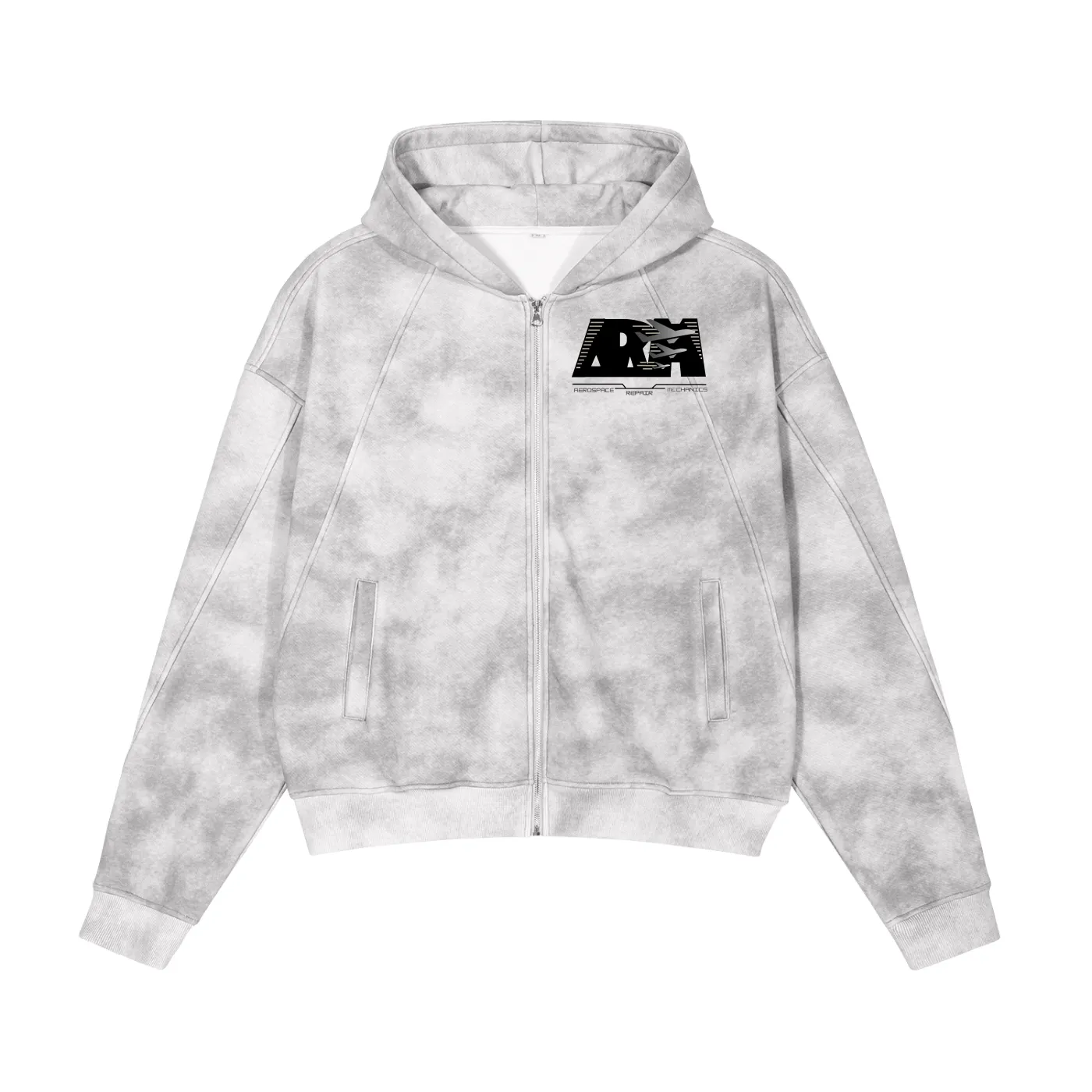
Front Input
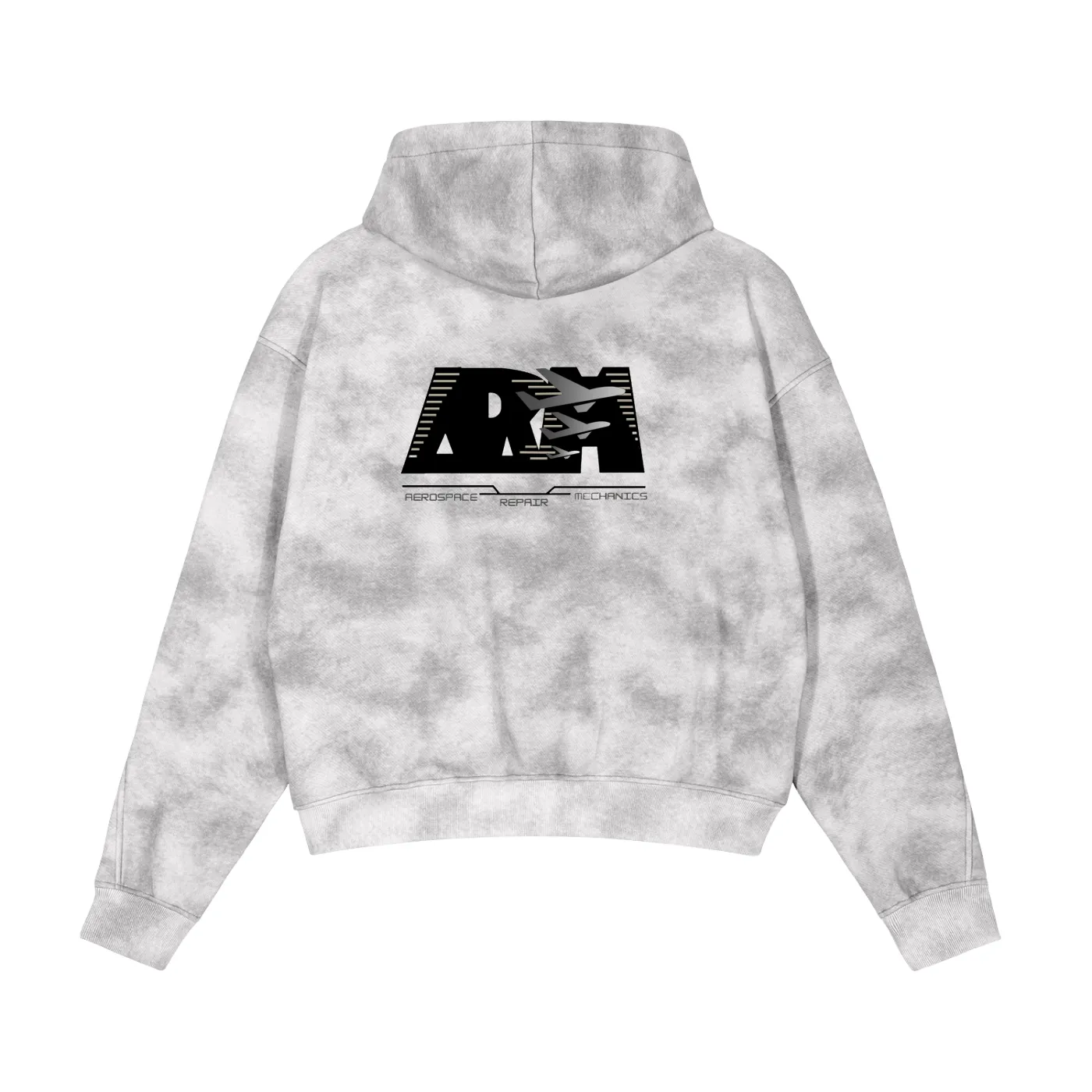
Back Input
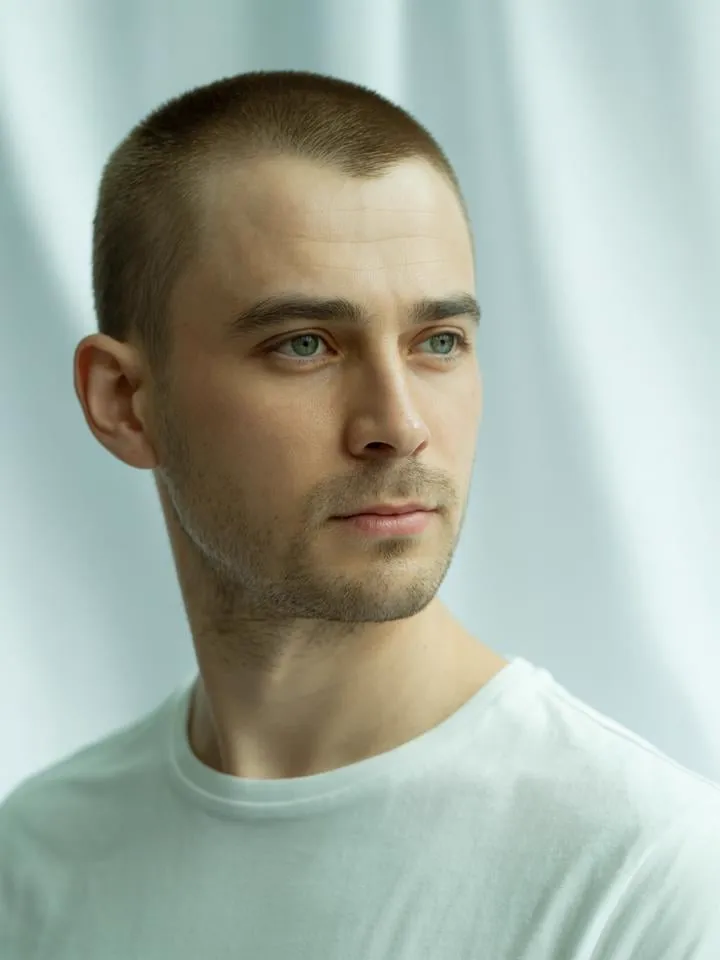
Model Reference
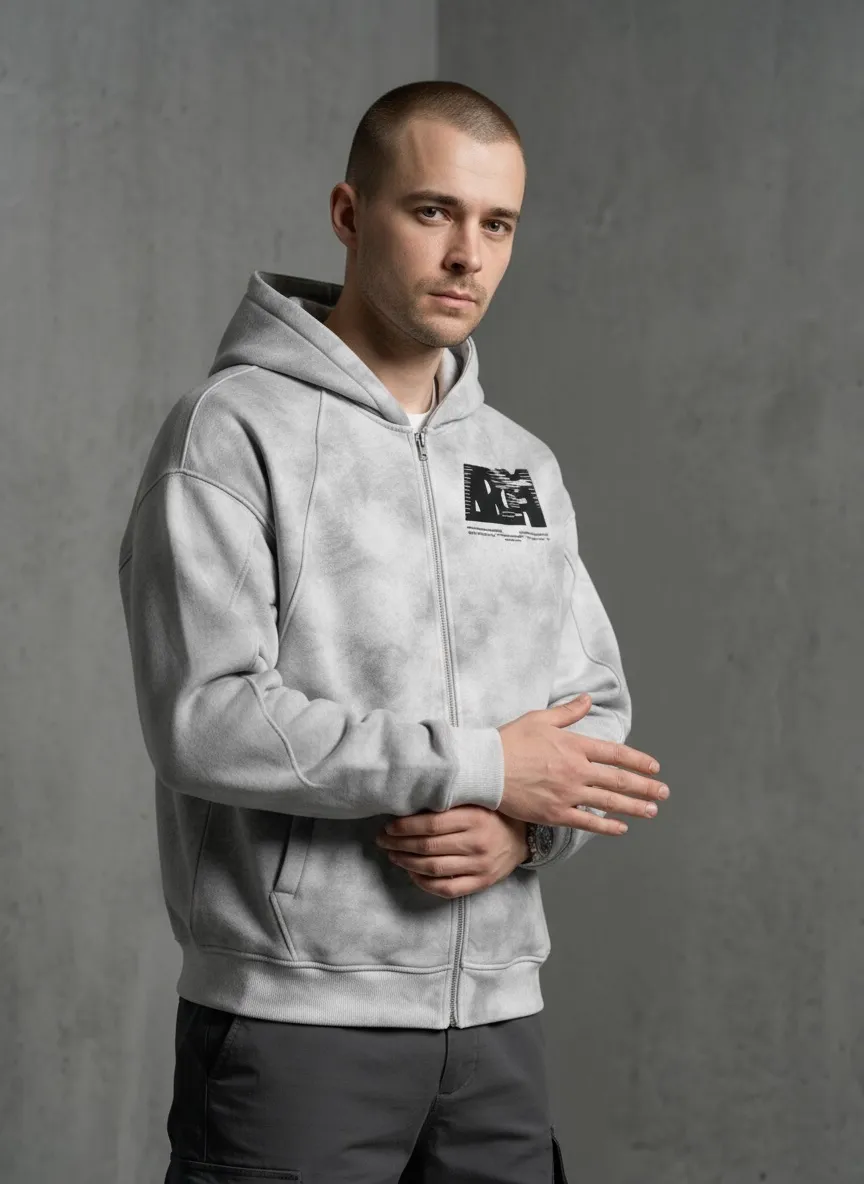
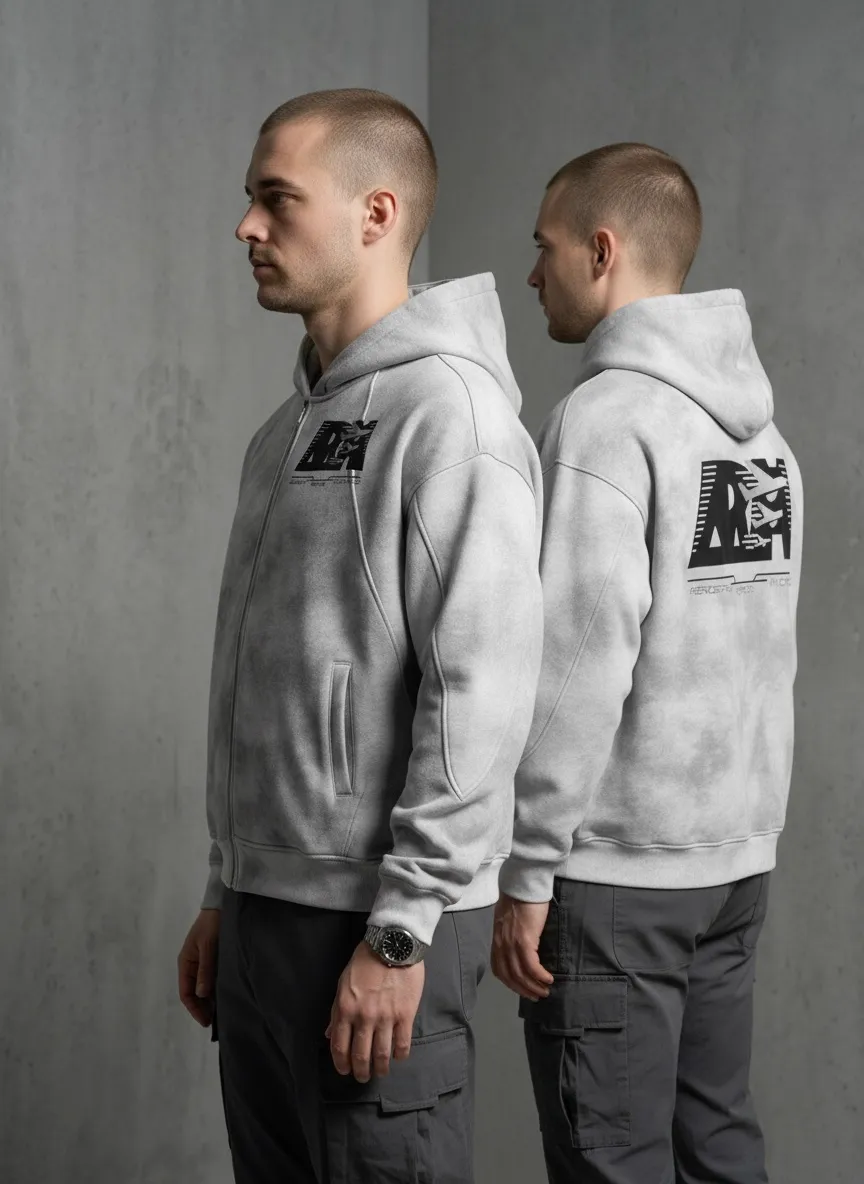
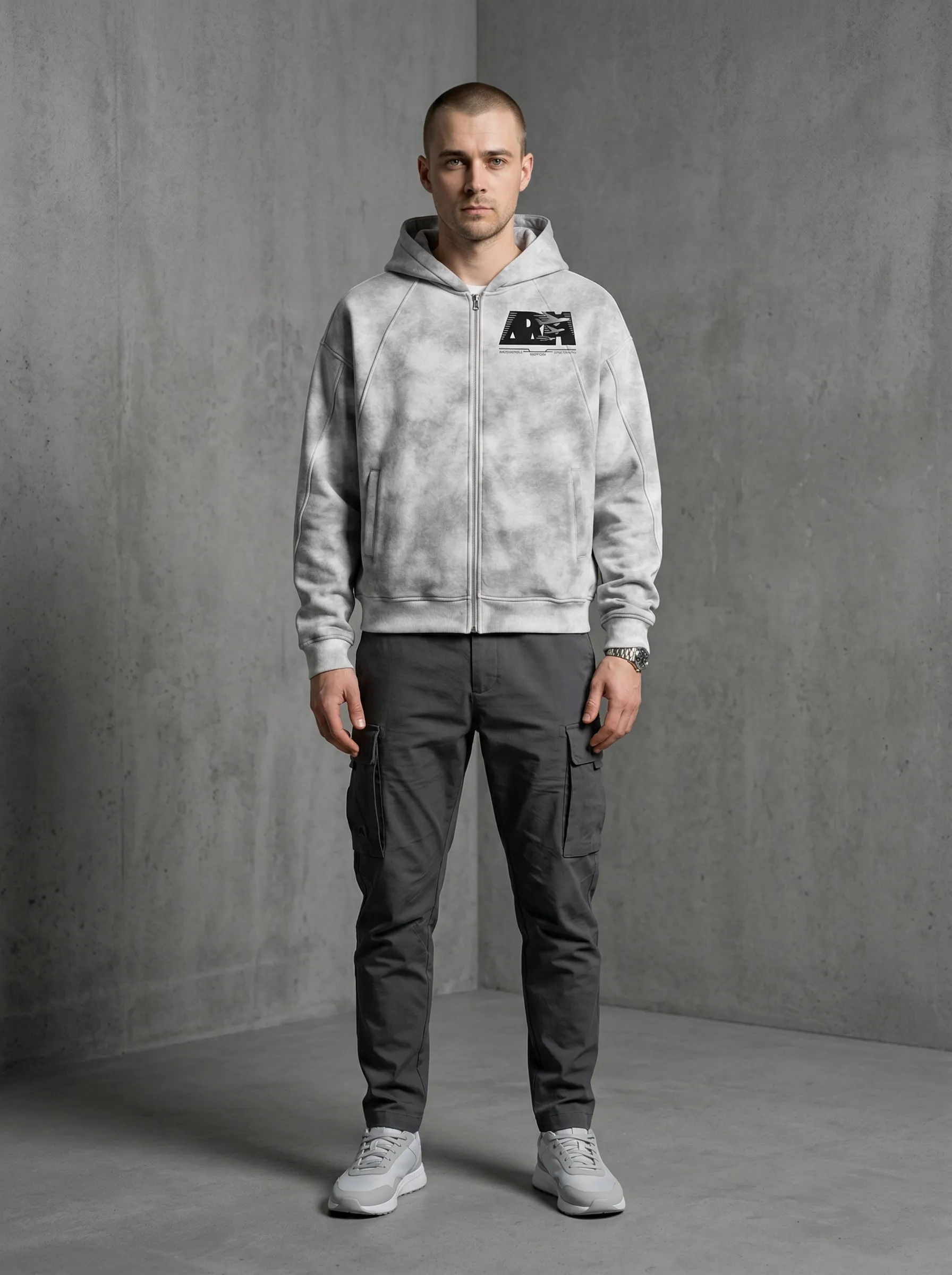
Same garment, in motion. AI-generated video from the same input.
Diversity at Scale
Traditional catalog shoots lock you into one model per session. Rebooking means restarting — new scheduling, new fees, new coordination. With AI, switching the model is as simple as swapping the face reference.
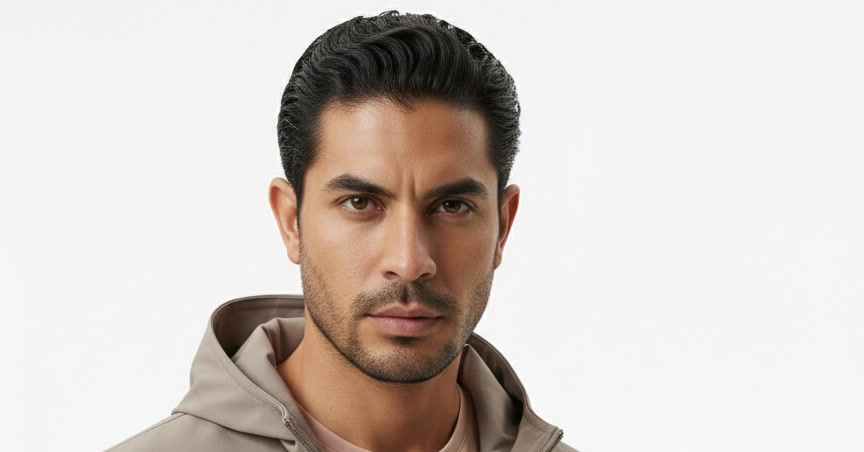
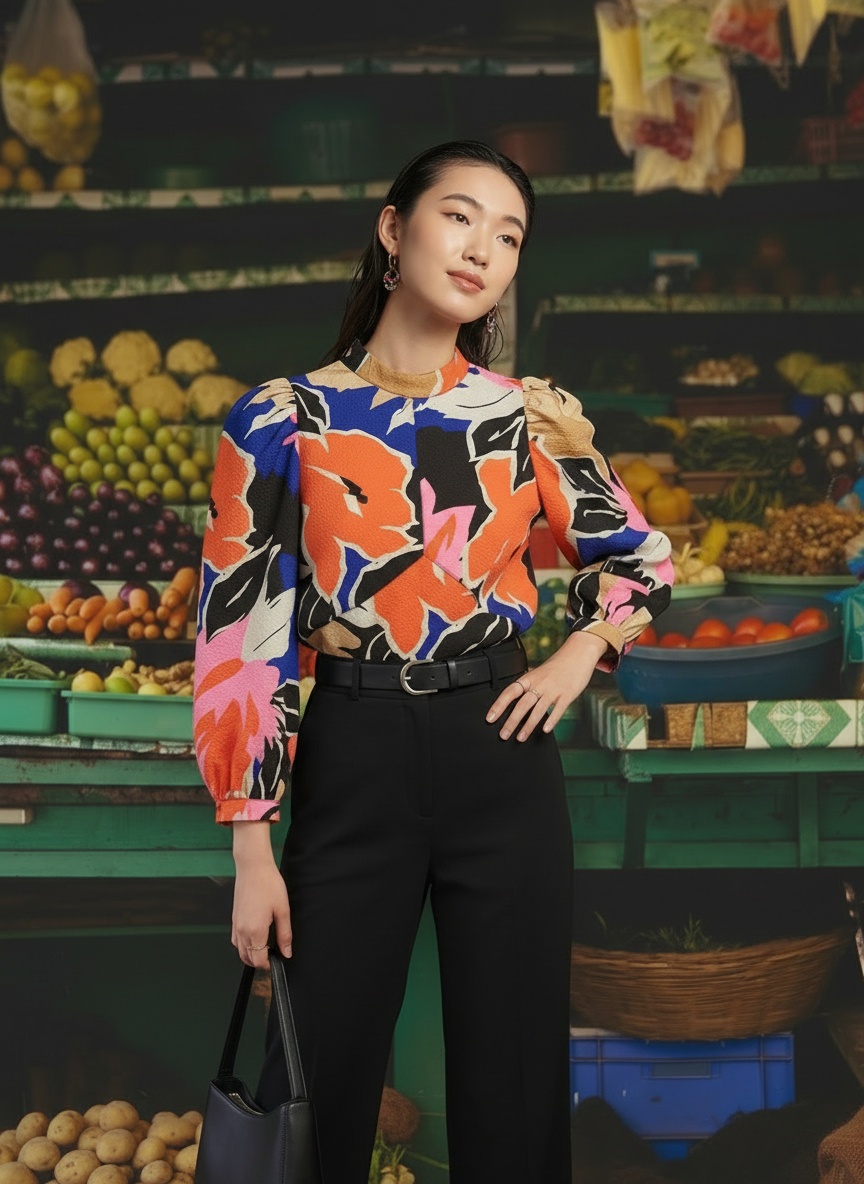
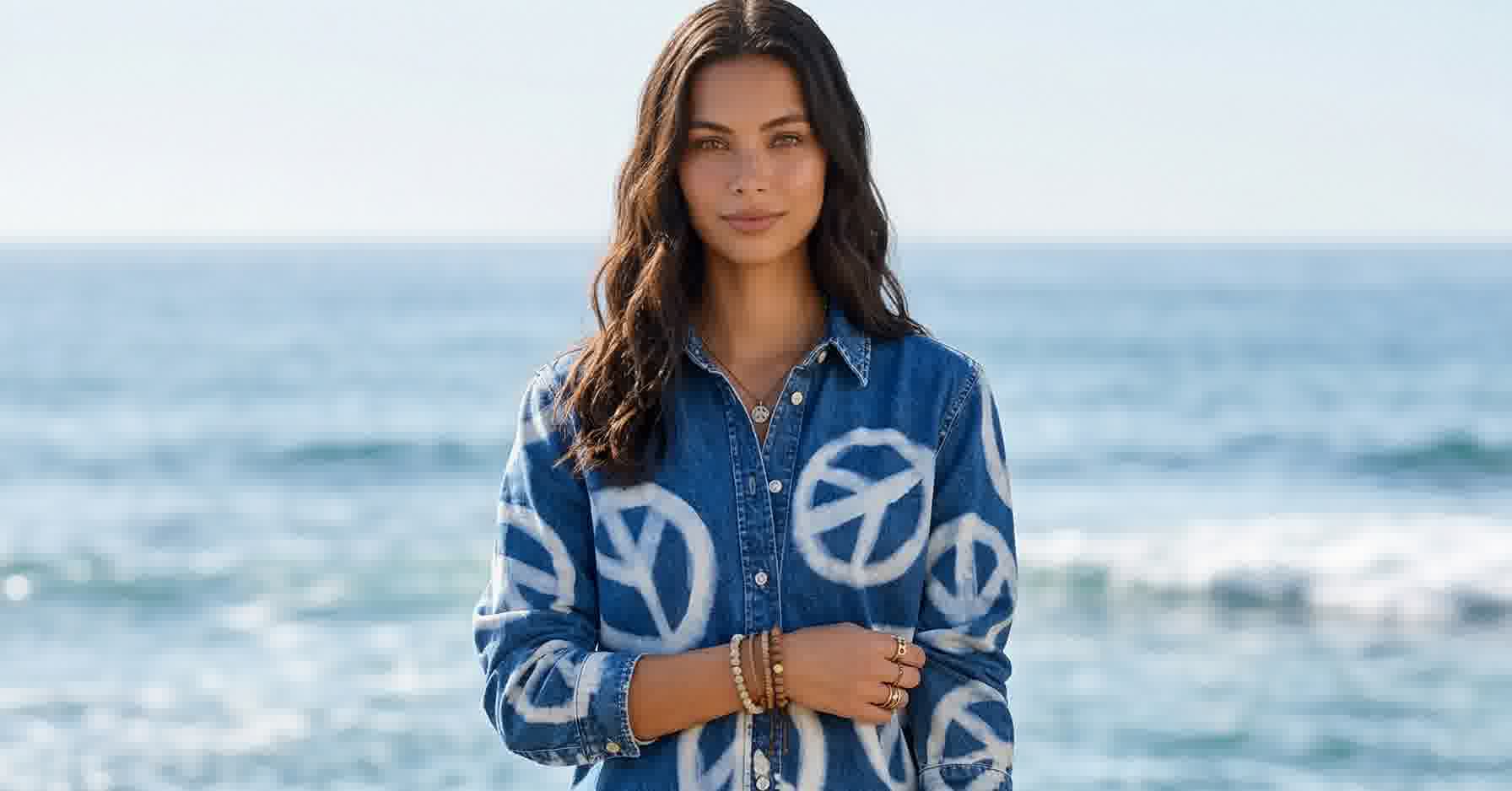
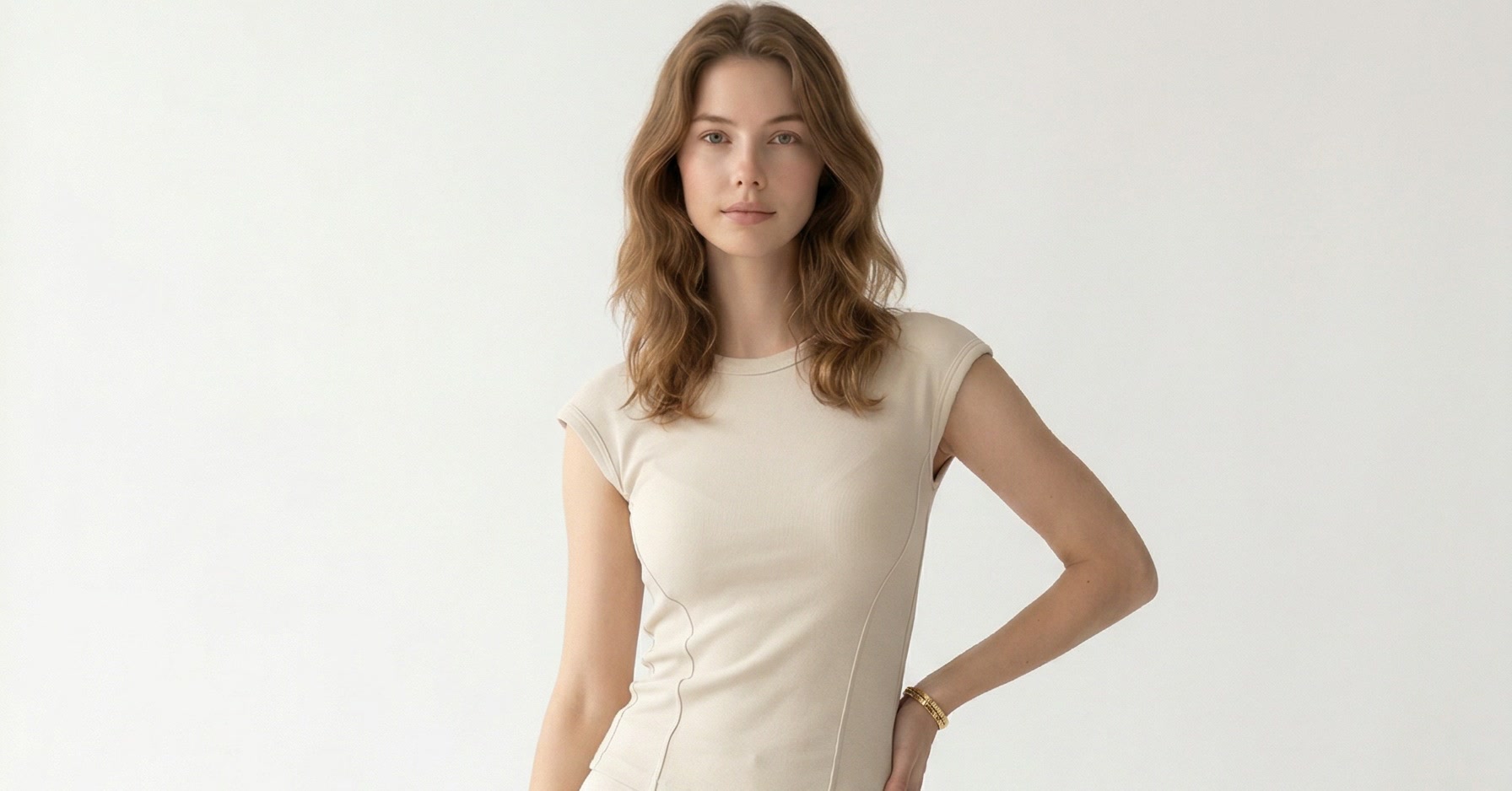
These four sets use four different AI model faces. Different ethnicities, different looks, different energy. Same workflow, same speed, same cost per image. The AI model library lets you match your model to your customer demographic — or test multiple looks to see what converts best.

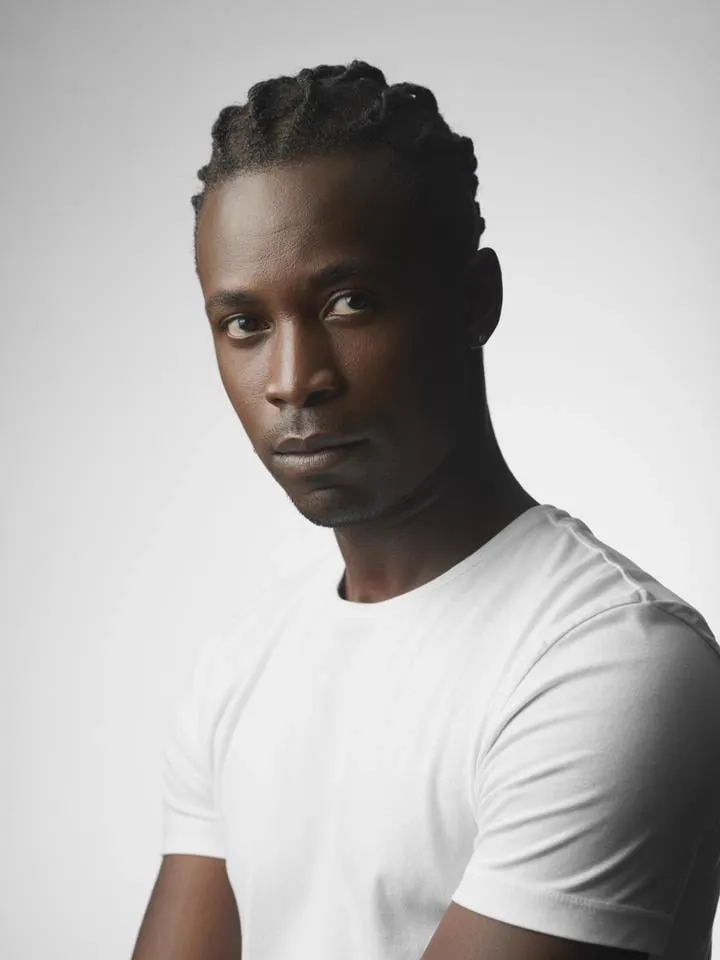
Four face references, four distinct looks. Each one produces a complete, consistent catalog set.
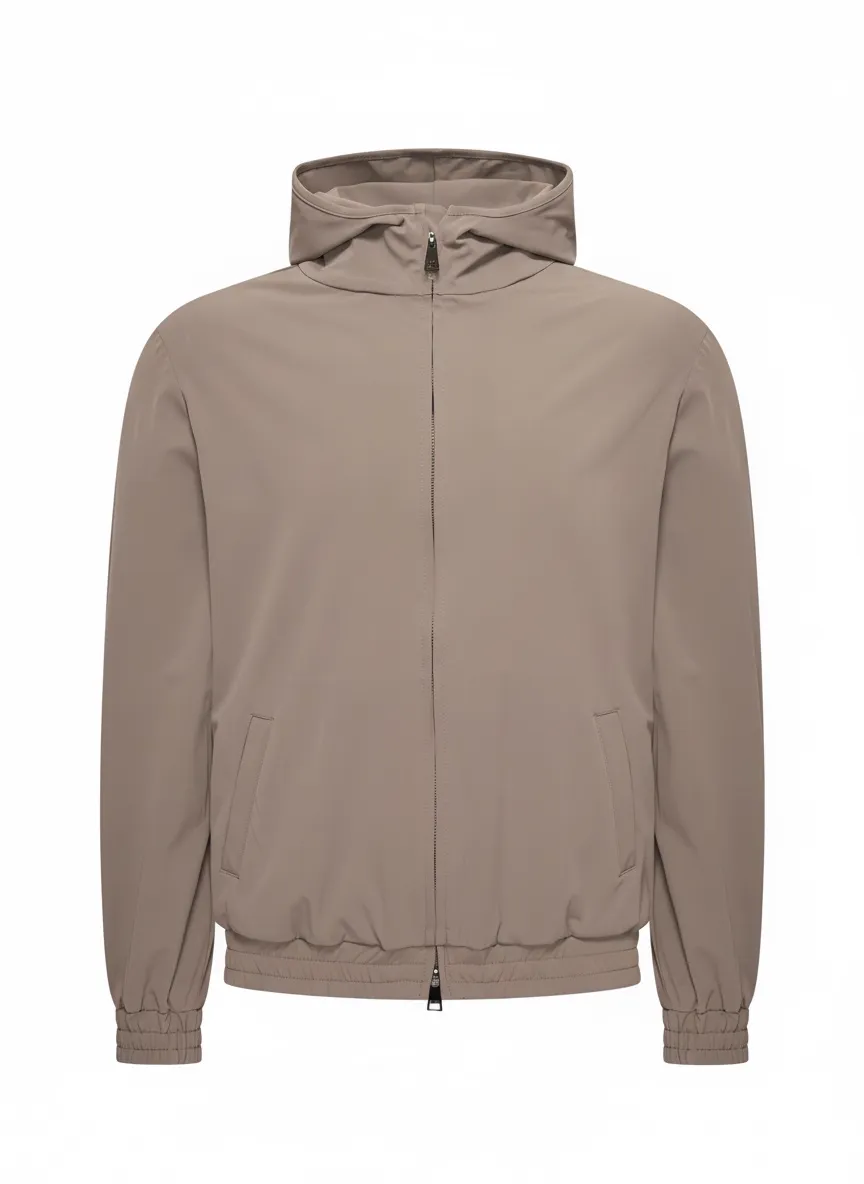
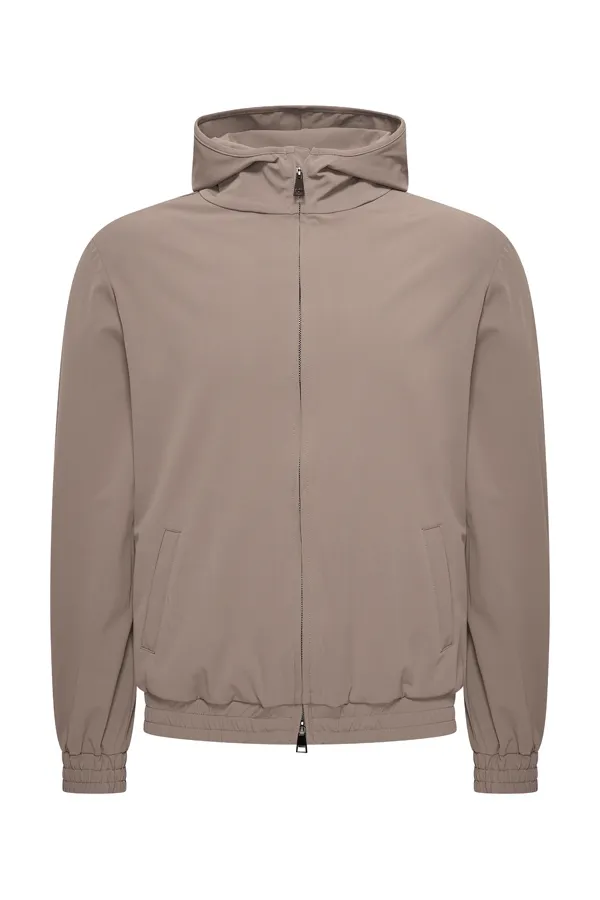
Athleisure: Hooded Windbreaker
A minimal beige windbreaker. Clean lines, technical fabric, no visible branding. This is the kind of garment that looks unremarkable on a hanger — and comes alive on a model.
Front Input
Back Input
Model Reference
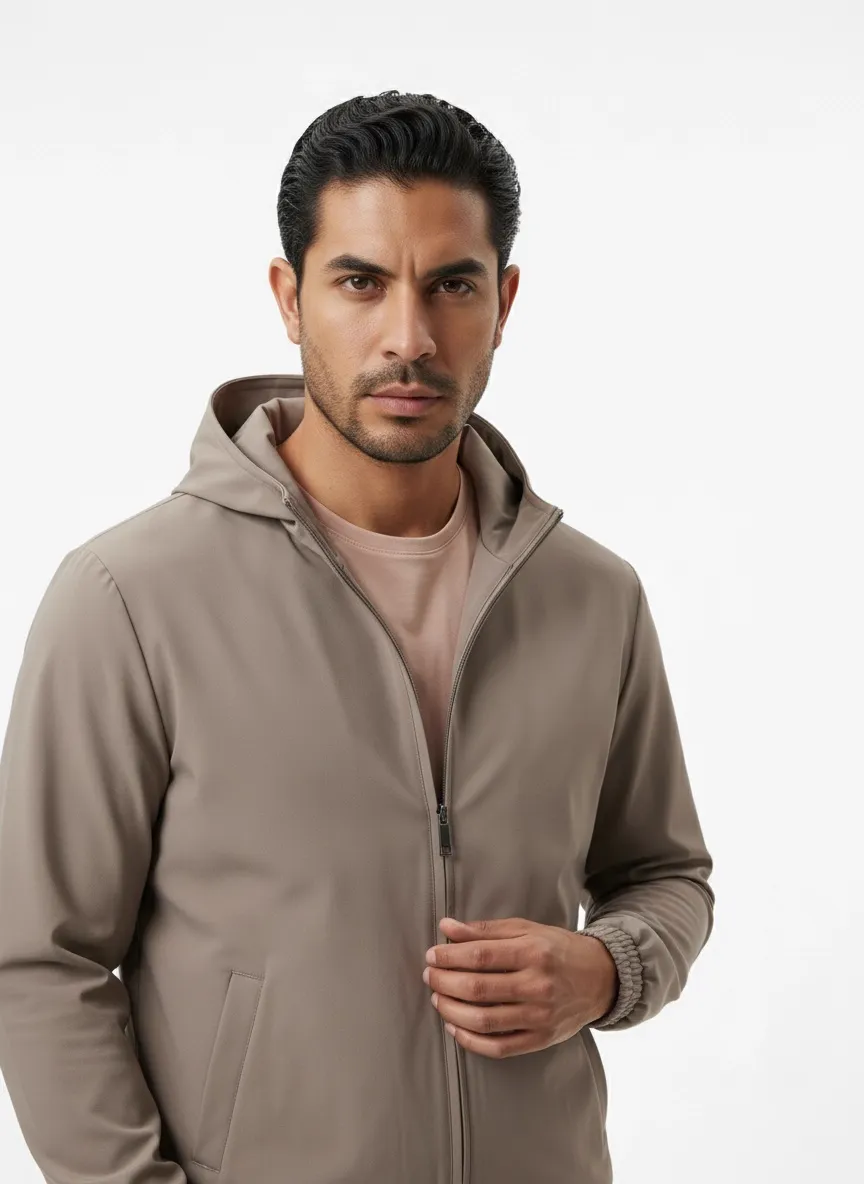
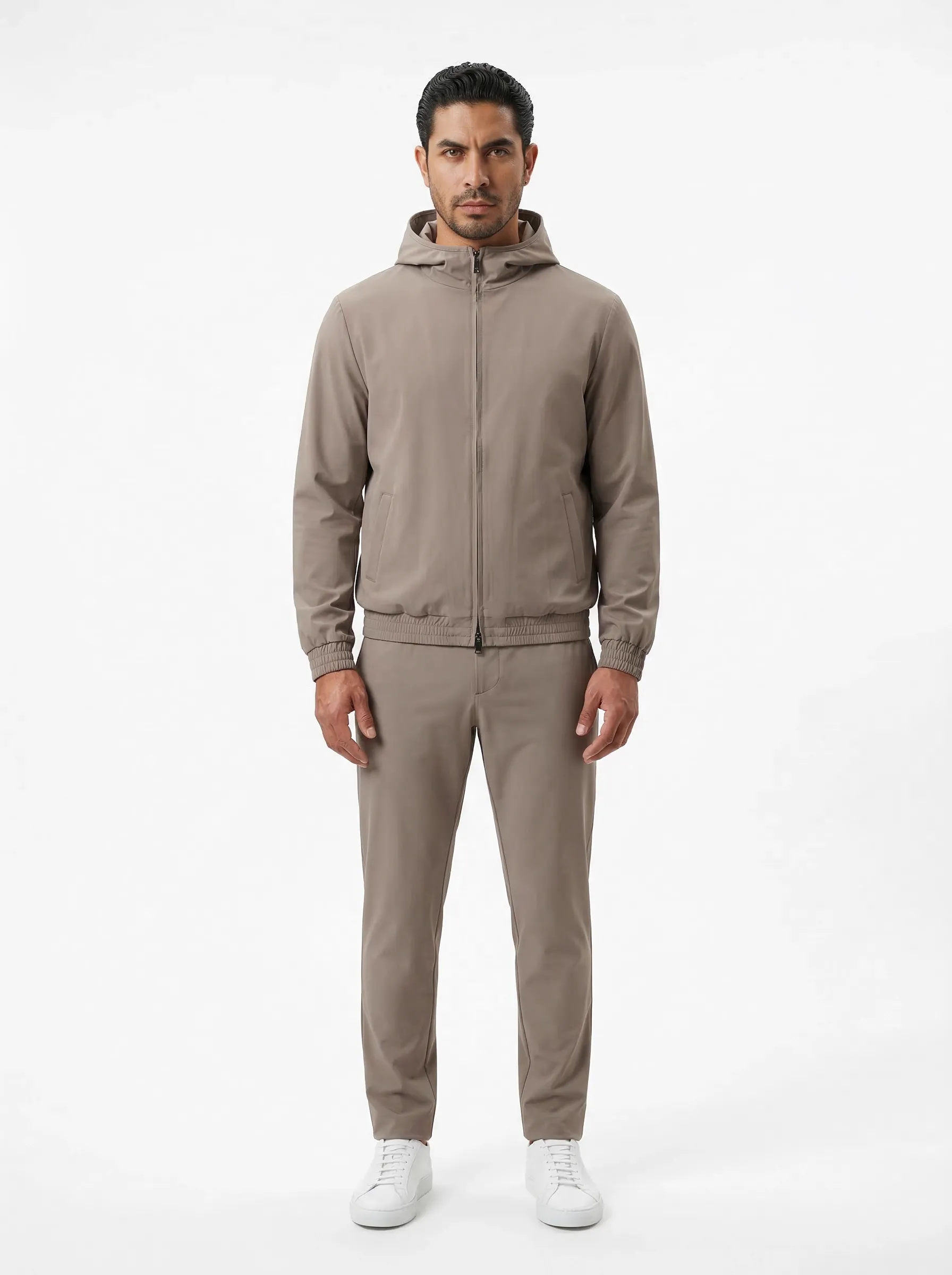
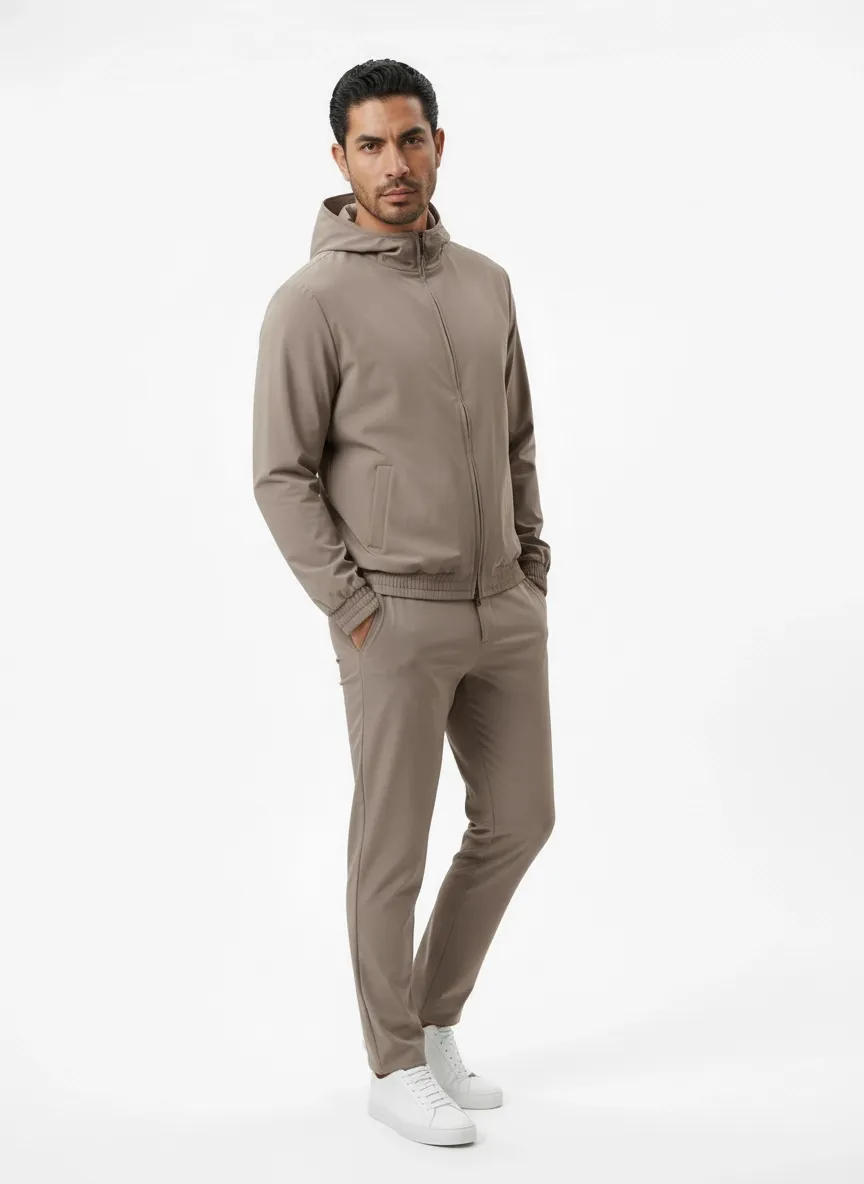
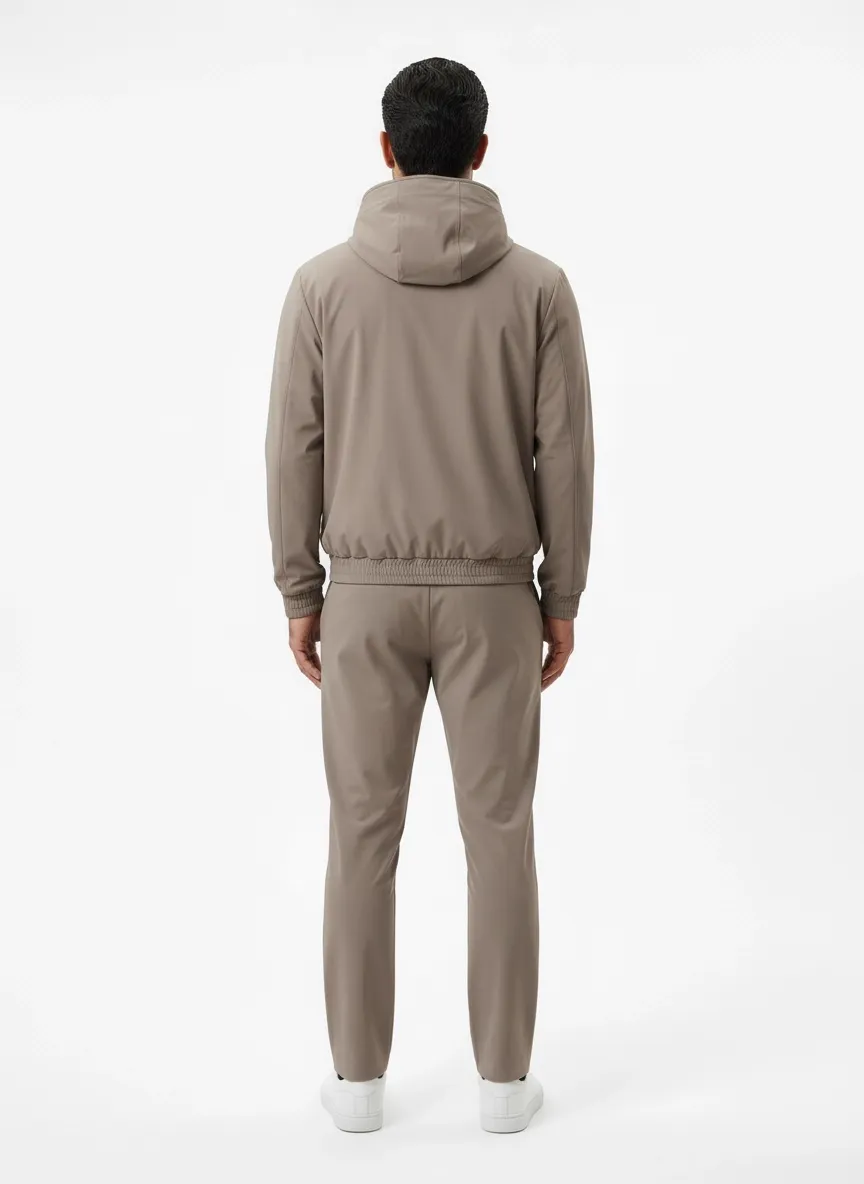
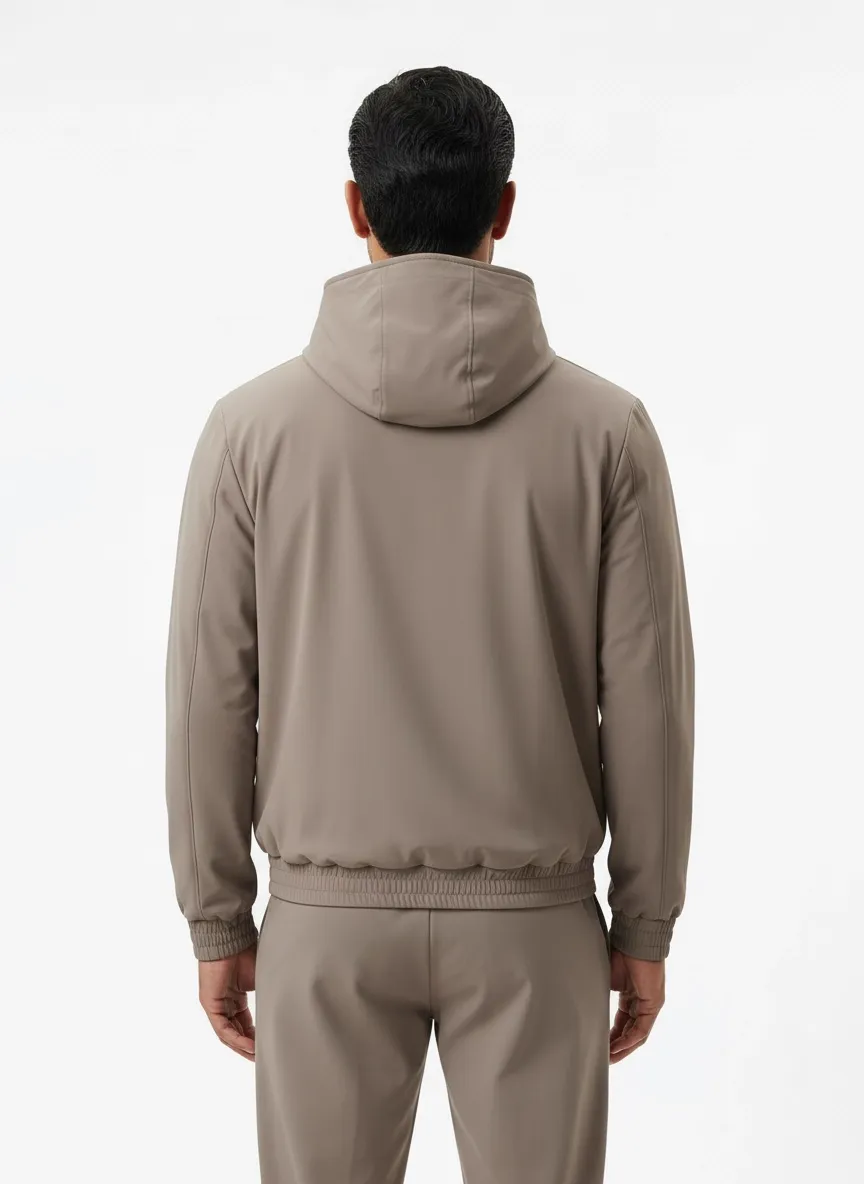
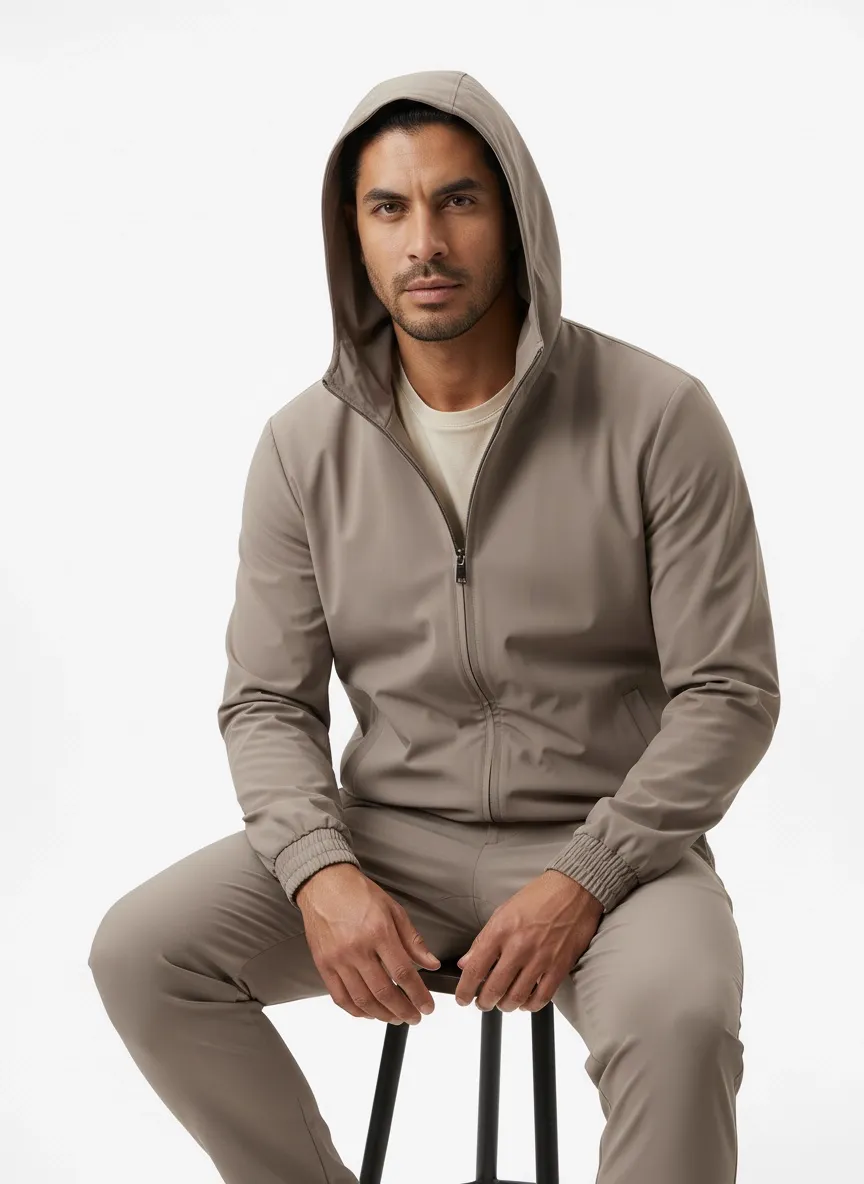
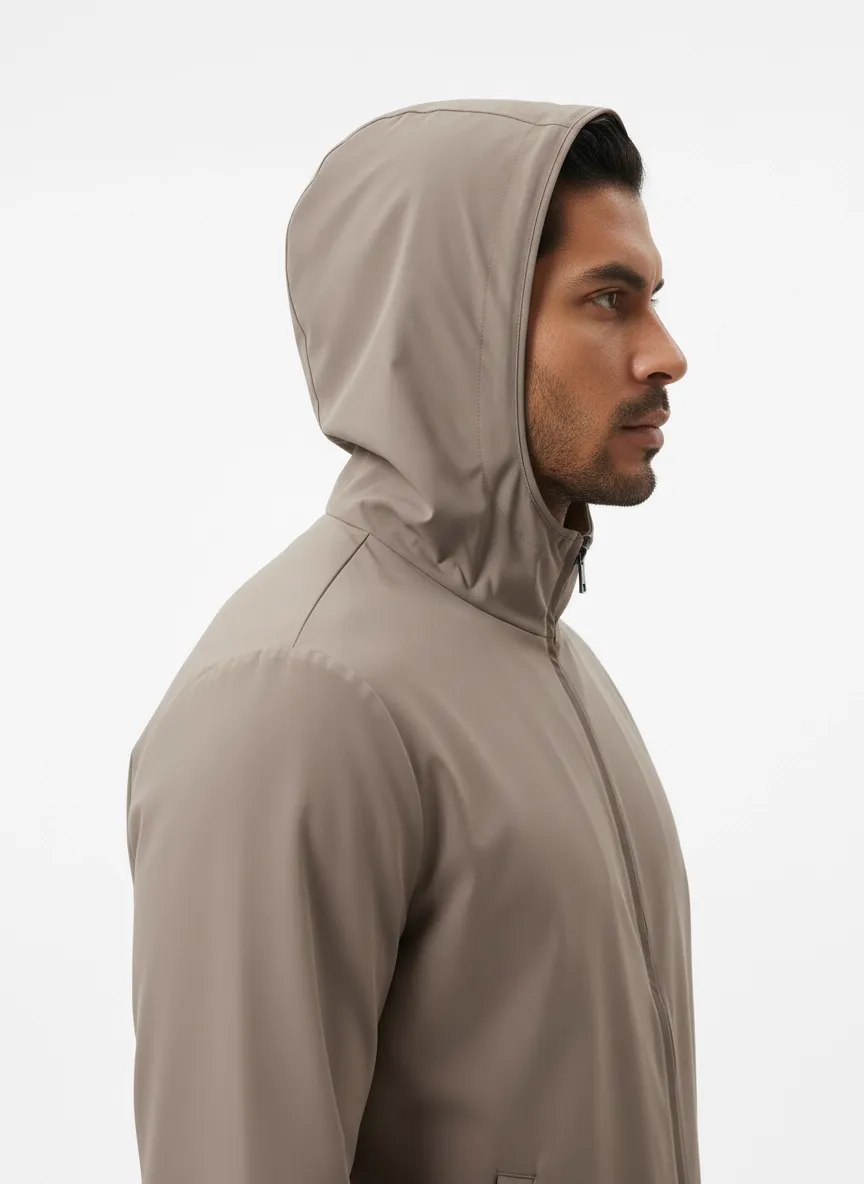
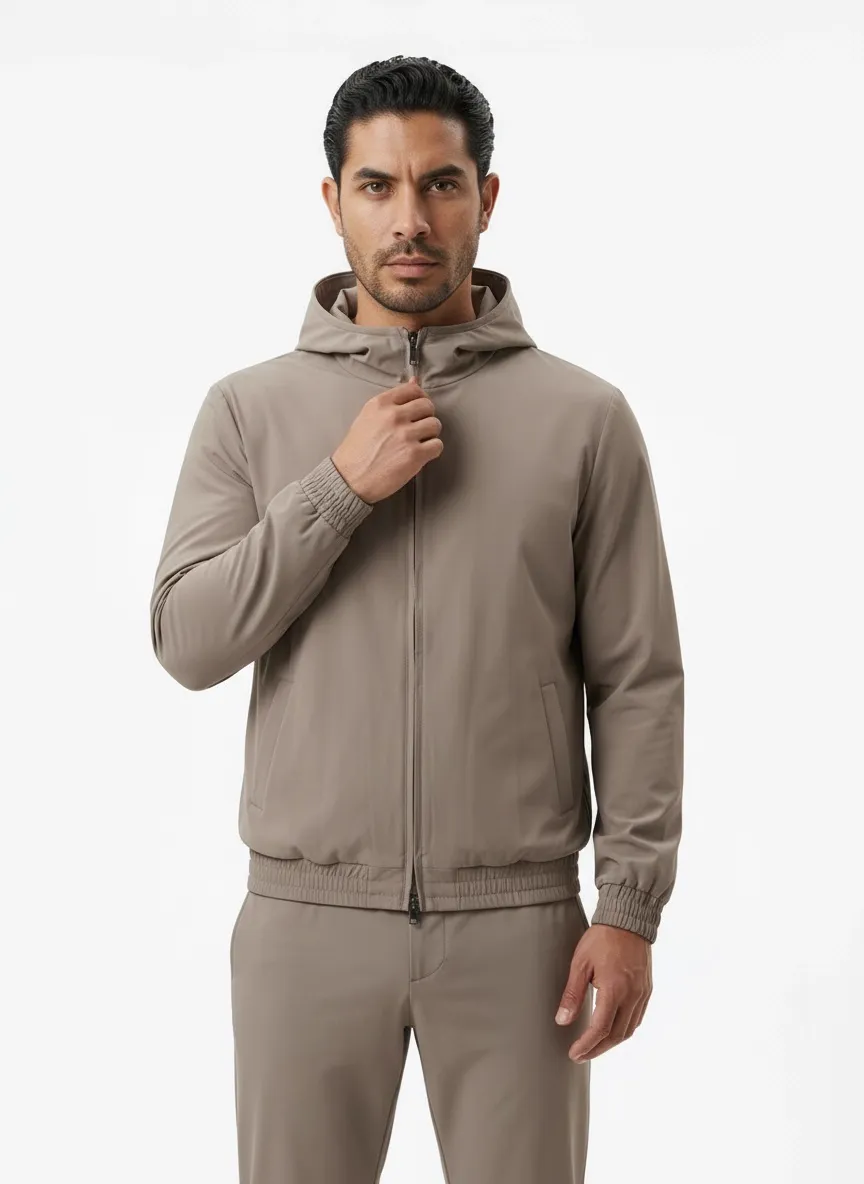
Technical fabric, clean cut — the fit tells the story that a flat lay cannot.
The Fastest-Growing Segment Deserves Better
Menswear ecommerce is projected to eclipse other fashion segments in growth through 2028, according to UniformMarket. Yet most menswear product pages still run on 1–2 images. The category is growing faster than the photography keeping up with it.
2x
more units ordered
for styles with 6+ photo assets vs fewer images — JOOR transaction data
The economics have always been the blocker. Traditional menswear on-model photography costs $50–$200 per final image. A 200-SKU catalog with 7 images each? Six figures. AI drops that cost to about $0.10 per image — the same coverage, from a phone photo of the garment. See how the workflow works.
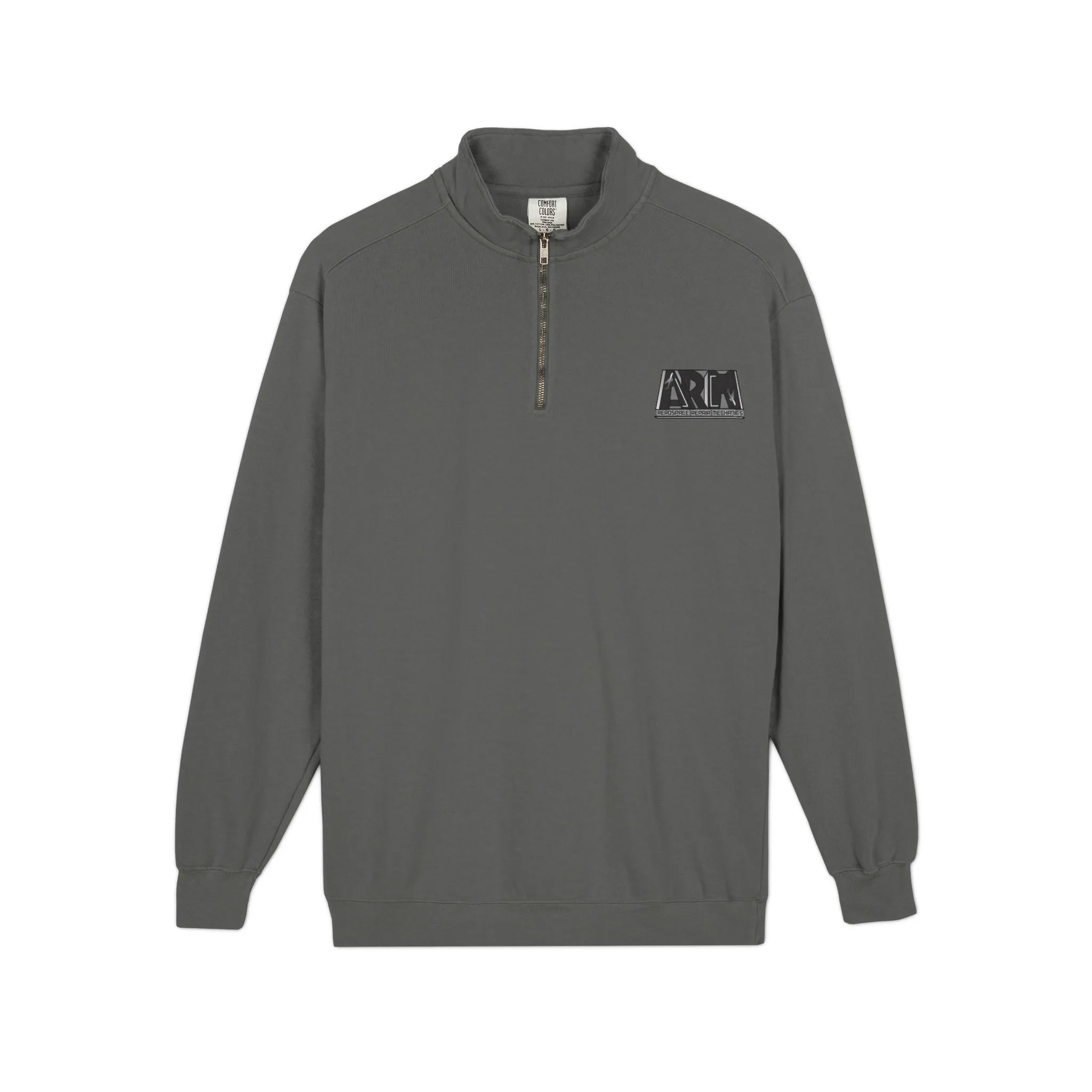
Everyday Essentials: Quarter-Zip Fleece
An olive quarter-zip with a chest graphic. Basic, versatile, hard to photograph in a way that makes someone click “add to cart.” On a model, paired with the right bottoms and accessories, it becomes a look.
Front Input
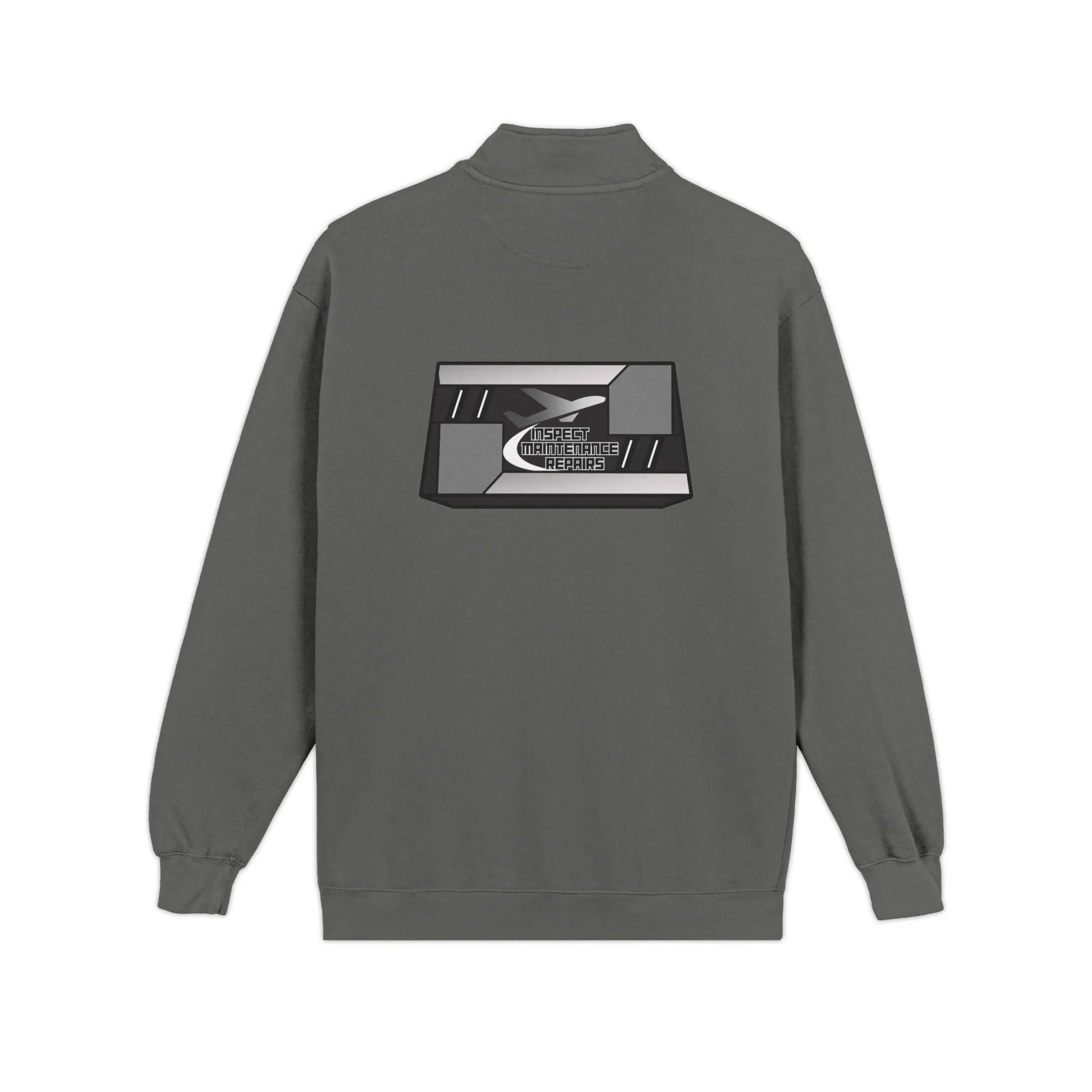
Back Input
Model Reference
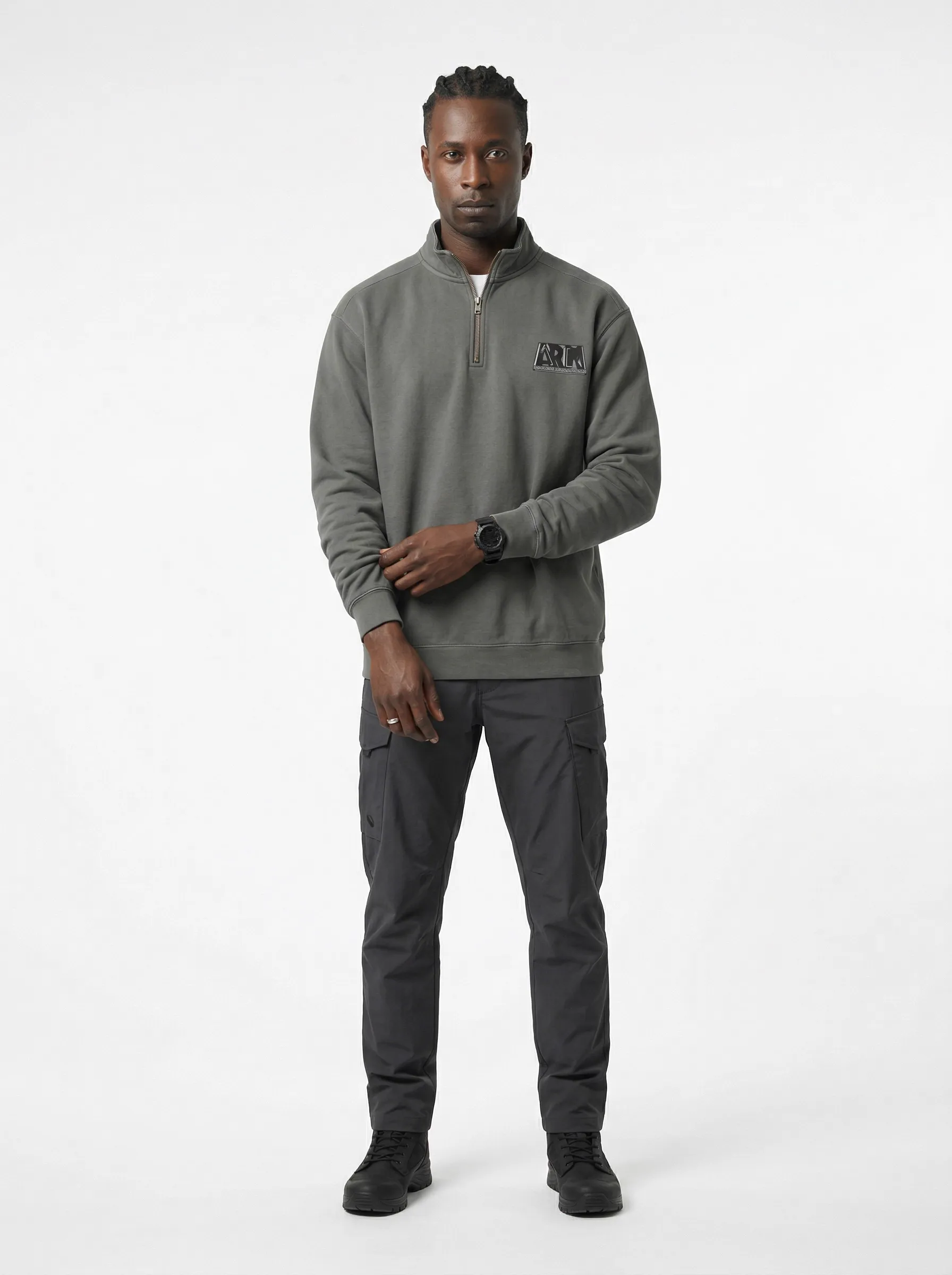
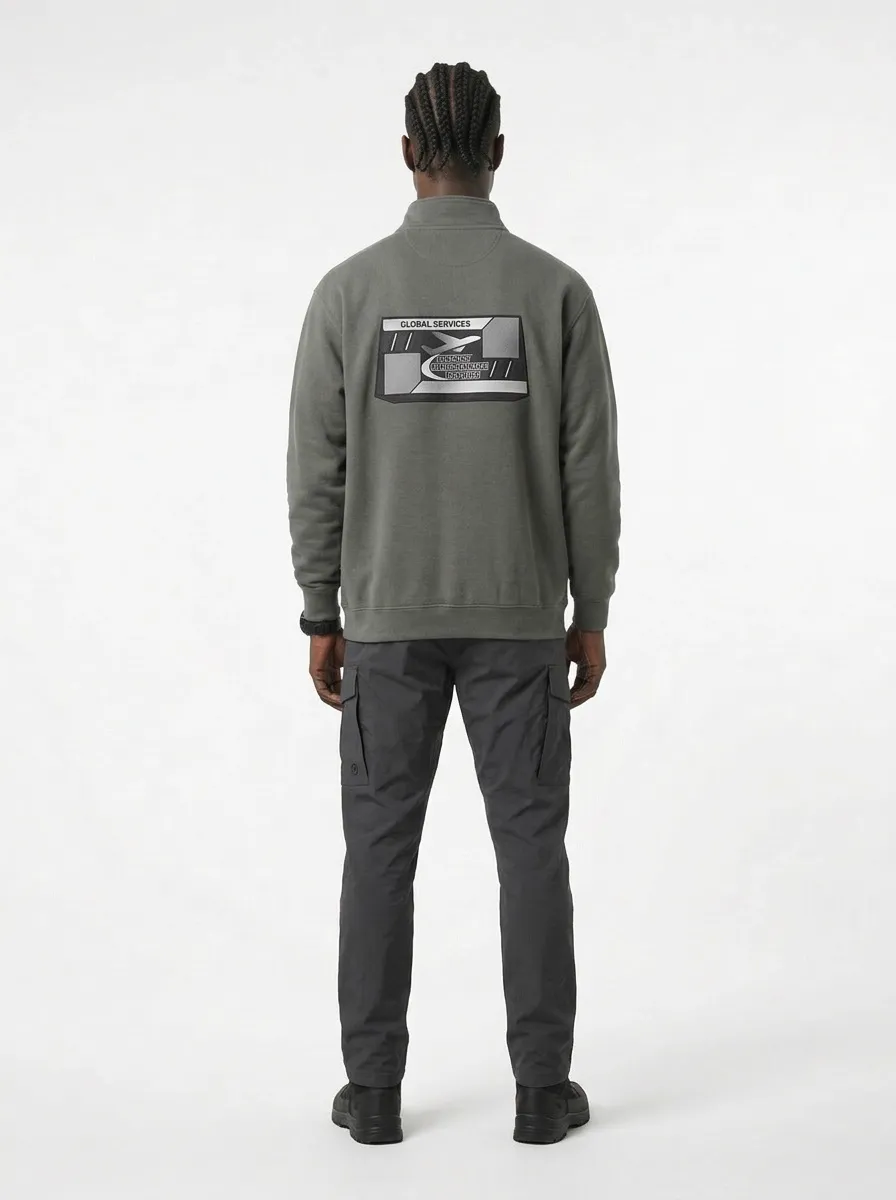
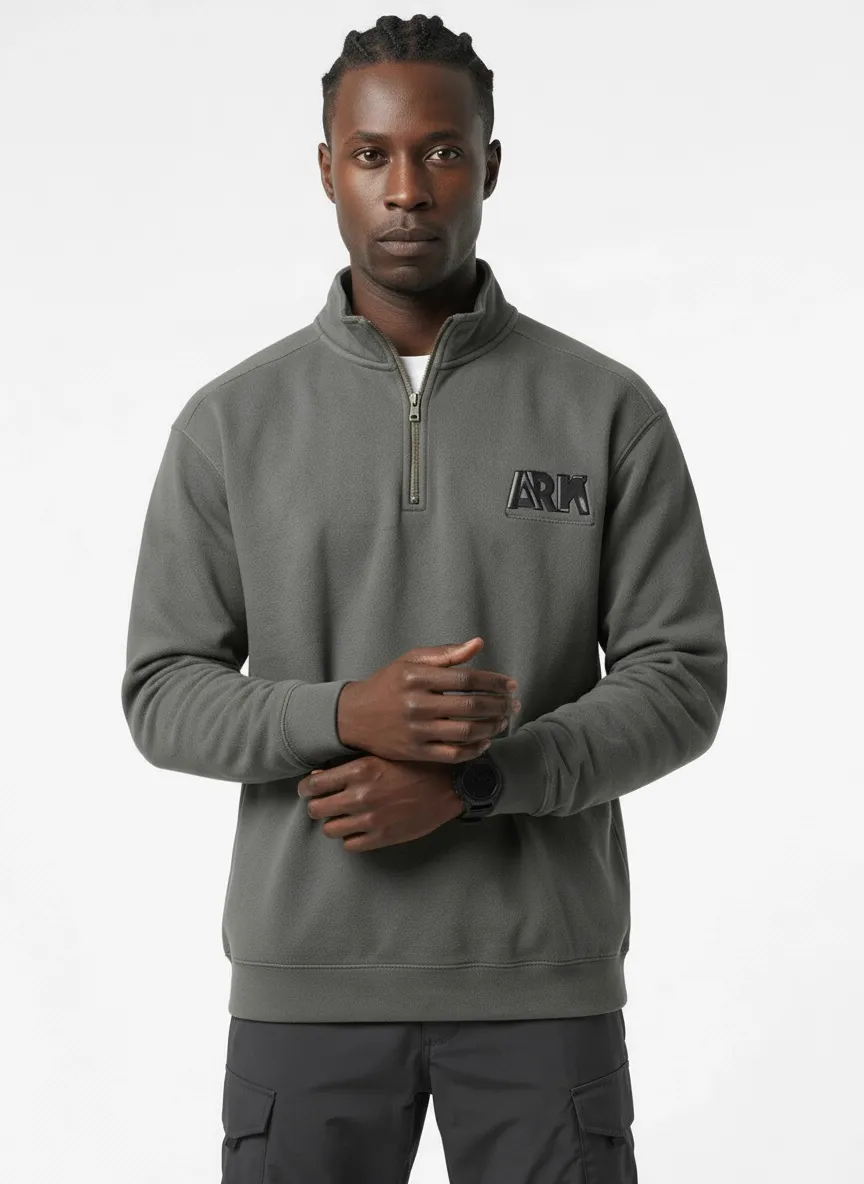
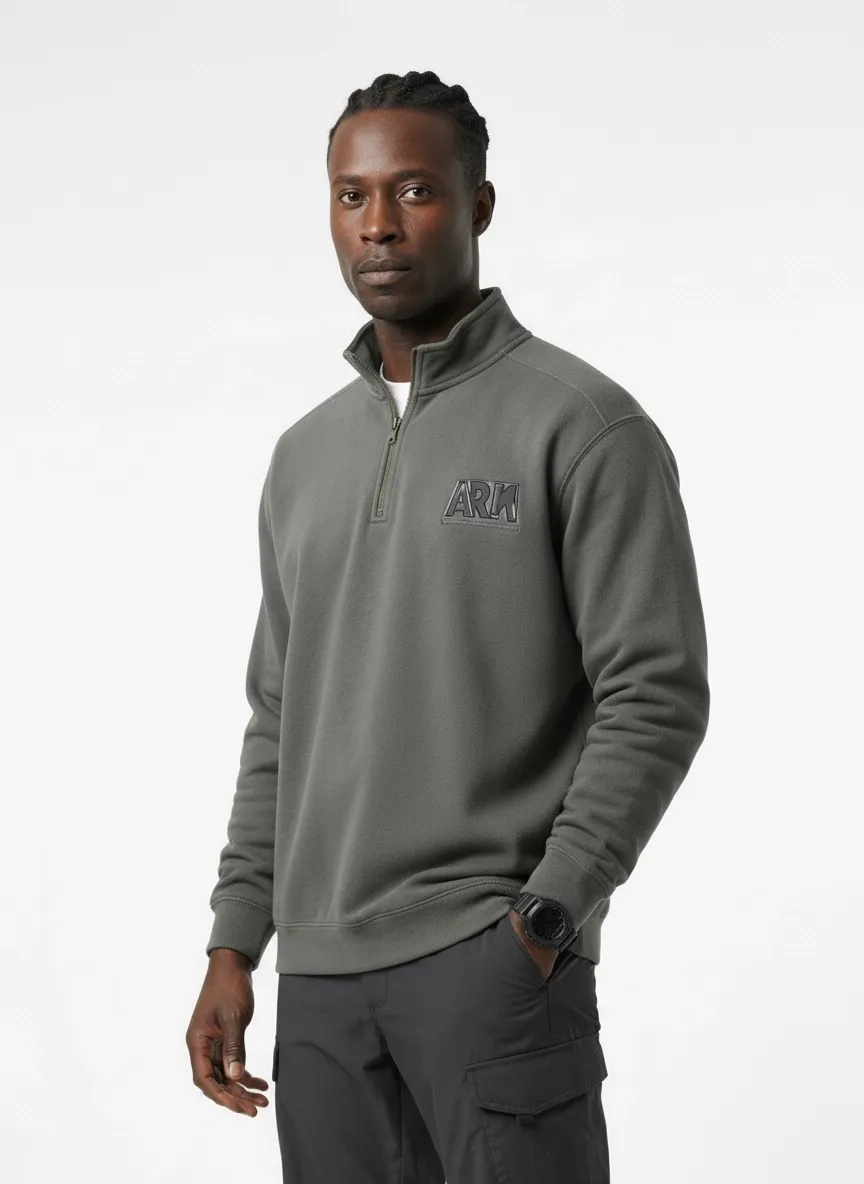
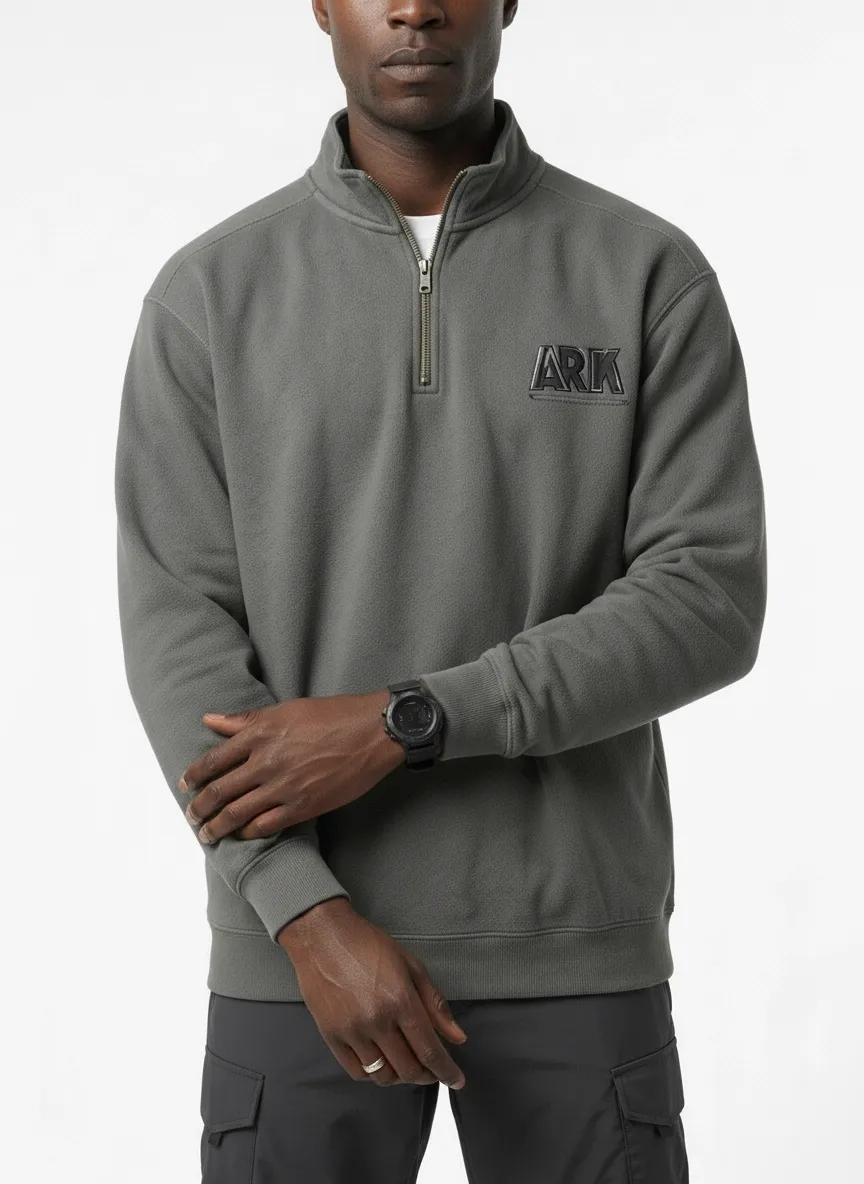
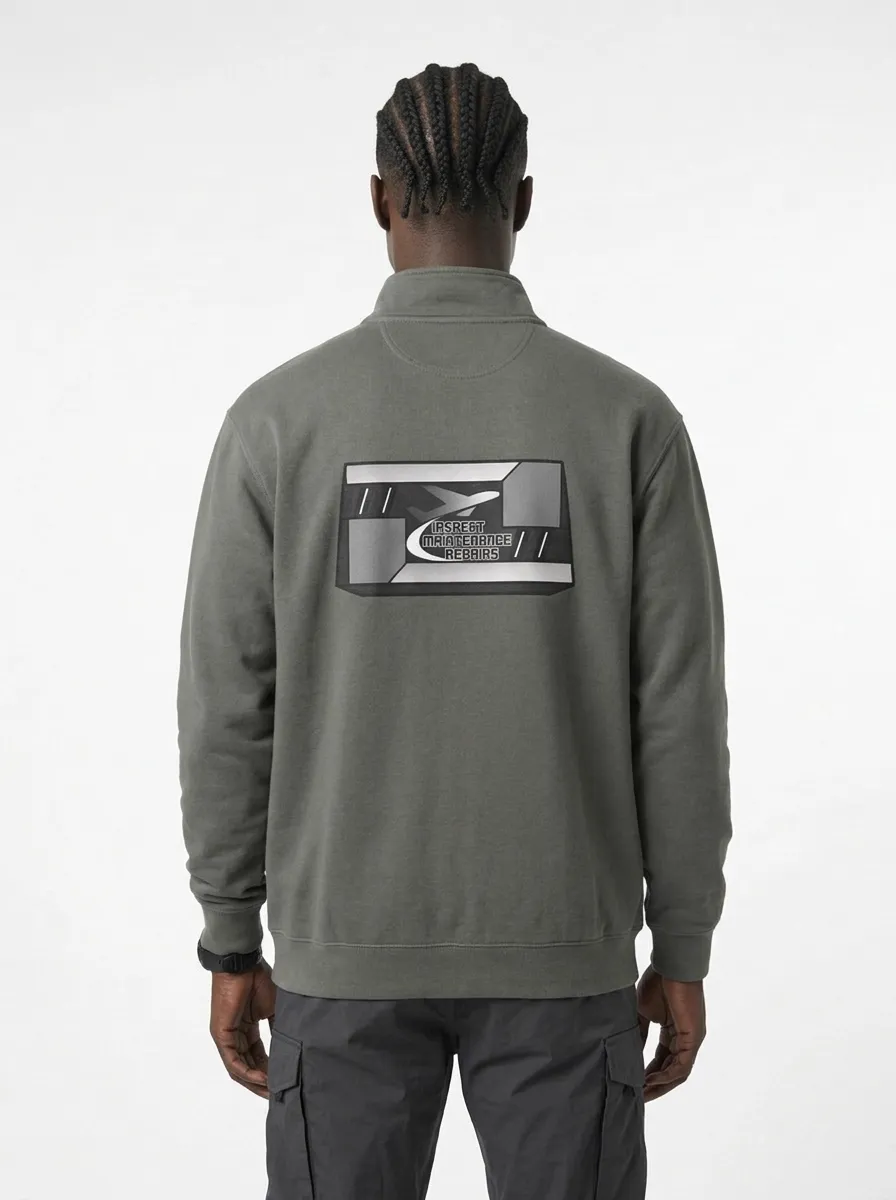
From flat lay to video — fabric weight and drape visible in motion. Read more about video for fashion →
Frequently Asked Questions
Can AI generate realistic male models for menswear?
Yes. AI fashion photography platforms generate realistic on-model images from flat lay, mannequin, or hanger shots. You provide a garment photo and an optional face reference, and the AI produces multiple on-model angles with consistent styling, lighting, and fit.
How many on-model images can AI generate from one flat lay?
Most platforms generate 8 to 10 images per upload. These include front, back, three-quarter, side profile, detail close-up, seated, and lifestyle angles — the same variety a traditional studio shoot would produce.
Can I use the same AI model across my entire catalog?
Yes. Using the same face reference across products creates visual consistency, just like booking one model for a full catalog shoot. You can also use different faces for different collections or demographics.
Does AI work for streetwear, athleisure, and outerwear?
Yes. AI handles graphic tees, hoodies, windbreakers, fleece, tailored pieces, and more. The AI adapts styling, accessories, and poses to match the garment category automatically.
Close the Gap
Menswear ecommerce is growing faster than any other fashion category. But conversion rates haven’t kept up — and the root cause is photography. Flat lays don’t show fit. Ghost mannequins don’t show styling. On-model images do both.
AI male models make on-model photography accessible for catalogs of any size. Four garments, four models, full coverage — from a phone photo to a product page that converts.
The menswear market is growing. The question is whether your product pages are growing with it.
Images and videos in this article were generated using MODA AI. All garment inputs, model references, and outputs shown are illustrative of the platform’s capabilities.