
On December 11, 2025, Governor Kathy Hochul signed New York’s AI disclosure bill into law. It takes effect June 9, 2026. If you’re a fashion brand using AI-generated models in your advertising, this directly affects you.
But here’s the part that most brands are missing: this isn’t just a compliance burden. The data shows that transparent AI disclosure builds trust with consumers. The brands that get ahead of this will turn a legal requirement into a competitive advantage.
What the Law Actually Says
The requirement is straightforward. If your advertisement features a synthetic performer, an AI-generated human figure that looks real but was never a real person, you must disclose that fact. Clearly. Not buried in fine print.
Think: the AI-generated model wearing your new collection in a paid Instagram ad. That counts.
Who has to follow this: brands, agencies, production studios: anyone involved in making the ad. If your agency uses an AI model without telling you, you’re still on the hook. And this applies even if your business is based outside New York, as long as your ads target New York audiences.
What’s not covered: audio-only ads, AI used purely for language translation, and trailers for films or games where the same AI character appears in the actual work.
The fines: $1,000 for a first violation, $5,000 for each one after that.
What the law doesn’t spell out is the exact wording, size, or placement of your disclosure. That’s left to you, which is good news. It means you get to make it sound like your brand, not like a legal footnote.
What Counts as a “Synthetic Performer”?
This is where it gets relevant for anyone using AI fashion photography platforms. A synthetic performer is any AI-generated human figure designed to look like a real person. If you’re converting flat-lay product photos into on-model imagery using AI, those AI models are synthetic performers.
Here’s what that workflow looks like in practice:
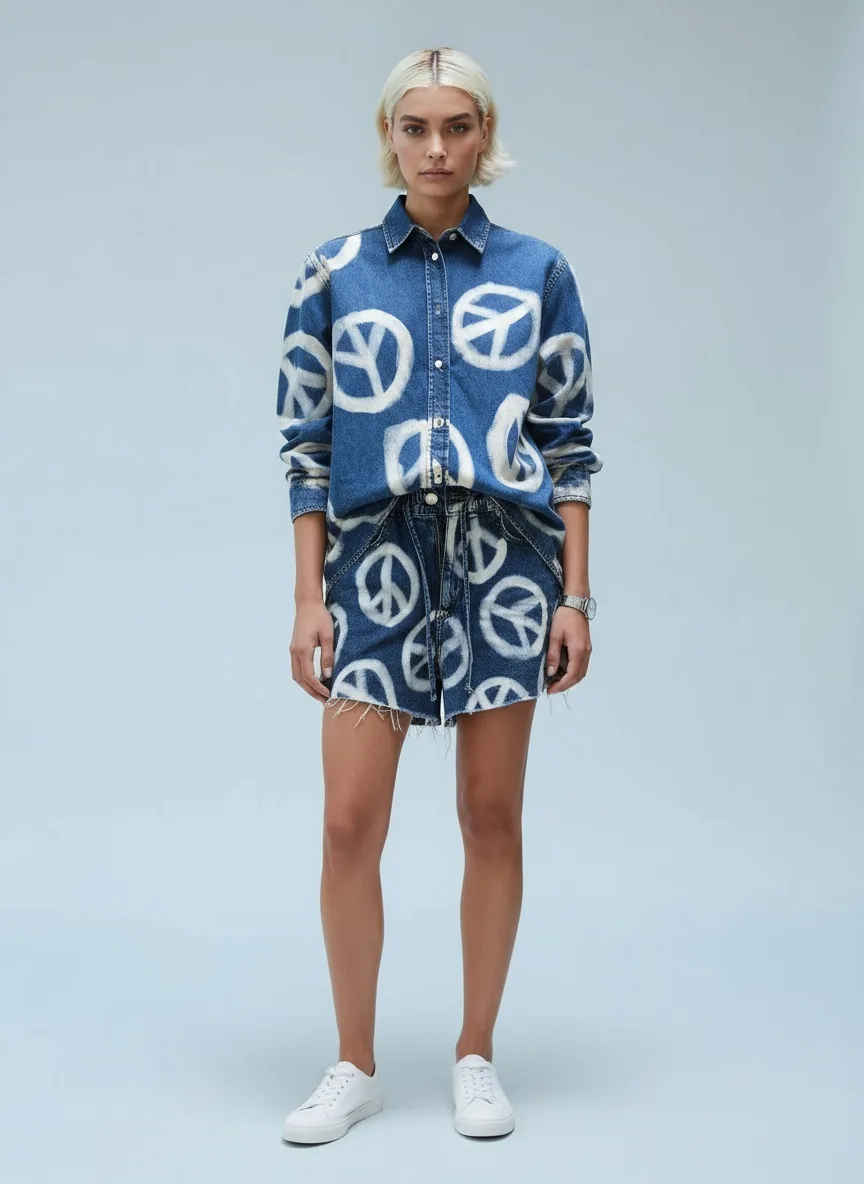
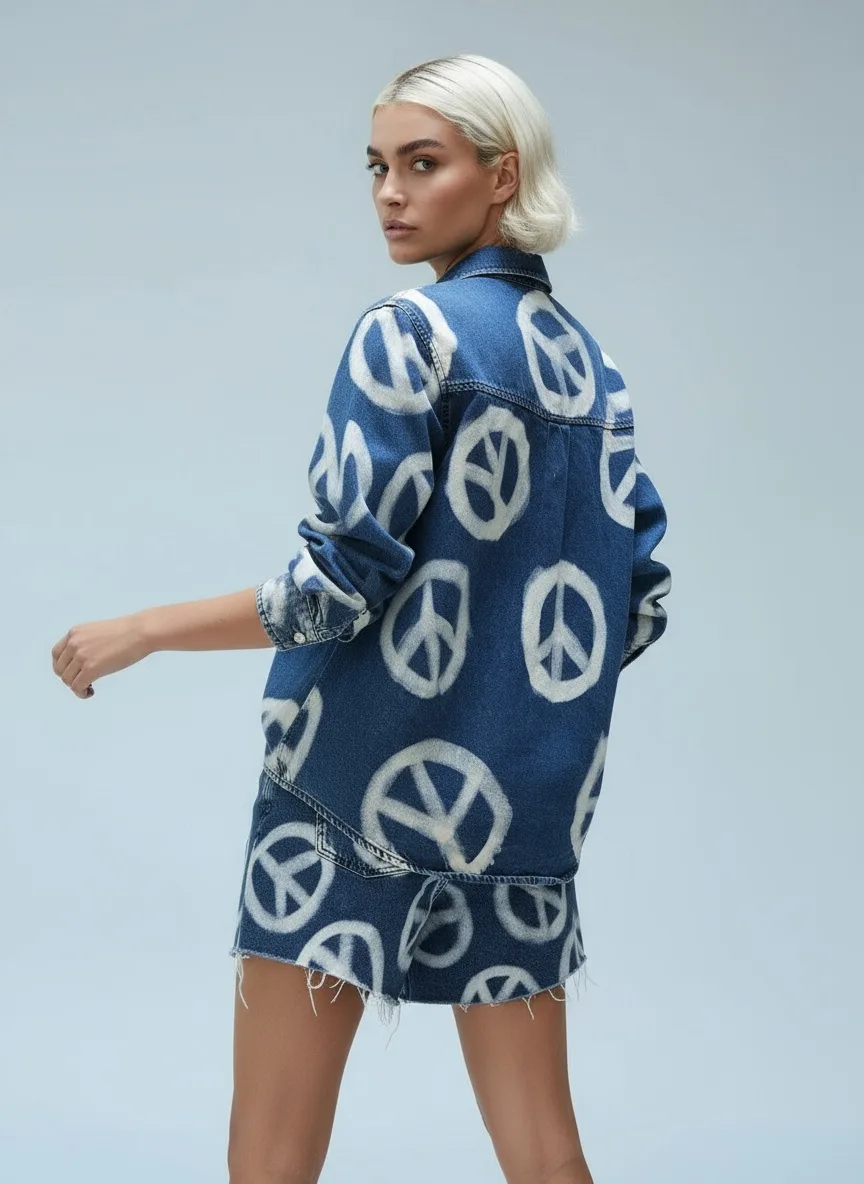
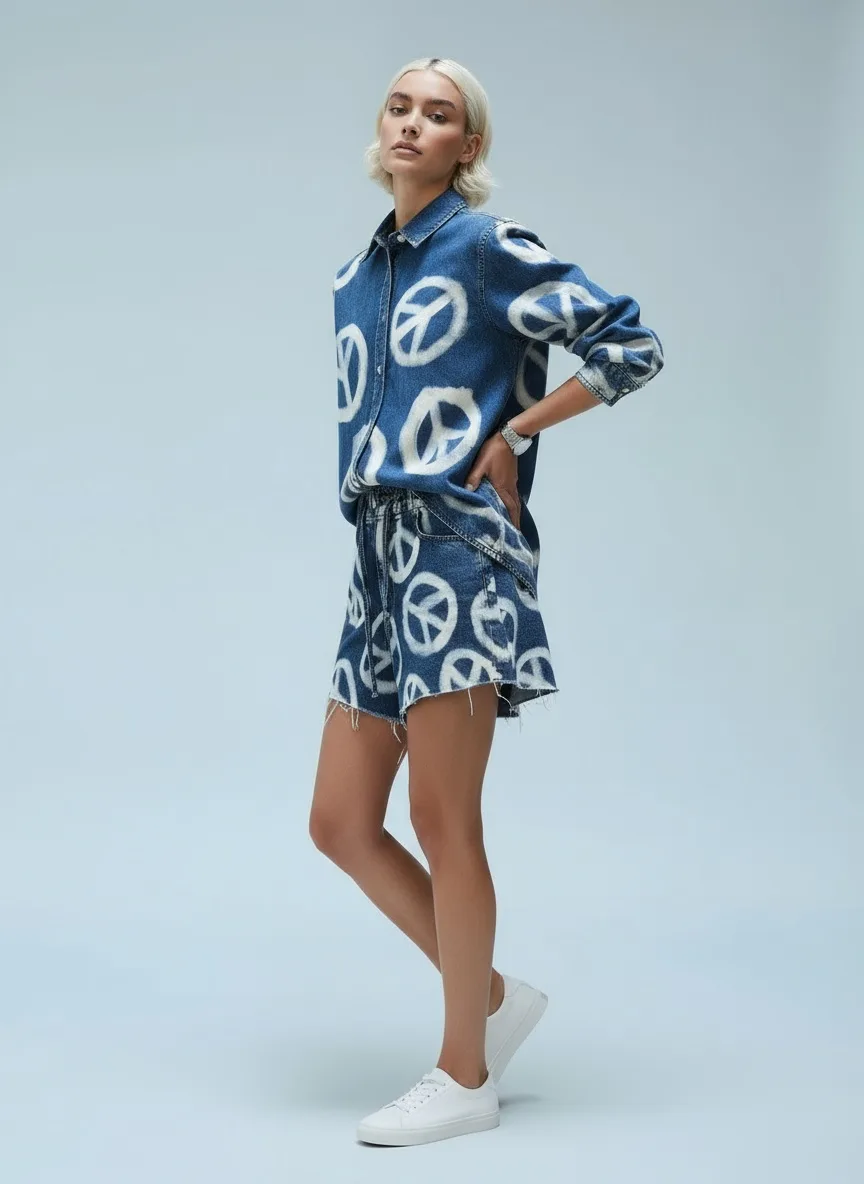
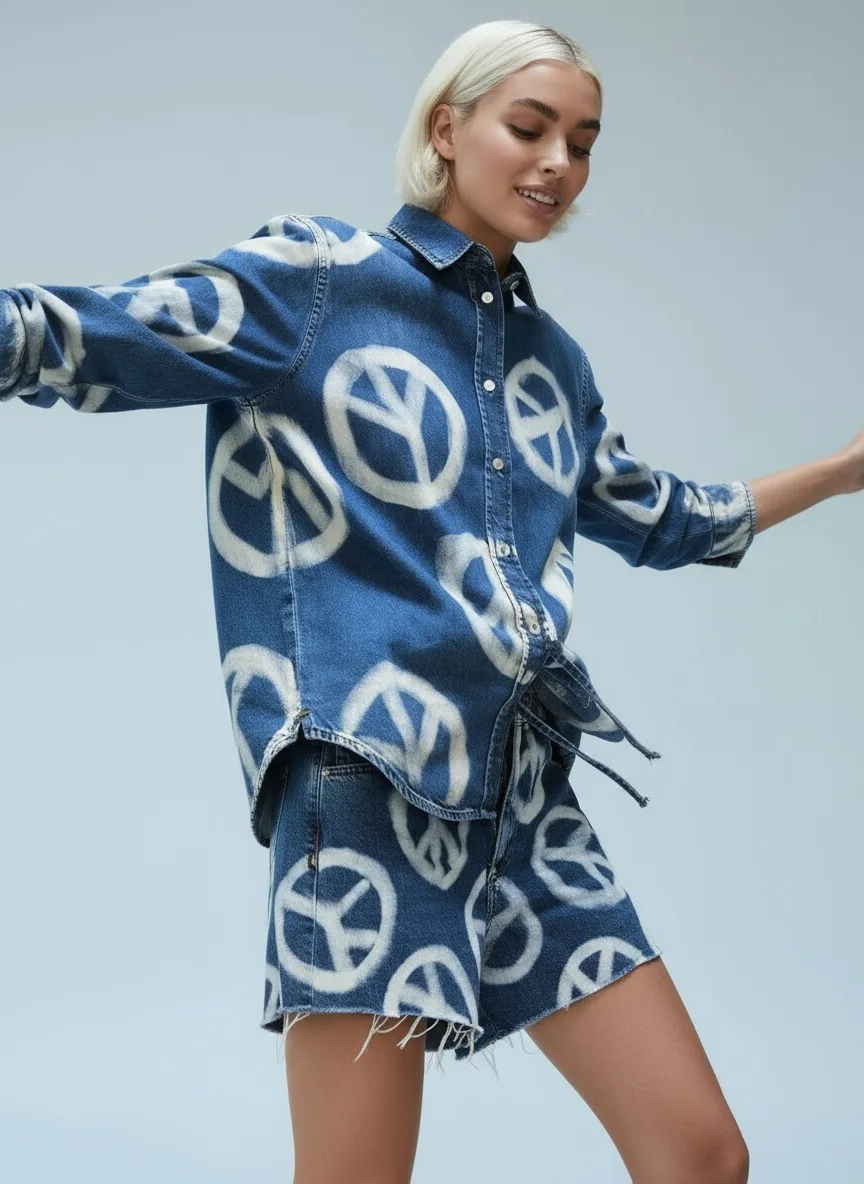
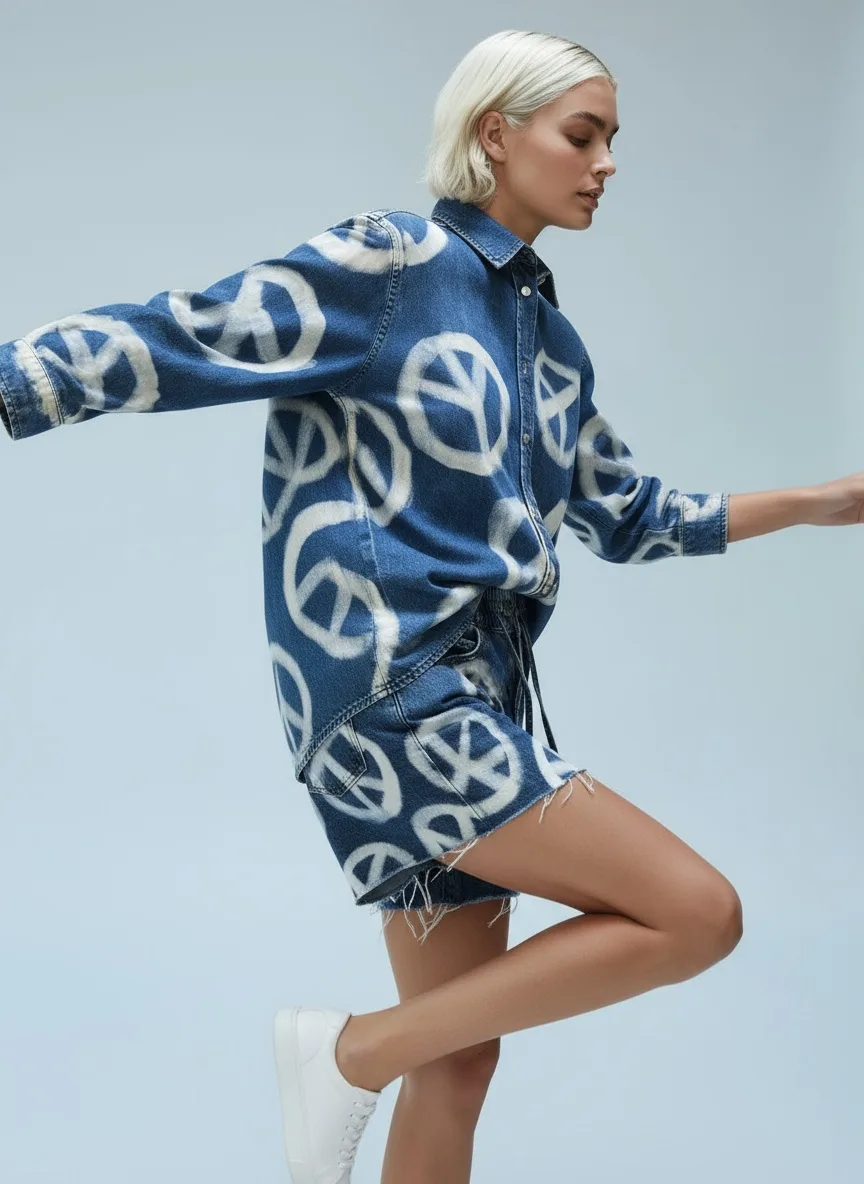
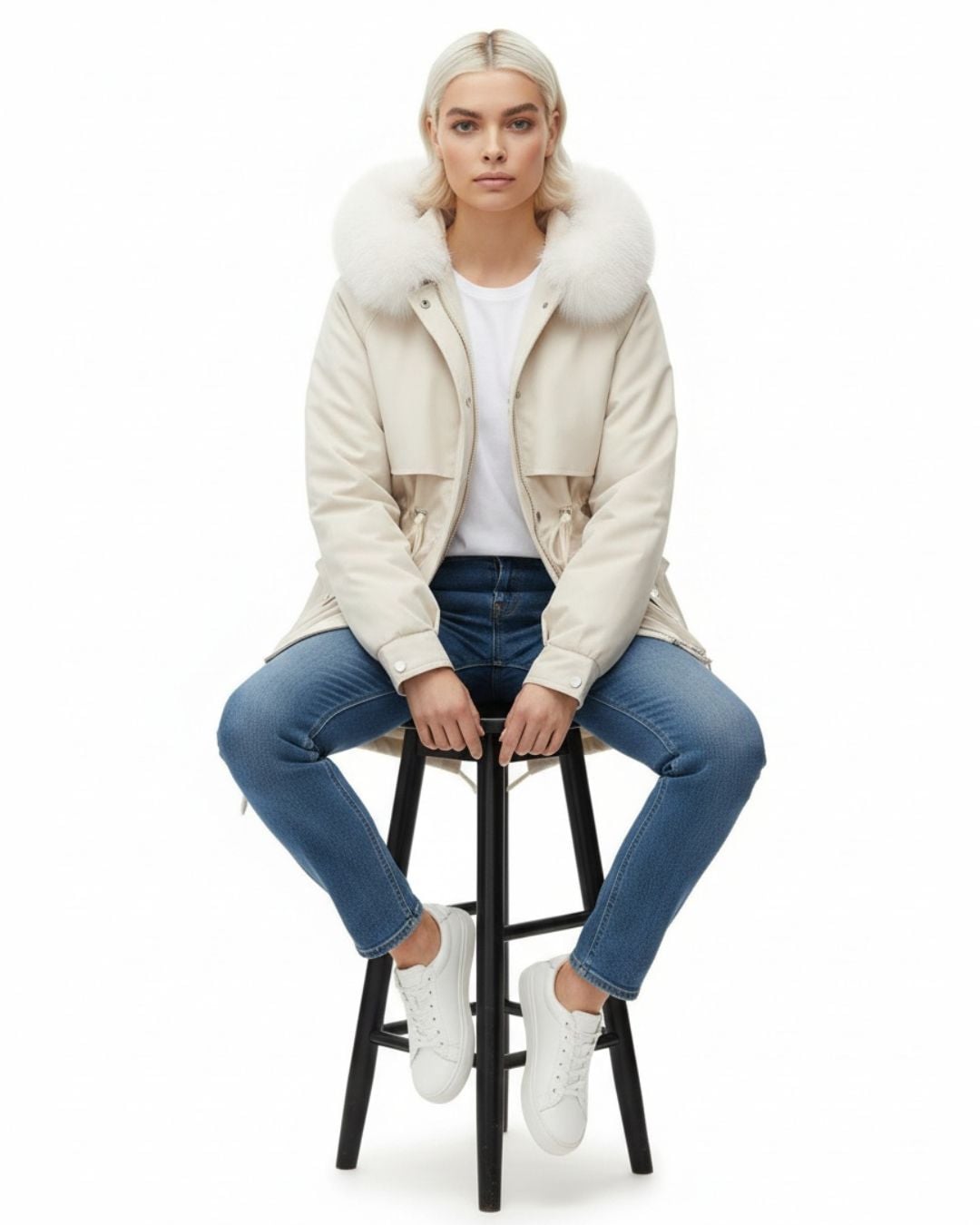
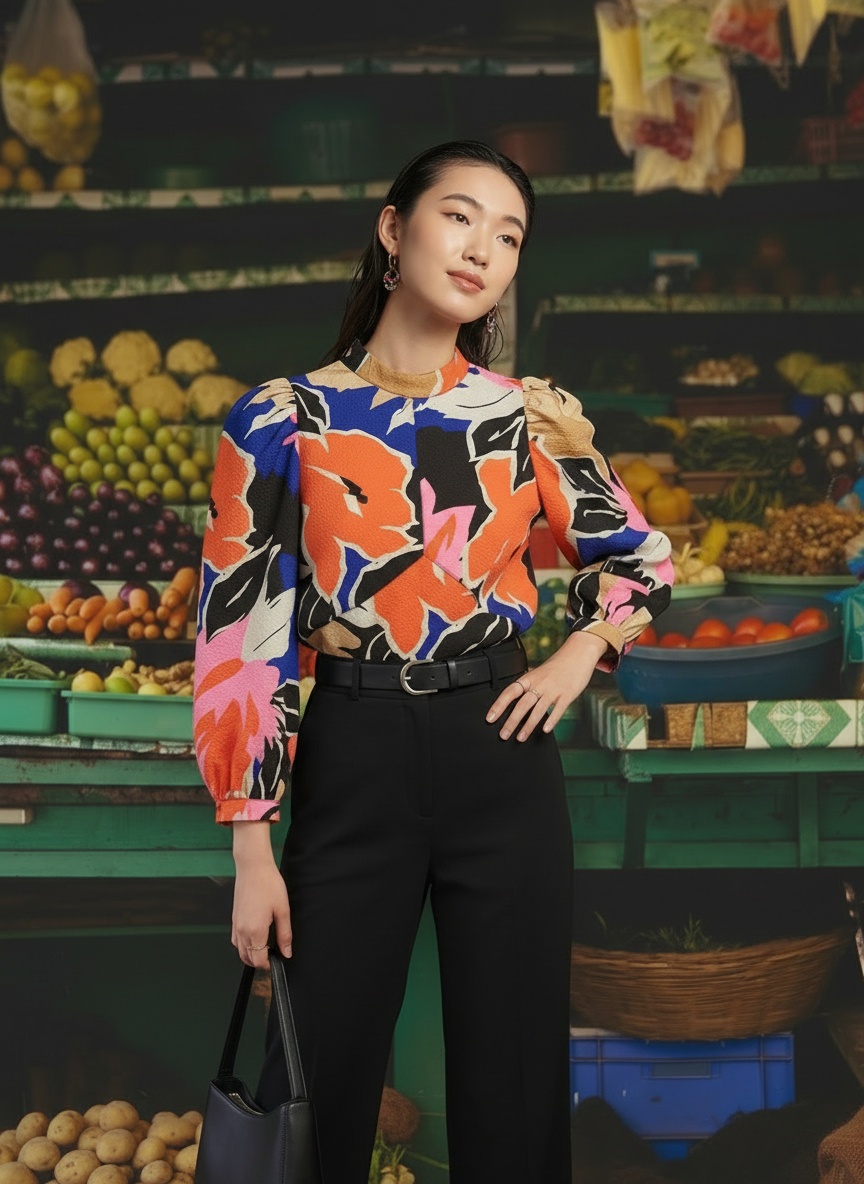
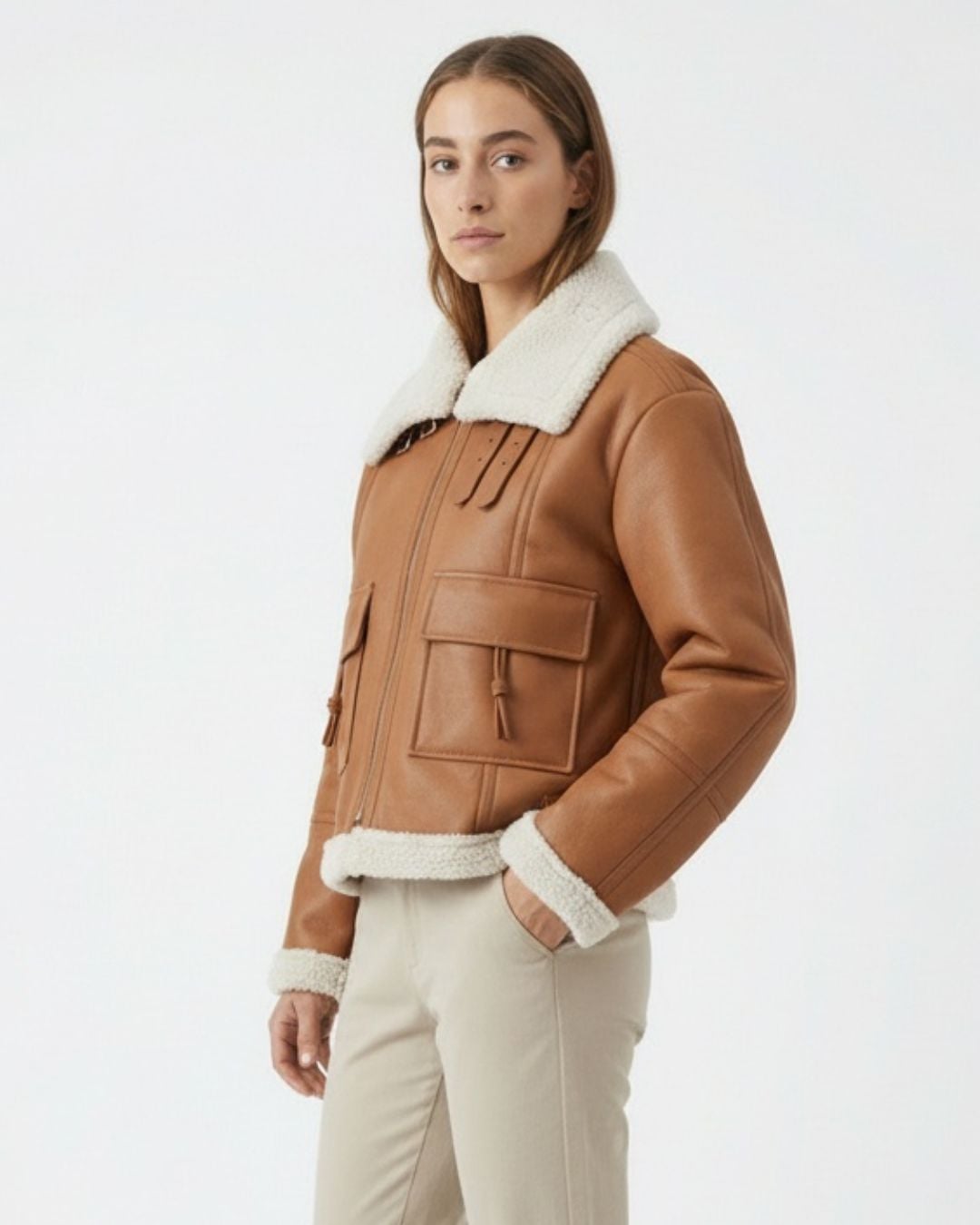
AI-generated model images from a single garment upload — each of these is a “synthetic performer” under the new law
The AI-generated figures in those outputs are what New York’s law considers synthetic performers. When those images appear in paid advertisements, disclosure is required.
Product Pages vs. Paid Ads: Where Does It Apply?
This distinction matters. The law specifically targets advertisements.
Product pages sit in a gray area. Standard e-commerce product listings aren’t straightforwardly classified as “ads” under the statute. But that distinction deserves legal review specific to your business — enforcement interpretation will develop over time.
Paid social is clearly in scope. Instagram, Meta, TikTok, Pinterest. If you’re running paid placements with AI-generated models targeting New York, you need a disclosure.
Your agency relationship needs updating. The law applies to whoever produces or creates the ad. If your production partner makes choices you’re unaware of, that’s still your problem. Update vendor contracts before June.
96% Trust Lift: Why AI Disclosure Works
96%
lift in overall trust
when consumers see an AI disclosure label on ads — Yahoo & Publicis Media study
A Yahoo and Publicis Media study tested what happens when AI-generated ads include a disclosure label. The result: a 96% lift in overall trust for the company. Not from a rebrand. Not from a new campaign. From a simple label that says: we used AI here.
Meanwhile, 72% of consumers say AI makes it hard to know what’s real anymore. And 61% already assume brands are using AI in their ads — they just can’t tell where. People aren’t surprised by AI. They’re waiting to see who’s honest about it.
Aerie figured this out before any law required it. In October 2025, they publicly pledged to keep their ads free of AI-generated bodies. That single post became their most-liked Instagram post of the year, and non-reel engagement jumped 75% in the two weeks that followed. The lesson isn’t “avoid AI.” The lesson is: when you’re clear about your creative choices, people respond.
Why AI Disclosure Is Good for Business
AI fashion photography works. The business case is strong enough to defend publicly. Which means disclosure doesn’t have to be defensive; it can be confident.
A Stylitics survey of real shoppers found 71% of consumers can’t tell the difference between real and AI-generated fashion images when shown side-by-side. Those same shoppers (59% of them) say they want clear labeling when AI is used. Strong results, honest shoppers. That combination is your argument for disclosure as a brand asset.
On the economics: traditional on-model photography runs $2,000–$10,000 per session minimum. AI platforms deliver comparable quality at 80–90% lower cost with unlimited variations. And when your platform offers a diverse roster of AI models across ethnicities, ages, and body types, disclosure becomes a chance to talk about representation:
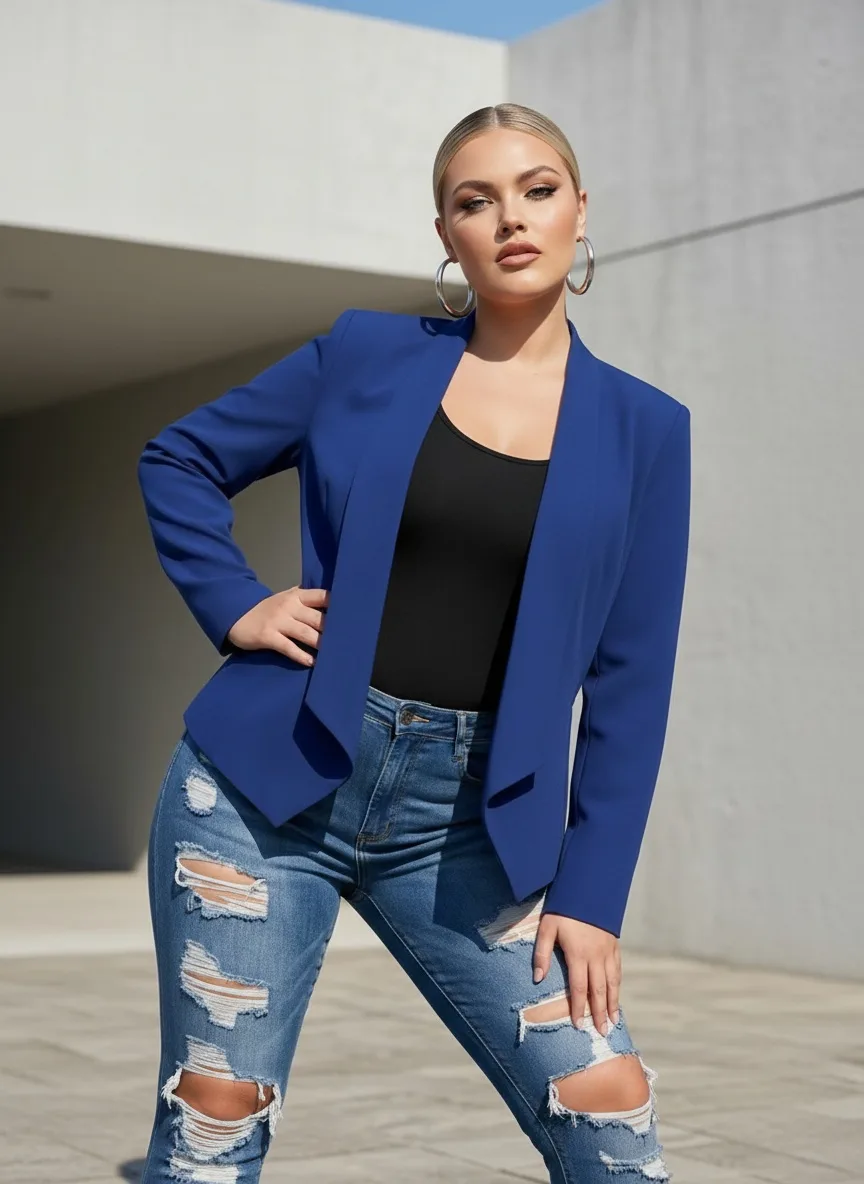
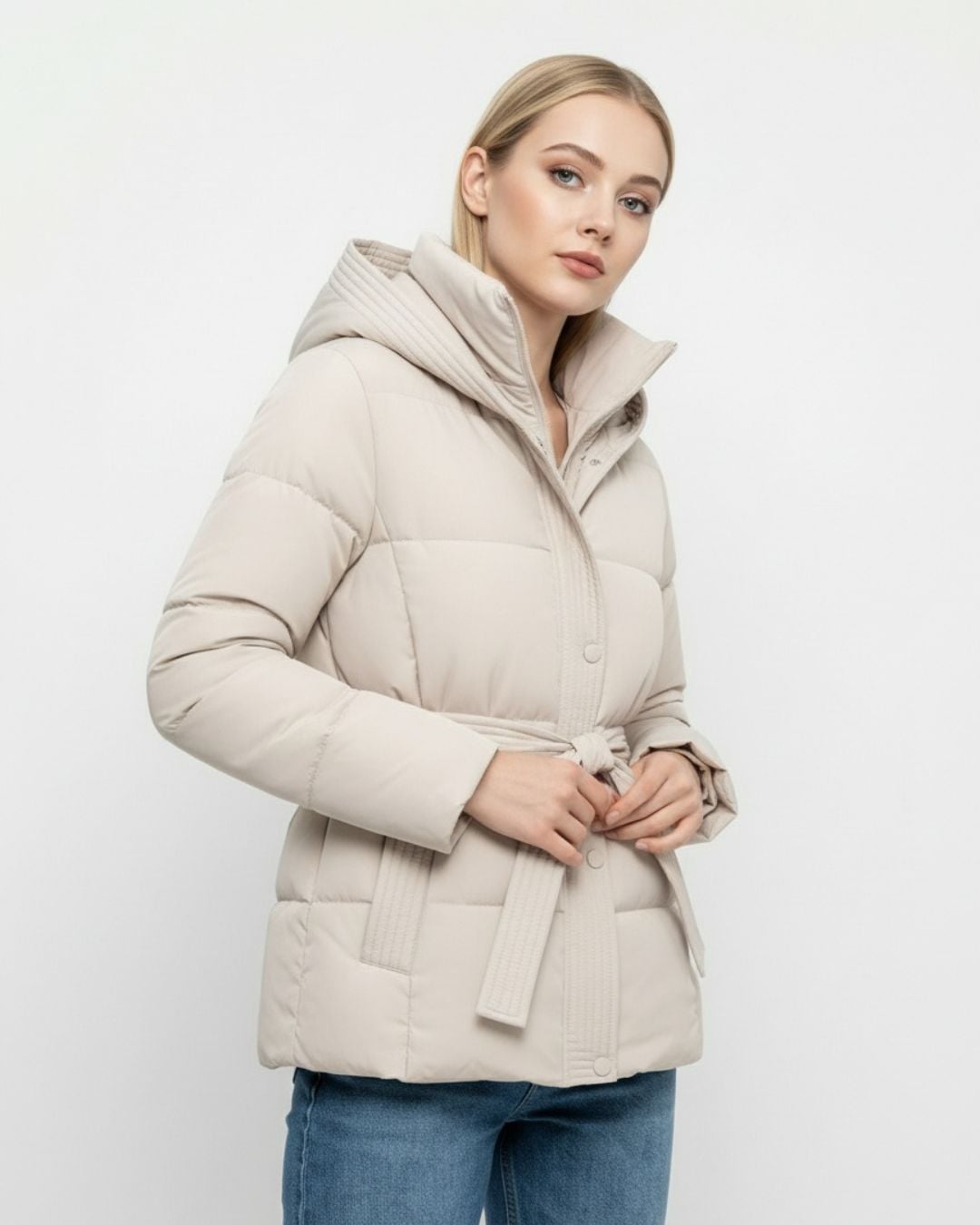
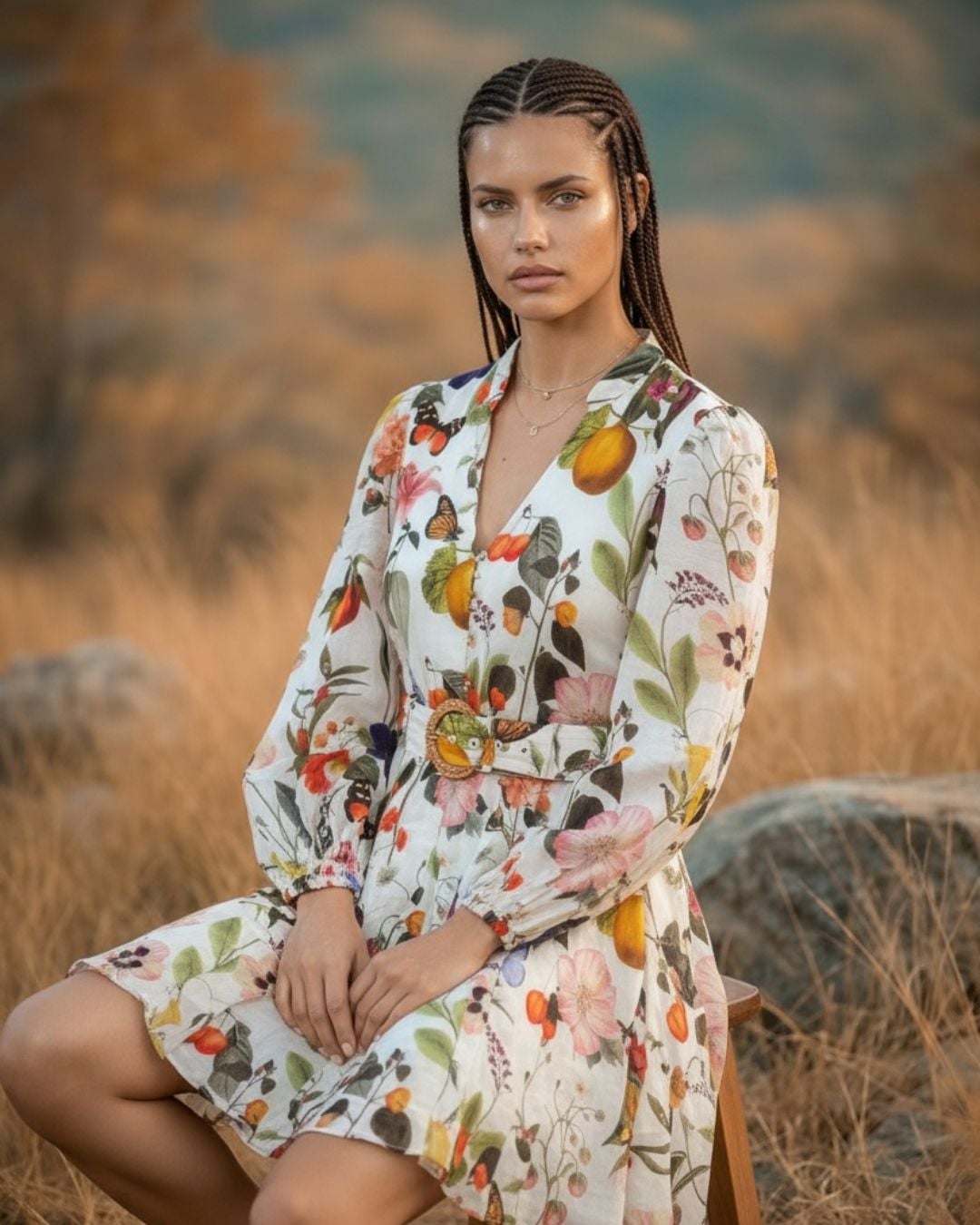
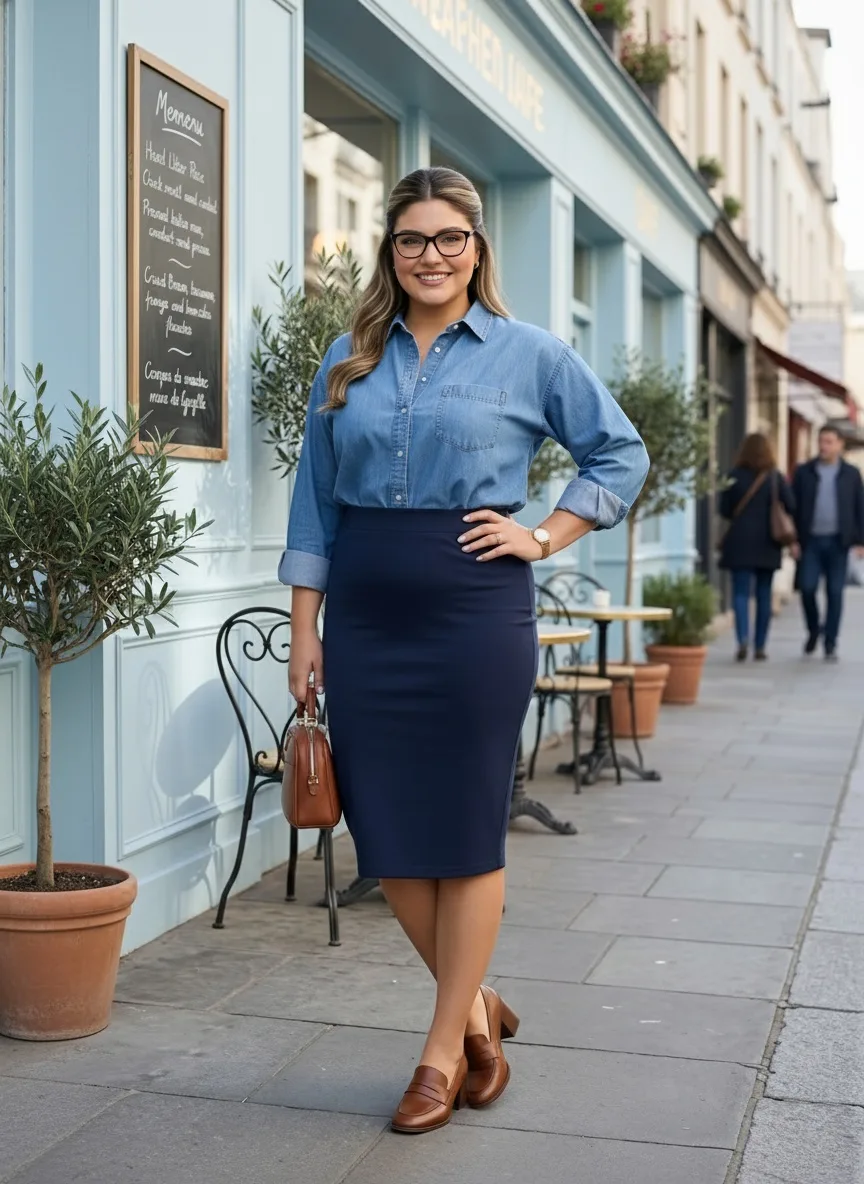
AI-generated catalog photos from real MODA AI brands — diverse styles, body types, and settings. Browse all models →
“We use AI models to represent every body type in our community” is a disclosure and a mission statement at the same time. 76% of consumers say they’d switch to a brand that demonstrated genuine AI transparency.
Brands That Got It Right
Levi’s was one of the first major brands to use AI-generated models to show their jeans across diverse body types. They talked about it openly. Their loyalty program reached 5 million members. Disclosing didn’t undermine their results; it contextualized them honestly.
ASOS has been deploying AI-driven visual search across its product pages for years. Stitch Fix built its entire personalization model on AI-driven product matching and named the technology publicly as a brand feature. Tommy Hilfiger made AI involvement the story during Metaverse Fashion Week. In every case, transparency became the interesting part.


Real results from brands using MODA AI — studio and editorial quality from flat-lay uploads. See all case studies →
How to Make Disclosure Work for Your Brand
The law says “conspicuous.” It doesn’t say corporate. Here’s how to approach it:
Write something specific. “AI-assisted imagery” or “Created with AI-generated models” tells consumers something real. Vague fine print does the opposite.
Connect it to your values. If your AI strategy includes showing diverse body types that traditional photoshoots often miss, say that. The disclosure becomes a values statement.
Be consistent. One disclosure on one campaign doesn’t build trust. Doing it across every AI-generated piece of content, every time, does. Consistency is what turns a label into a brand signal.
Test the language. You have until June 2026. A/B test how different phrasings land with your audience. Use the runway.
New York Is First. It Won’t Be Last.
The EU AI Act’s transparency rules for synthetic media take effect in August 2026. The UK Advertising Standards Authority issued guidance in May 2025 requiring disclosure when AI use could mislead consumers. The FTC has already confirmed AI-generated content falls under existing consumer-protection rules.
Everyone is moving in the same direction. The only question is whether you get ahead of it or get caught scrambling.
73% of fashion executives now prioritize generative AI. 62% of fashion businesses already use it in their workflow, according to McKinsey and Business of Fashion research. AI photography workflows are rapidly becoming standard practice, not an edge case.
Brands building these workflows today have one advantage: they can bake disclosure in from the start. That’s much easier than retrofitting it later when you have 500 existing ads and no policy.
Six Things to Do Before June 2026
Audit your active creative.
Find every ad running in New York — or nationally — that includes an AI-generated human figure. Know what you have before June.
Update agency and vendor contracts.
Add clauses requiring notification when synthetic models are used, and clarify who holds disclosure responsibility.
Draft your disclosure language now.
Don't leave this for May. Get the exact wording, placement, and format decided — and reviewed by legal counsel.
Brief your full marketing team.
Everyone creating or approving ad creative — internal and external — needs to understand when and how the rule applies.
Build an AI content policy.
Document when and how AI imagery is used across your brand. If you don't have this, build it now.
Watch federal developments.
The Commerce Department is expected to evaluate state AI laws. Plan for compliance either way — the direction is clear.
Frequently Asked Questions
When does the New York AI disclosure law take effect?
The law takes effect on June 9, 2026. It was signed by Governor Kathy Hochul on December 11, 2025.
Do AI-generated fashion model photos on product pages require disclosure?
The law targets advertisements specifically. Standard e-commerce product pages are not straightforwardly classified as ads under the statute. However, paid social media placements featuring AI-generated models targeting New York audiences clearly require disclosure.
What are the fines for non-compliance?
$1,000 for a first violation and $5,000 for each subsequent violation. The law applies to brands, agencies, and production studios involved in creating the advertisement.
Does this apply to brands outside New York?
Yes. If your advertisement targets New York audiences or runs in New York, you must comply regardless of where your business is based.
The Bottom Line
The label isn’t the risk. Hiding is.
New York’s law sets a floor. The brands that will benefit from this moment aren’t the ones just meeting the minimum. They’re the ones using it as a reason to communicate clearly with their customers.
AI fashion photography isn’t going anywhere. The cost savings, the speed, the ability to show diverse representation at scale. These are real and they’re growing. The brands that combine those advantages with honest, confident disclosure will build something that generic image generation never could: actual trust.
The label isn’t a warning. In the hands of a smart brand, it’s a statement.
This article is for informational purposes only and does not constitute legal advice. Consult qualified legal counsel for compliance guidance specific to your business.